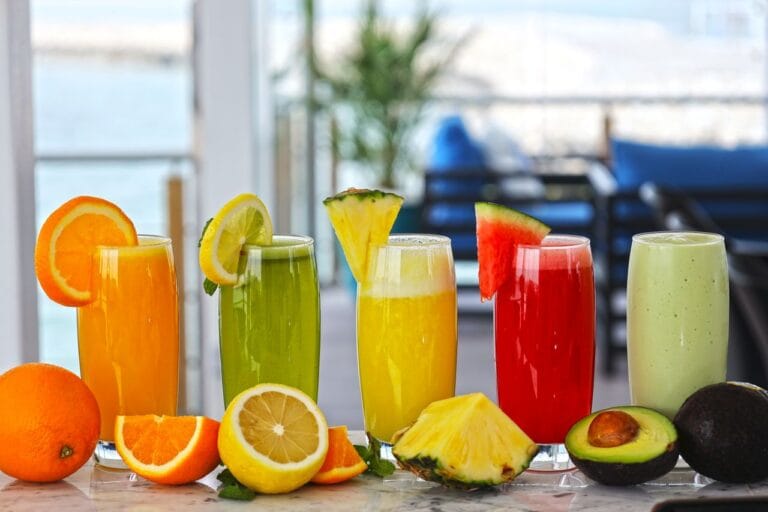
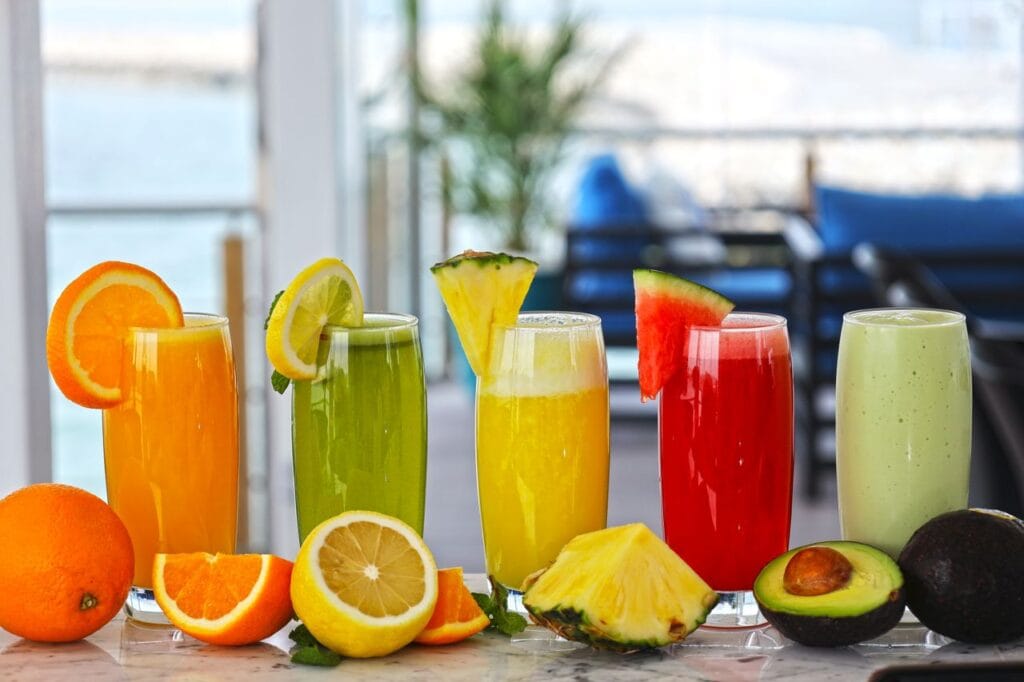
If you are searching for a 5 fasting juice recipe guide, you may be interested in simple, fresh juice combinations that fit into an intentional period of fasting. Whether your motivation is spiritual reflection, simplicity, or a temporary break from regular eating, choosing nourishing ingredients and approaching the experience mindfully can make the practice more meaningful.
Fasting has appeared in spiritual and religious traditions for centuries. For many people, it creates an opportunity to step away from ordinary routines, become more attentive to the present moment, and make space for prayer, meditation, contemplation, or personal reflection.
Juice can be part of some fasting approaches, but a juice-only fast is not nutritionally complete and is not appropriate for everyone. If you have a medical condition, take medication, are pregnant or breastfeeding, have a history of disordered eating, or are unsure whether fasting is appropriate for you, speak with a qualified healthcare professional before beginning.
With that in mind, here are five simple juice combinations to explore alongside a thoughtful and intentional approach to fasting.
What Is Juice Fasting?
Juice fasting is a form of fasting in which a person temporarily limits food intake while consuming juices made primarily from fruits and vegetables. Unlike a water-only fast, juice fasting provides calories and carbohydrates from the produce used to make the juice.
There is no single definition of juice fasting. Some people use fresh juice as part of a short-term dietary practice, while others connect fasting with spiritual disciplines such as prayer, meditation, silence, or contemplation.
It is important to distinguish between spiritual fasting and making health promises about fasting. The spiritual value of fasting can come from intention, discipline, awareness, and reflection rather than from claims that fasting removes toxins or cures disease.
For someone approaching fasting spiritually, the question may be less about “What can I get from this?” and more about “What am I making space for?”
5 Fasting Juice Recipe Ideas
These recipes emphasize fresh produce and relatively simple ingredient combinations. You can adjust quantities according to taste and the capacity of your juicer.
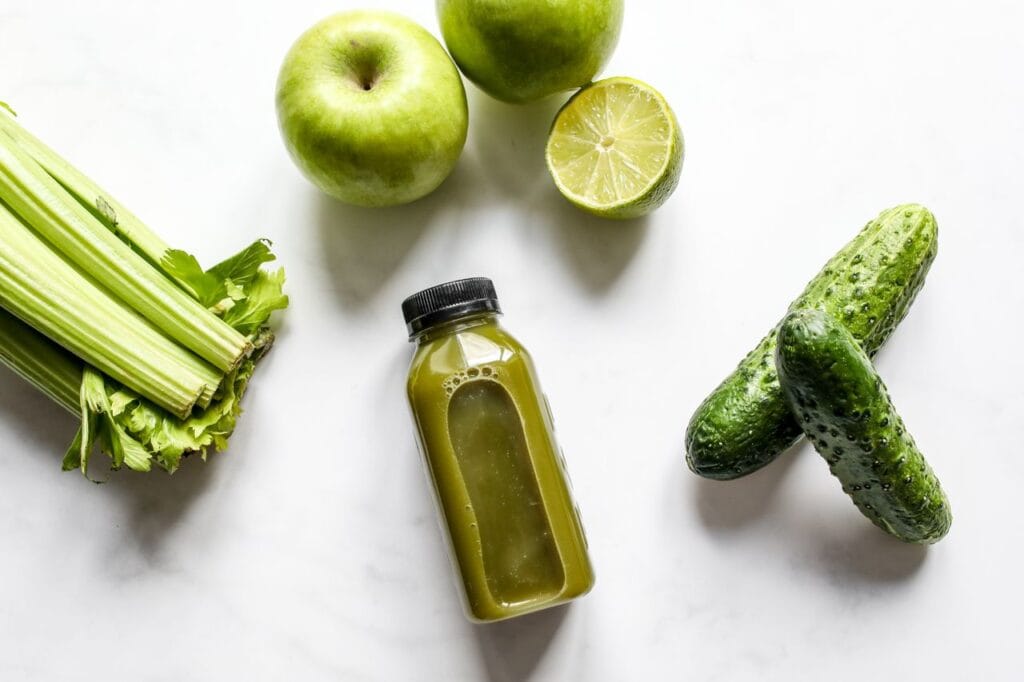
1. Green Cucumber, Celery and Apple Juice
This refreshing green juice combines hydrating cucumber and celery with apple for natural sweetness.
Ingredients:
- 1 cucumber
- 2 celery stalks
- 1 green apple
- A handful of fresh spinach
- ½ lemon, peeled
- Small piece of fresh ginger
Method:
Wash all ingredients thoroughly. Cut larger ingredients into pieces suitable for your juicer. Juice everything together and serve immediately.
Why people enjoy it:
The cucumber and celery create a light, refreshing base, while apple and lemon add brightness. Ginger provides a naturally spicy note.
For a more mindful experience, drink it slowly rather than consuming it while distracted by your phone, television, or other activities.
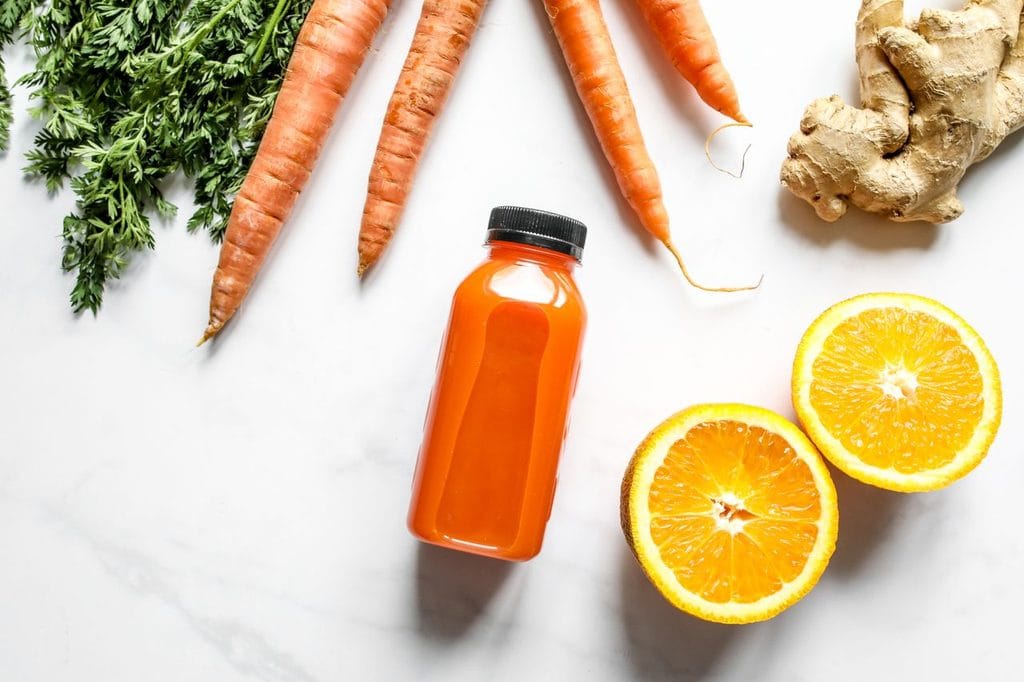
2. Carrot, Orange and Ginger Juice
This vibrant combination brings together carrots, orange, and ginger for a naturally sweet and citrus-forward drink.
Ingredients:
- 3–4 carrots
- 1 orange, peeled
- ½ lemon, peeled
- Small piece of fresh ginger
- ½ apple, optional
Method:
Prepare the produce and juice the ingredients together. Stir before serving.
Mindful practice:
Before drinking, pause for a moment and notice the color, aroma, temperature, and flavor. Taking a few quiet breaths can turn an ordinary drink into a small moment of awareness.
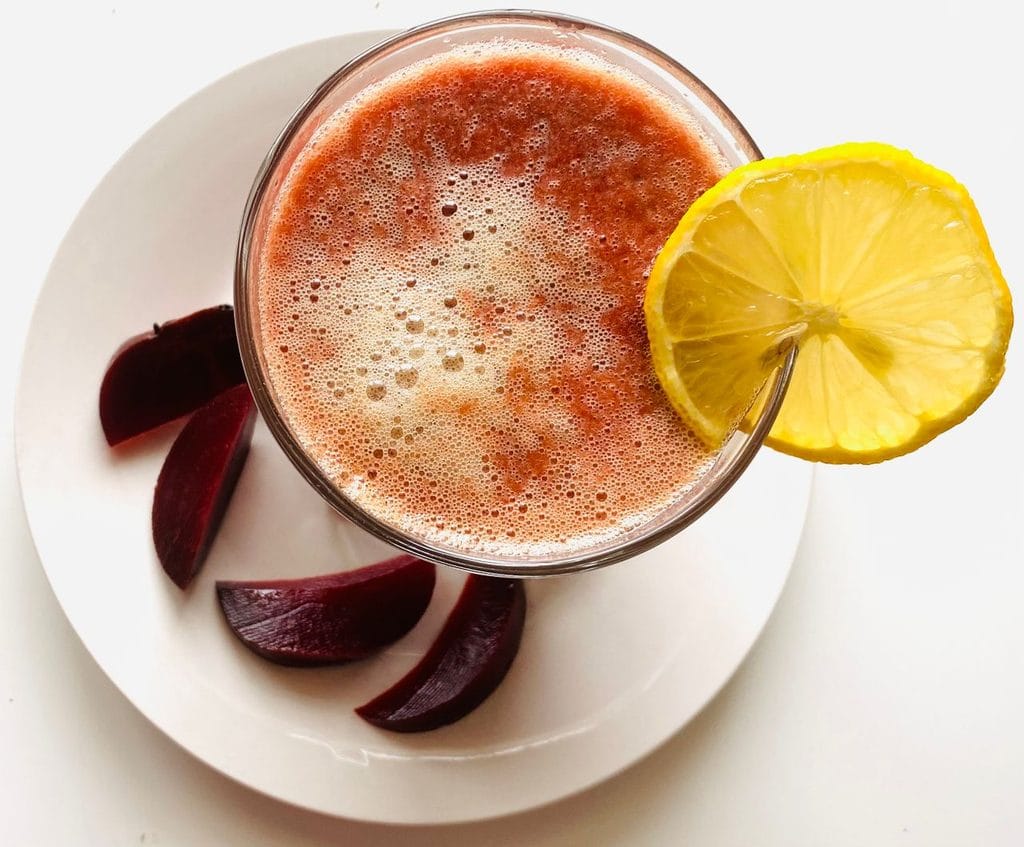
3. Beet, Apple and Lemon Juice
Beets create a naturally deep color and earthy flavor, while apple and lemon provide sweetness and acidity.
Ingredients:
- 1 small beet
- 1–2 apples
- ½ lemon, peeled
- 2 carrots
- Small piece of ginger, optional
Method:
Wash the produce carefully and cut it into pieces. Juice the ingredients according to your juicer’s instructions.
A practical note:
Beets have a strong flavor, so start with a smaller amount if you are new to fresh beet juice. The apple and lemon can help balance the earthy taste.
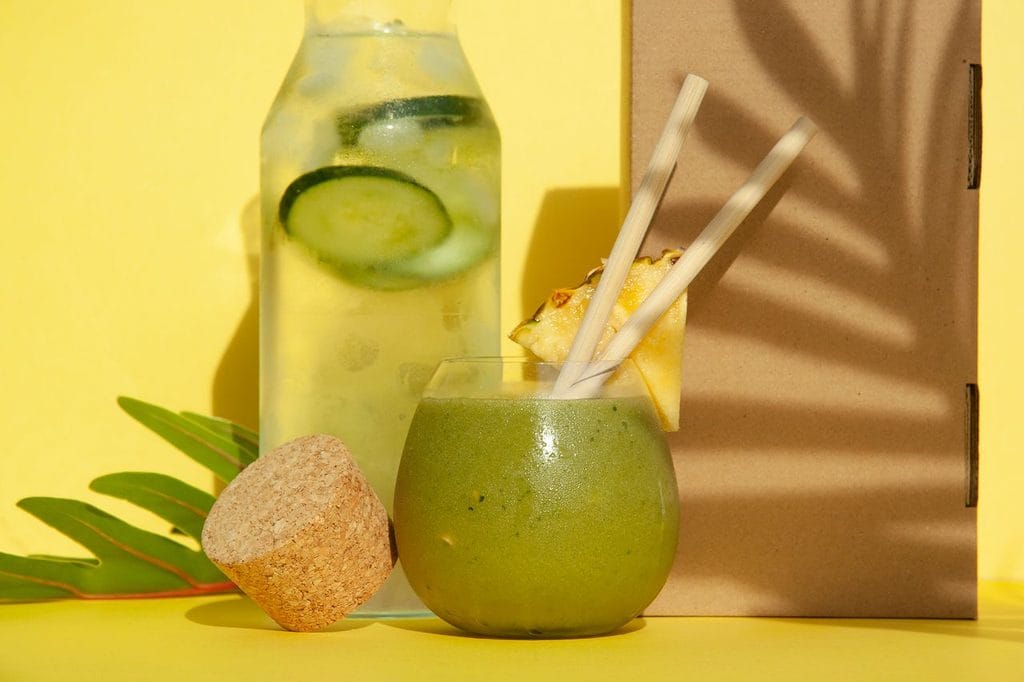
4. Pineapple, Cucumber and Mint Juice
For something lighter and more tropical, try combining pineapple with cucumber and fresh mint.
Ingredients:
- 1–2 cups pineapple
- 1 cucumber
- A few fresh mint leaves
- ½ lime, peeled
- Small piece of ginger, optional
Method:
Juice the pineapple, cucumber, lime, and ginger. Add the mint according to your preferred flavor. If your juicer does not process mint effectively, blend the mint with a small amount of juice and strain it.
This recipe can be particularly appealing when you want a refreshing flavor without relying entirely on vegetables.
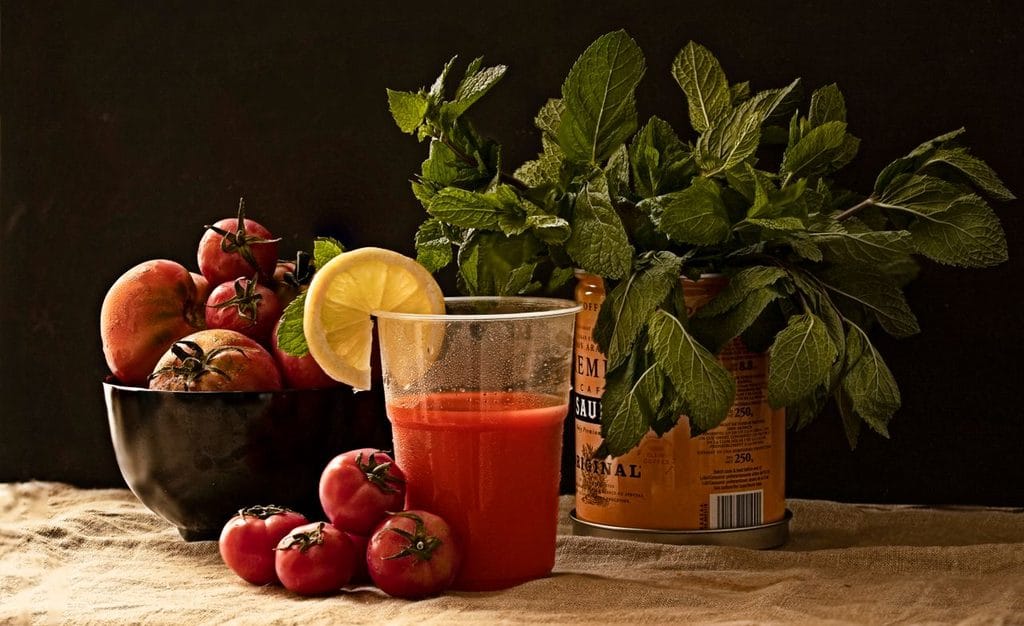
5. Tomato, Celery and Lemon Juice
Not every fasting juice needs to be sweet. This savory combination offers a different flavor profile.
Ingredients:
- 2–3 ripe tomatoes
- 2 celery stalks
- ½ cucumber
- ½ lemon, peeled
- A small handful of parsley
- Optional pinch of herbs
Method:
Wash the ingredients thoroughly and juice them together. Taste before adding any additional seasoning.
The result is fresh, savory, and relatively simple. If you enjoy vegetable-based juices more than fruit-heavy combinations, this may be a useful option to include in your rotation.
How to Approach a Juice Fast Mindfully
The ingredients are only one part of a fasting practice. Your mindset and intention can be equally important, especially when fasting is connected to spirituality.
Consider these practices:
Set an Intention Before You Begin
Ask yourself why you are fasting.
Your intention might involve:
- Creating quiet time for prayer
- Practicing mindfulness
- Reflecting on a personal transition
- Reducing distractions
- Spending more time in nature
- Exploring gratitude
- Creating space for spiritual contemplation
Writing your intention down can help you return to it when the practice becomes difficult.
Create Space for Silence
Modern life can be filled with constant information, notifications, entertainment, and conversation.
A fasting practice can become an opportunity to intentionally reduce some of that noise.
You might set aside 10–20 minutes for:
The purpose is not to force yourself into a particular spiritual experience. Instead, allow yourself to become more attentive to what is happening in the present moment.
Listen to Your Body
Mindfulness includes paying attention to physical signals.
Hunger, fatigue, dizziness, weakness, headaches, or other uncomfortable symptoms should not automatically be interpreted as evidence that a fast is “working.”
If you feel unwell, stop and seek appropriate medical guidance.
Fasting is not a test of willpower, and there is no spiritual benefit in ignoring serious physical warning signs.
Is Juice Fasting the Same as Spiritual Fasting?
No. Juice fasting and spiritual fasting are not the same thing. Juice fasting describes a dietary practice, while spiritual fasting is generally connected to intention, prayer, devotion, reflection, or another spiritual purpose. A person can practice spiritual fasting without following a juice-based approach.
This distinction matters because fasting means different things across different traditions.
Some people fast from food. Others may temporarily step away from particular habits, entertainment, social media, or other distractions. The underlying intention can be to create greater awareness and focus.
For spiritual seekers, fasting can therefore be viewed as a practice of intentional simplicity rather than simply a dietary challenge.
Potential Benefits of a Mindful Fasting Practice
People approach fasting for many different reasons, and experiences vary considerably.
From a spiritual perspective, a mindful fasting practice may help someone:
- Create intentional quiet time
- Develop greater awareness of everyday habits
- Reflect on personal priorities
- Strengthen a sense of discipline
- Spend more time in prayer or meditation
- Practice gratitude
- Disconnect temporarily from distractions
- Explore a deeper relationship with simplicity
These are experiential and spiritual benefits rather than guaranteed health outcomes.
A fasting practice should never be presented as a replacement for medical treatment or professional healthcare.
Common Misconceptions About Juice Fasting
Juice fasting is frequently surrounded by strong claims online. Some of these claims deserve careful consideration.
“Juice Fasting Removes All Toxins”
Your body already has systems involved in processing and eliminating substances, including the liver and kidneys. It is misleading to describe a juice fast as a guaranteed way to “flush out” toxins.
Instead, focus on the practical aspects of the experience: simplicity, fresh ingredients, hydration, and personal intention.
“The Longer You Fast, the Better”
There is no universal rule that longer fasting is spiritually or physically superior.
A longer fast can also increase nutritional and physical concerns. The appropriate approach depends on the individual and their circumstances.
“Everyone Can Safely Juice Fast”
This is not true.
Certain people should avoid fasting or only consider it with professional medical guidance. This can include people with certain health conditions, people taking particular medications, pregnant or breastfeeding individuals, and people with a history of eating disorders.
When in doubt, consult a qualified healthcare professional.
“Feeling Terrible Means the Fast Is Working”
Feeling extremely weak, dizzy, confused, or otherwise unwell should not be treated as a badge of success.
A spiritual practice should encourage awareness rather than disregard for the body’s needs.
How to Make Your Fasting Juice More Enjoyable
If you decide that a juice-based approach is appropriate for you, a few simple habits can improve the experience.
Use fresh produce. Choose fruits and vegetables that look fresh and wash them carefully before preparation.
Balance flavors. Combine sweet, acidic, earthy, and refreshing ingredients rather than relying on one flavor.
Start simple. You do not need ten or fifteen ingredients in one glass. Three to six well-matched ingredients can be enough.
Drink slowly. Instead of treating juice as something to consume quickly, make it part of a mindful pause.
Prepare ingredients in advance. Washing and organizing produce ahead of time can make preparation easier.
Stay attentive to food safety. Fresh juice can spoil relatively quickly. Keep it refrigerated and follow appropriate food-safety practices.
What Should You Do During a Spiritual Fast?
A spiritual fast does not have to mean sitting quietly all day. You can intentionally fill the time created by fasting with meaningful practices.
Consider creating a simple daily rhythm:
- Morning: Begin with quiet reflection, prayer, or meditation.
- Midday: Pause for several minutes of mindful breathing.
- Afternoon: Spend time journaling or walking in nature.
- Evening: Reflect on what you noticed throughout the day.
- Before sleep: Practice gratitude and release the need to judge your experience.
You can also reduce unnecessary distractions during the practice.
The goal is not perfection. It is presence.
Fasting, Meditation and Spiritual Awareness
Fasting can sometimes make people more aware of ordinary experiences that usually go unnoticed.
Hunger may remind you to observe your thoughts. Silence may make you aware of internal noise. Simplicity may reveal how often you reach for stimulation without consciously deciding to do so.
Meditation can complement this process by providing a structured way to observe thoughts and sensations without immediately reacting to them.
Try sitting quietly for five to ten minutes and observing your breathing.
When thoughts arise, notice them.
When hunger appears, notice it.
When emotions surface, notice them.
You do not have to immediately label the experience as positive or negative.
This kind of awareness can transform fasting from a rigid challenge into an opportunity for reflection.
A Simple Mindful Juice Routine
If you are exploring fasting as a personal or spiritual practice, keep the routine uncomplicated.
Morning:
Prepare a fresh juice and take a few quiet minutes before drinking it.
Midday:
Step away from screens and spend time in meditation, prayer, journaling, or quiet reflection.
Afternoon:
Take a gentle walk if you feel physically well enough and appropriate for your circumstances.
Evening:
Reflect on three questions:
- What did I notice about myself today?
- What distractions became more visible?
- What am I grateful for?
The practice does not need to be elaborate to be meaningful.
Frequently Asked Questions About Fasting Juice Recipes
What is the best juice to drink while fasting?
There is no single “best” fasting juice for everyone. Cucumber, celery, apple, lemon, carrot, beet, and other fresh produce can be combined into different recipes. The appropriate choice depends on the individual’s dietary needs and the type of fasting practice being followed.
Can I drink vegetable juice during a fast?
That depends on the type of fast. Some juice-based fasting approaches include vegetable juice, while other forms of fasting do not. If your fasting practice is connected to a religious or spiritual tradition, follow the guidance of that tradition.
Is juice fasting healthy?
Juice fasting is not automatically healthy or appropriate for everyone. Juice can provide nutrients from fruits and vegetables, but juice-only diets may lack important nutrients and may not provide enough protein, fat, or fiber. Anyone considering fasting should consider their individual circumstances and seek professional guidance when appropriate.
How long should a juice fast last?
There is no universally appropriate duration. Longer fasting periods can increase nutritional and physical concerns. Rather than assuming that longer is better, consider the purpose of your practice and speak with a healthcare professional if you are considering a significant dietary restriction.
Can fasting support spiritual growth?
For some people, fasting can become a meaningful spiritual discipline because it creates intentional space for prayer, meditation, reflection, and simplicity. However, spiritual growth is personal, and fasting is not a requirement for everyone.
Bringing Intention Into Your Fasting Practice
The five recipes above offer simple ways to explore fresh fruit and vegetable juices, but the deeper value of a fasting practice may come from what happens around the food.
When you slow down, create quiet, and become more conscious of your habits, you may begin noticing thoughts, emotions, desires, and patterns that are normally hidden beneath a busy routine.
That awareness can become an invitation to reflect.
What are you seeking?
What are you ready to release?
What deserves more attention in your life?
What kind of relationship do you want with yourself, your community, nature, and the sacred?
These questions can be more meaningful than simply following a recipe.
Connecting Fasting With Sacred Community
Spiritual practices can feel different when they are shared with a supportive community.
At Temple of Umi, spiritual growth is approached through practices and experiences centered on connection, mindfulness, sacred ceremony, personal transformation, and community.
If fasting is part of your personal spiritual journey, consider pairing your period of intentional simplicity with meditation, prayer, journaling, breathwork, or time in nature.
Most importantly, approach the practice with compassion rather than judgment.
There is no need to prove your spiritual commitment through physical discomfort.
Making Your Fasting Practice Intentional
These 5 fasting juice recipe ideas—green cucumber and apple, carrot and orange, beet and apple, pineapple and cucumber, and tomato and celery—can provide simple inspiration for people exploring a juice-based fasting practice.
But fasting is about more than what is in your glass.
When approached intentionally, a period of simplicity can create space for mindfulness, prayer, reflection, gratitude, and deeper awareness. At the same time, fasting is not appropriate for everyone, and spiritual practice should never require ignoring legitimate physical needs.
Whether you are beginning a personal spiritual practice or deepening an existing one, let intention, awareness, compassion, and connection guide the experience.
Explore your spiritual journey with curiosity, remain attentive to your body, and allow space for meaningful reflection. Temple of Umi offers a sacred community for those seeking connection, transformation, spiritual growth, and deeper awareness.
Discover Related Topics
- Juices for Weight Loss and Detox: Feel Light & Energized
- Weight Loss Juice Detox Recipes for Clean Renewal
- Detox Recipe for Gentle Daily Renewal
- Best Detox Juices Recipes: 10 Powerful Blends to Cleanse
- Simple Juicing Recipes for Detox: Cleanse Your Body Naturally
- Best Vegetables to Juice for Detox: A Complete Guide to Healing
- Juice Detox Diet Recipes: Ultimate Guide to Boost Energy