Discover how retreats for anxiety and depression support deep healing through mindfulness, plant medicine, and holistic therapies. Learn what to expect, benefits, and how to choose the right retreat.
Overview
In today’s fast-paced world, anxiety and depression have become increasingly common. Many people feel stuck in cycles of stress, emotional exhaustion, and disconnection. While traditional therapy and medication can be helpful, they don’t always address the deeper emotional and spiritual roots of these challenges.
This is where retreats for anxiety and depression come in.
These retreats offer a safe, immersive environment where individuals can step away from daily stressors and focus entirely on healing. By combining holistic therapies, mindfulness practices, and supportive community experiences, these retreats create space for true transformation.
What Are Retreats for Anxiety and Depression?
Retreats for anxiety and depression are structured programmes designed to help individuals heal emotionally, mentally, and spiritually. Unlike a typical vacation, these retreats are intentional experiences focused on personal growth and recovery.
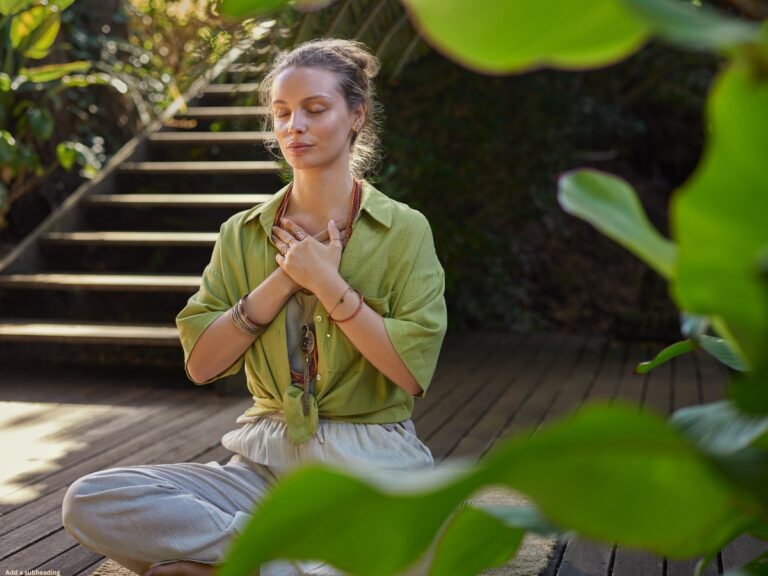
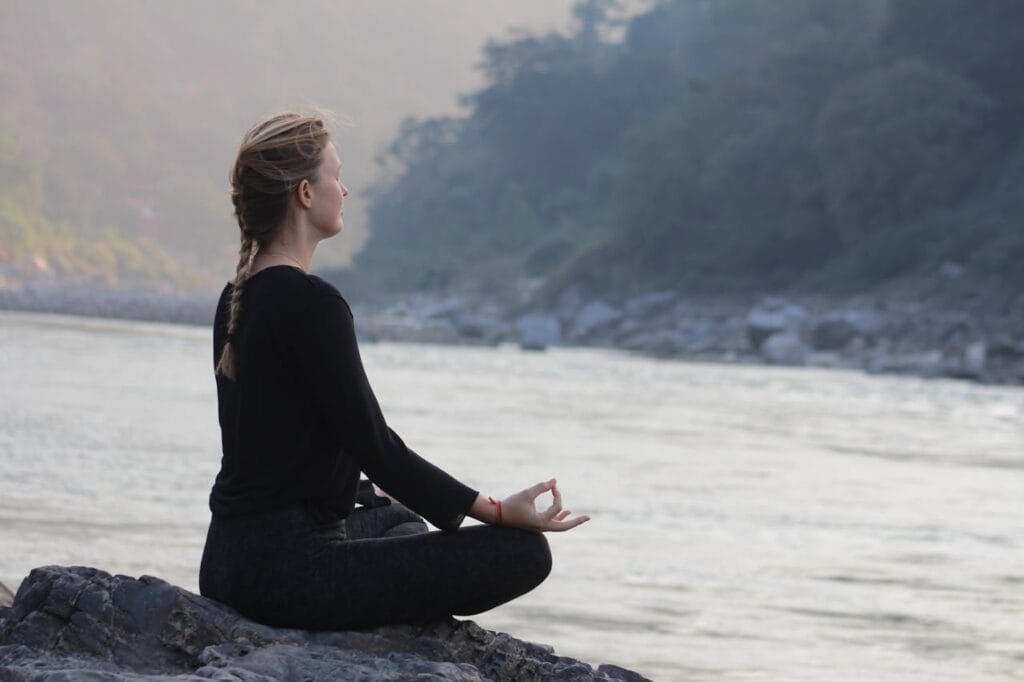
They often take place in peaceful, natural settings that encourage relaxation and introspection.
Key Elements of These Retreats
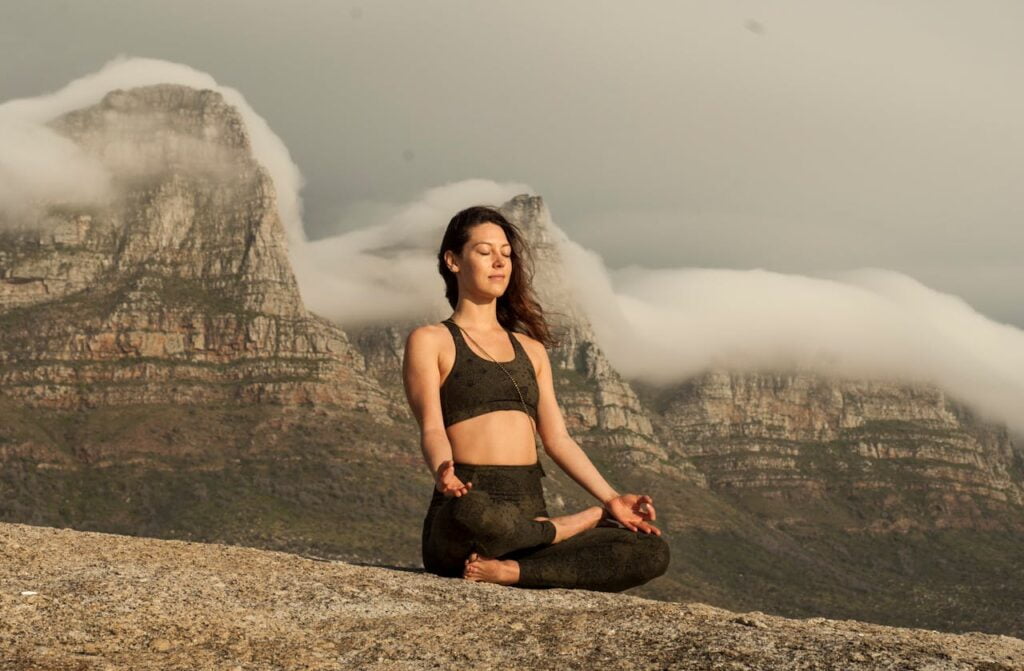
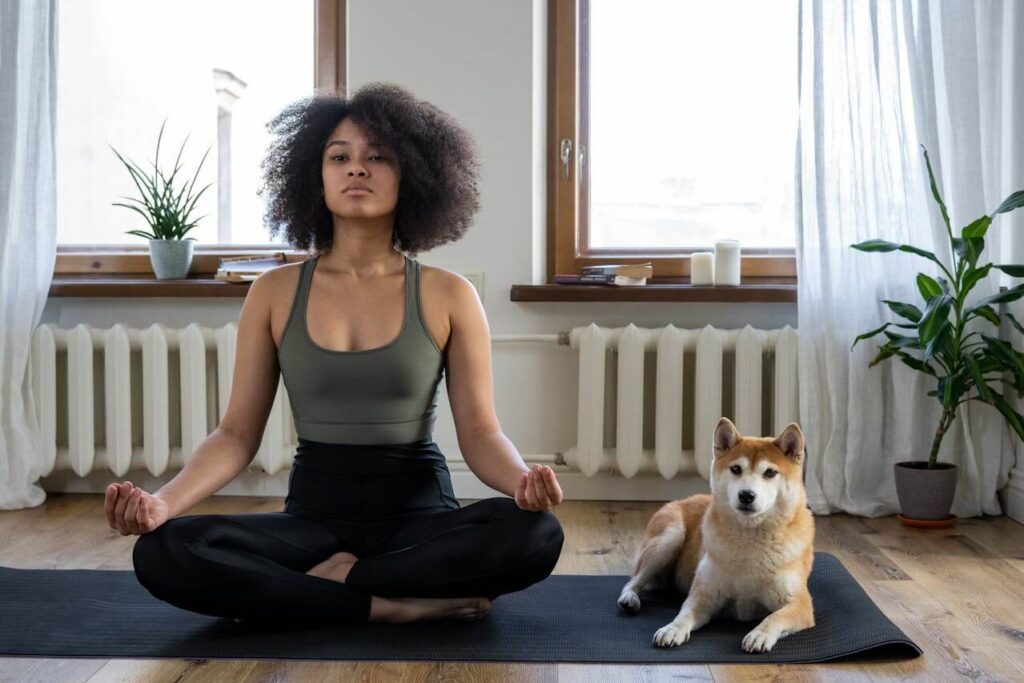
Guided meditation and mindfulness practices
Breathwork and emotional release techniques
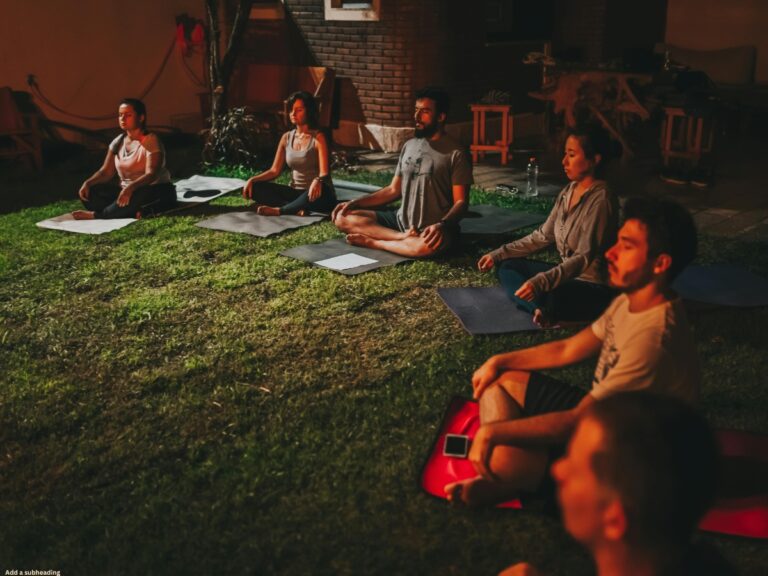
Group sharing and support circles
Holistic therapies such as sound healing
Nutritional support and wellness-focused meals
Spiritual or ceremonial experiences
These elements work together to create a deeply supportive healing environment.
Why Choose a Retreat Instead of Traditional Methods?
While therapy and medication play important roles, retreats for anxiety and depression offer something unique—an immersive healing experience.
Benefits of a Retreat Setting
Disconnection from daily stress: Step away from triggers and distractions
Focused healing time: Dedicate your energy fully to recovery.
Holistic approach: Address mind, body, and spirit
Community support: Connect with others on similar journeys
Accelerated transformation: Experience breakthroughs in a short time
For many people, this combination leads to deeper and faster emotional healing.
How Retreats Help with Anxiety and Depression
The effectiveness of retreats for anxiety and depression lies in their multi-dimensional approach.
1. Nervous System Reset
Chronic anxiety keeps the body in a constant fight-or-flight state. Retreats use techniques like breathwork and meditation to calm the nervous system, allowing the body to return to a state of balance.
2. Emotional Release
Many people carry unresolved emotions that contribute to depression. Through guided practices, retreats help release suppressed feelings in a safe and supportive way.
3. Mindfulness and Awareness
Participants learn how to observe their thoughts without judgement. This reduces overthinking and helps break negative mental patterns.
4. Spiritual Connection
Some retreats incorporate spiritual practices that help individuals reconnect with a deeper sense of purpose and meaning.
Types of Retreats for Anxiety and Depression
Not all retreats for anxiety and depression are the same. Choosing the right type depends on your personal needs and comfort level.
Mindfulness and Meditation Retreats
These focus on:
Silent meditation
Breathing techniques
Present-moment awareness
Best for those seeking mental clarity and stress reduction.
Holistic Healing Retreats
These combine multiple wellness practices:
Yoga and movement therapy
Nutritional healing
Sound therapy and energy work
Ideal for individuals looking for a well-rounded healing experience.
Spiritual and Plant Medicine Retreats
Some retreats offer deeper transformational work through sacred ceremonies and spiritual practices.
These experiences are designed to:
Explore subconscious patterns.
Release emotional trauma
Foster spiritual awakening
They are best suited for individuals ready for profound inner work.
What to Expect at a Retreat
Attending retreats for anxiety and depression can feel unfamiliar at first, but knowing what to expect can help ease any concerns.
A typical day may include the following:
Morning meditation or yoga
Healthy, nourishing meals
Workshops or group sessions
Personal reflection time
Evening ceremonies or relaxation practices
Each day is structured to balance activity, healing, and rest.
Key Benefits of Retreats for Anxiety and Depression
Emotional Healing
Retreats create a safe space to process emotions and let go of what no longer serves you.
Mental Clarity
By stepping away from daily distractions, participants often gain a clearer perspective on their lives.
Reduced Stress and Anxiety
Mindfulness practices help calm the mind and reduce anxiety symptoms.
Lasting Transformation
Many participants leave with tools and insights that continue to support them long after the retreat ends.
Connection and Support
Sharing experiences with others can reduce feelings of isolation and build meaningful connections.
How to Choose the Right Retreat
With so many options available, selecting the right retreats for anxiety and depression is essential.
Consider the Following Factors:
1. Your Goals
Ask yourself:
Do I want relaxation or deep transformation?
Am I looking for spiritual growth?
2. Type of Program
Choose a retreat that aligns with your comfort level:
Beginner-friendly mindfulness retreats
Advanced transformational or spiritual retreats
3. Location and Environment
Natural settings such as forests, mountains, or beaches can enhance the healing experience.
4. Facilitators and Experience
Look for retreats led by trained and experienced professionals who prioritise safety and care.
5. Integration Support
The best retreats for anxiety and depression offer guidance on how to integrate your experience into daily life.
Who Can Benefit from These Retreats?
Retreats for anxiety and depression are suitable for a wide range of individuals, including:
People experiencing chronic stress or burnout
Those struggling with anxiety or depressive symptoms
Individuals seeking emotional healing
Anyone looking for personal growth and self-discovery
However, it’s important to consult with a healthcare professional if you have severe mental health conditions.
Tips for Getting the Most Out of Your Retreat
To maximise your experience:
Set clear intentions before attending.
Stay open-minded to new practices.
Limit distractions, including phone usage.
Engage fully in activities and sessions
Reflect on and journal your experiences.
These simple steps can deepen your healing journey.
Life After the Retreat: Integration Matters
The real transformation begins after the retreat ends.
Ways to Maintain Your Progress
Continue daily meditation or mindfulness practices.
Stay connected with supportive communities.
Apply lessons learned to your everyday life.
Seek ongoing guidance if needed.
The most effective retreats for anxiety and depression emphasise integration to ensure lasting results.
Final Thoughts
Healing from anxiety and depression is not a one-size-fits-all journey. While traditional approaches have their place, retreats for anxiety and depression offer a powerful alternative for those seeking deeper transformation.
By stepping away from daily life and immersing yourself in a supportive, healing environment, you create the opportunity to reconnect with yourself, release emotional burdens, and rediscover inner peace.
If you’re ready to invest in your well-being, a retreat could be the turning point that leads to lasting change.