Struggling with retreat anxiety? Discover how spiritual retreats can reduce stress, support emotional healing, and help you reconnect with yourself. Learn what to expect and how to prepare.
Overview
If you’ve been feeling overwhelmed, mentally drained, or disconnected, you’re not alone. This guide explores the concept of retreat anxiety, what causes it, and how attending a spiritual retreat can help you find clarity and peace.
In this blog post, you’ll learn:
- What retreat anxiety really is and why it happens
- Signs you may be experiencing retreat anxiety
- How spiritual retreats support emotional and mental healing
- What to expect during a retreat experience
- Practical tips to prepare and get the most out of your journey
By the end, you’ll have a clear understanding of how stepping away from daily stress can transform your inner world.
What Is Retreat Anxiety?
Retreat anxiety refers to the stress, nervousness, or hesitation people feel when considering or preparing for a retreat experience. It can also describe the deeper emotional tension that arises when you finally slow down and face your inner thoughts.
In today’s fast-paced world, many people are constantly distracted—by work, social media, and responsibilities. When you suddenly step into a quiet, reflective environment, unresolved emotions can surface.
This is not a bad thing—it’s actually the beginning of healing.
Common Causes of Retreat Anxiety
Understanding the root of retreat anxiety can help you approach it with awareness instead of fear.
1. Fear of the Unknown
Many people feel anxious because they don’t know what to expect from a retreat:
- Will it be uncomfortable?
- Will emotions come up?
- Will I feel out of place?
This uncertainty often triggers retreat anxiety before the experience even begins.
2. Letting Go of Control
Retreats require you to step away from your normal routine. For some, this loss of control can feel unsettling.
- No constant phone use
- No busy schedule to distract you
- More time alone with your thoughts
This shift can intensify retreat anxiety—but it’s also where growth happens.
3. Emotional Release
During a retreat, especially spiritual or healing-based ones, emotions that have been suppressed may come to the surface.
Facing these emotions can feel overwhelming at first, contributing to retreat anxiety.
4. Social Concerns
Being in a new environment with unfamiliar people can create:
This is another common form of retreat anxiety that many participants experience.
Signs You May Be Experiencing Retreat Anxiety
Not sure if what you’re feeling is retreat anxiety? Here are some common signs:
- Overthinking the decision to attend a retreat
- Feeling nervous or uneasy before the retreat
- Trouble sleeping leading up to the experience
- Fear of emotional vulnerability
- Resistance to slowing down or disconnecting
Recognizing these signs is the first step toward transformation.
How Spiritual Retreats Help Reduce Retreat Anxiety
Ironically, the very thing that causes retreat anxiety—a retreat—is also one of the most powerful ways to heal it.
1. Creating a Safe Space for Healing
Retreat environments are intentionally designed to help you feel safe, supported, and grounded.
- Guided sessions
- Experienced facilitators
- Supportive community
This structure helps ease retreat anxiety over time.
2. Disconnecting to Reconnect
When you step away from daily distractions, your mind finally has space to rest.
Benefits include:
As you settle into the retreat, retreat anxiety often transforms into calm and awareness.
3. Guided Inner Work
Spiritual retreats often include practices like:
These tools help you process emotions safely and effectively, reducing retreat anxiety and promoting healing.
4. Community Support
Being surrounded by others on a similar journey can be incredibly comforting.
- Shared experiences
- Non-judgmental environment
- Deep human connection
This sense of belonging helps dissolve retreat anxiety and builds confidence.
What to Expect During a Retreat
Understanding what happens during a retreat can significantly reduce retreat anxiety.
Daily Structure May Include:
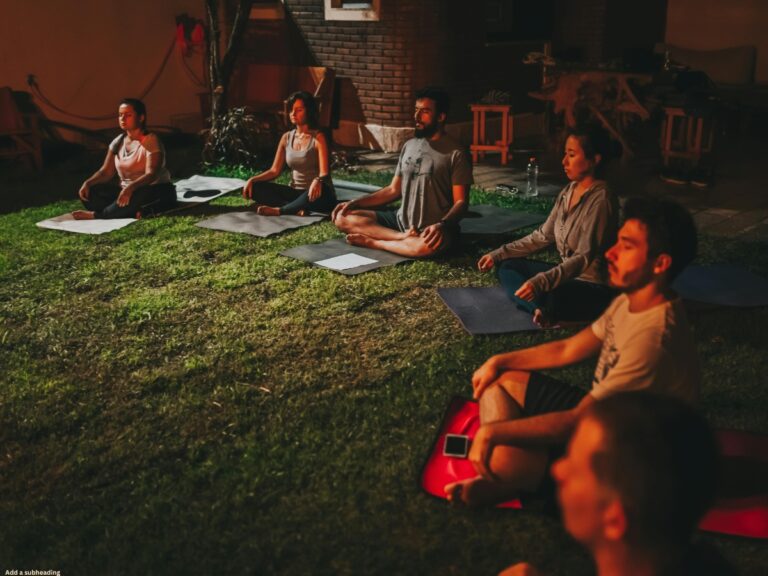
- Morning meditation or mindfulness practice
- Group discussions or sharing circles
- Healing sessions (breathwork, sound therapy, etc.)
- Personal reflection time
- Evening integration or relaxation activities
Emotional Experiences
It’s normal to go through a range of emotions:
- Calm and peace
- Emotional release
- Clarity and insight
These experiences are part of the healing journey and help release retreat anxiety.
How to Prepare for Retreat Anxiety
Preparation can make a huge difference in how you experience your retreat.
1. Set Clear Intentions
Ask yourself:
- Why am I attending this retreat?
- What do I want to heal or understand?
Having clarity reduces retreat anxiety and gives your experience purpose.
2. Embrace Openness
Let go of expectations and allow the experience to unfold naturally.
- Avoid over-planning
- Stay present
- Trust the process
This mindset helps ease retreat anxiety before and during the retreat.
3. Practice Mindfulness Beforehand
Simple practices can help you prepare:
- Deep breathing exercises
- Short daily meditation
- Journaling your thoughts
These habits make it easier to manage retreat anxiety.
4. Limit External Distractions
Start reducing screen time and digital noise before your retreat.
- Less social media
- More quiet time
- Better mental clarity
This gradual transition lowers retreat anxiety significantly.
Benefits of Overcoming Retreat Anxiety
Once you move through retreat anxiety, the rewards can be life-changing.
Emotional Benefits
- Reduced stress and anxiety
- Greater emotional resilience
- Healing from past experiences
Mental Benefits
- Improved focus and clarity
- Better decision-making
- Increased self-awareness
Spiritual Benefits
- Deeper connection with yourself
- Sense of purpose and direction
- Inner peace and balance
Why Retreat Anxiety Is Actually a Good Sign
It may sound surprising, but retreat anxiety is often a sign that you’re about to grow.
When you feel uncomfortable, it usually means:
- You’re stepping outside your comfort zone
- You’re ready for change
- You’re opening the door to transformation
Instead of resisting retreat anxiety, try to see it as part of your healing journey.
Final Thoughts: Embrace the Journey
Retreat anxiety is a natural and common experience—but it doesn’t have to hold you back. In fact, it can be the very thing that leads you toward deeper healing and self-discovery.
Spiritual retreats provide a powerful opportunity to:
- Pause and reset
- Heal emotional wounds
- Reconnect with your true self
If you’ve been feeling the pull to step away and reflect, trust that instinct. Your journey toward clarity, peace, and transformation may begin with retreat anxiety—but it certainly doesn’t end there.