
Discover what a silent retreat is, how it works, and the profound benefits it offers for emotional, spiritual, and mental healing. Learn what to expect and how to choose the right silent retreat for your personal transformation.
Overview
This blog post will help readers understand what a silent retreat is, why people attend them, and what transformative benefits they can offer. Readers will learn how silent retreats support mental clarity, emotional healing, spiritual awakening, and deeper connection with self. The post will also explain what typically happens during a silent retreat, who it is suitable for, and how attending one can offer life-changing insight. Finally, the article will highlight why joining a guided silent retreat with a trained spiritual community can magnify the overall experience.
What Is a Silent Retreat? A Deep Journey Into Yourself
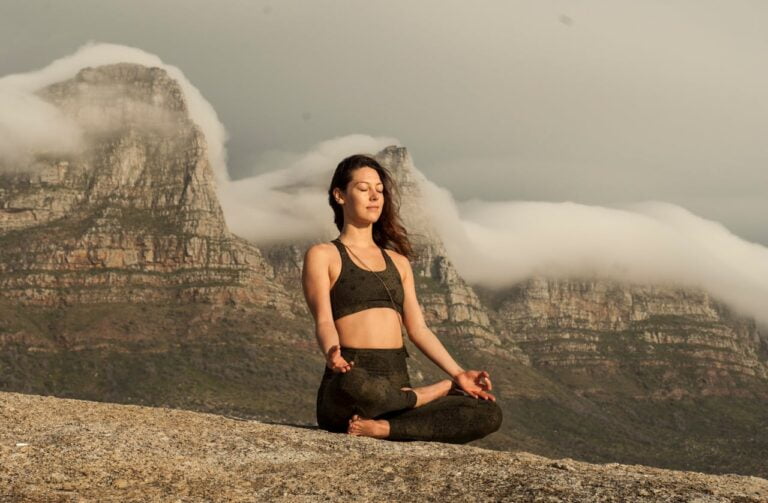
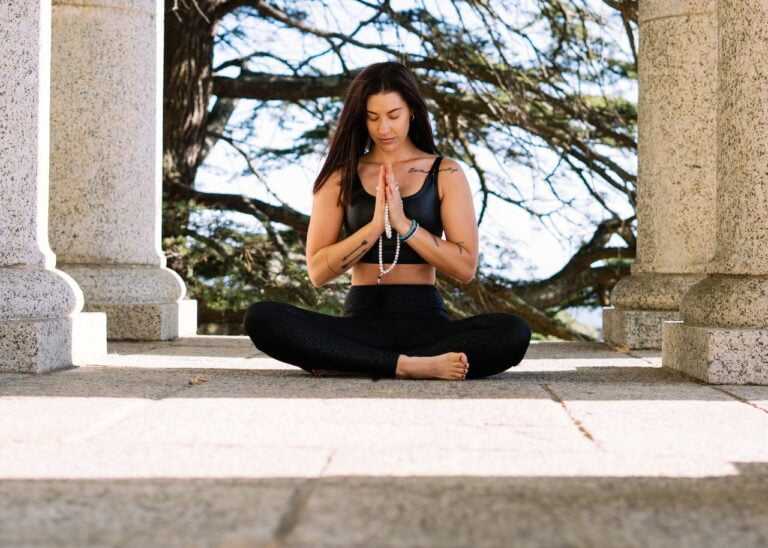
In a world filled with constant noise, screens, conversation, and emotional overload, many people are searching for stillness and a deeper sense of connection within themselves. This is where the concept of a silent retreat comes in. But what is a silent retreat, really? At its core, a silent retreat is a dedicated period of time where participants refrain from speaking, minimize external stimulation, and turn inward. The retreat environment is intentionally calm, structured, and supportive to help individuals access inner peace and clarity that everyday life rarely allows.
Silent retreats vary in length from a single day to multiple weeks. They can be held in spiritual centers, retreat sanctuaries, monasteries, or nature-based healing environments. The purpose is not simply to avoid talking but to allow the mind, body, and heart to enter a state of deep presence.

Why People Seek Silent Retreats
People attend silent retreats for many reasons. Some seek emotional healing. Others want clarity about personal decisions. Many come to reconnect with themselves or to feel spiritually grounded again. In silence, old patterns and suppressed emotions often rise to the surface—creating space for understanding, reflection, and release.
Common Reasons Someone May Choose a Silent Retreat:
- Stress, burnout, or mental exhaustion
- Emotional overwhelm or anxiety
- Desire for inner peace and grounding
- Spiritual curiosity or awakening
- Healing after life transitions or trauma
- Need for clarity and direction in life
The inner work that takes place in silence is gentle but deeply transformative.
How Silent Retreats Work
Understanding what a silent retreat is also includes understanding how they work. The structure may vary depending on the retreat center or tradition, but most silent retreats include:
Typical Elements of a Silent Retreat:
- Guided Meditations: To help maintain focus and awareness.
- Breathwork or Mindfulness Practices: To calm the nervous system.
- Nature Time or Outdoor Reflection: To reconnect with the Earth.
- Journaling or Silent Self-Inquiry: To process inner experiences.
- Ceremonial or Spiritual Practices: Depending on the retreat setting.
- Nutritious Meals: Often plant-based or cleansing to support your inner work.
There are no phones, no conversations, and no outside distractions. The silence itself becomes the teacher.
The Spiritual and Emotional Benefits of a Silent Retreat
The benefits of a silent retreat often extend far beyond the retreat weekend or week. Silence allows space for the mind and heart to reset.
Key benefits include:
In silence, unresolved emotions, memories, or stress patterns can be seen clearly and understood with compassion.
Without external noise, you become more aware of your thoughts, behaviors, and inner truth.
Silence reduces cortisol levels, lowers stress, and allows the body to return to a balanced state.
4. Increased Spiritual Connection
For many, a silent retreat opens a doorway to the Divine—or to a deeper relationship with their higher self.
Participants often return feeling lighter, more aligned, and clear on their next steps in life.
What to Expect Emotionally
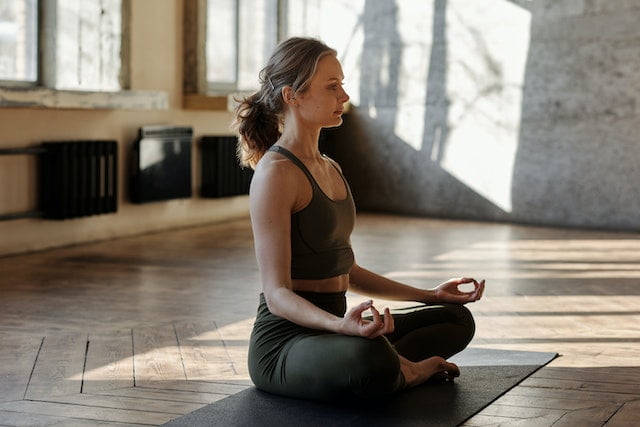
At first, the silence may feel unusual or uncomfortable—especially if you are used to constant stimulation. Many people experience the following stages:
- Mental Restlessness: The mind will try to fill silence at first.
- Emotional Surfacing: Feelings may rise to be processed.
- Release & Healing: Letting go becomes possible when distractions are removed.
- Inner Peace: A deep sense of calm begins to take hold.
This journey is sacred—and it unfolds uniquely for each person.
Who Is a Silent Retreat Ideal For?
A silent retreat is well-suited for those who:
- Are seeking emotional or spiritual healing
- Want to deepen their meditation or spiritual practice
- Feel overwhelmed by life and need grounding
- Are undergoing major life transitions
- Feel called to reconnect with themselves
No meditation experience is required—only willingness.
We Offer Silent Retreat Experiences
We offer guided silent retreats held in a supportive and sacred environment, designed to help participants reconnect with themselves and the Divine within. Our facilitators provide gentle structure and spiritual guidance throughout the process, creating a safe container for personal transformation.
You are not walking this journey alone—you are held, supported, and guided with care.
Final Thoughts
Now that you understand what a silent retreat is, the next step is deciding whether you are ready to step into this transformative experience. Silence has the power to reveal truths, release emotional weight, and reconnect you with your deepest self. If you are seeking peace, healing, or spiritual alignment, a silent retreat may be exactly what your soul is calling for.