Discover the ultimate self-help retreat to recharge your mind, body, and spirit. Learn how our guided programs, healing activities, and expert facilitators can help you achieve personal growth and lasting transformation.
Overview
In this blog, readers will explore what a self-help retreat is, how it can benefit personal growth, and what to expect when attending one. The article will cover:
- The definition and purpose of a self-help retreat
- Key benefits for mental, emotional, and physical health
- Typical programs and activities offered
- How to choose the right retreat for your needs
- Tips for preparation and integration after the retreat
By the end of this article, readers will have a clear understanding of how a self-help retreat can help them transform their life and how to select the right retreat that fits their goals.
What is a self-help retreat?
A self-help retreat is a structured program designed to promote personal growth, self-discovery, and emotional healing. Unlike a vacation, a self-help retreat is focused on intensive self-reflection, skill-building, and transformation. These retreats combine workshops, guided exercises, meditation, mindfulness practices, and other therapeutic activities.
Key Features of a Self-Help Retreat
- Guided Personal Development: Expert facilitators provide structured sessions to help participants uncover limiting beliefs and develop self-awareness.
- Holistic Approach: Programs often include physical activities like yoga, nature walks, or movement therapy, alongside mental and emotional exercises.
- Supportive Environment: Retreats foster a safe, non-judgmental community where participants can share experiences and gain new perspectives.
By attending a self-help retreat, participants step away from daily distractions to focus fully on personal growth and long-lasting transformation.

Benefits of Attending a Self-Help Retreat
Attending a self-help retreat offers numerous mental, emotional, and physical benefits.
Mental Benefits
- Reduced Stress and Anxiety: Immersion in a peaceful environment and guided relaxation techniques help participants manage stress.
- Improved Clarity and Focus: Structured sessions encourage introspection, helping attendees identify goals and priorities.
- Enhanced Creativity: Time away from routine and exposure to new ideas stimulate creative thinking.
Emotional Benefits
- Healing Past Trauma: Many retreats offer therapeutic workshops to process unresolved emotions.
- Increased Self-Confidence: Learning new coping skills and reflecting on achievements boosts self-esteem.
- Emotional Resilience: Retreats provide tools to handle future challenges with strength and balance.
Physical Benefits
- Better Sleep: Relaxation, mindfulness, and a change of environment often improve sleep quality.
- Increased Energy: Daily practices like yoga, hiking, or movement therapy rejuvenate the body.
- Healthier Lifestyle Habits: Retreats often emphasize nutrition, hydration, and mindful eating.
A well-designed it nurtures the mind, body, and spirit simultaneously, ensuring holistic transformation.
Typical Programs and Activities at a Self-Help Retreat
Every self-help retreat offers a unique experience, but most share several core components:
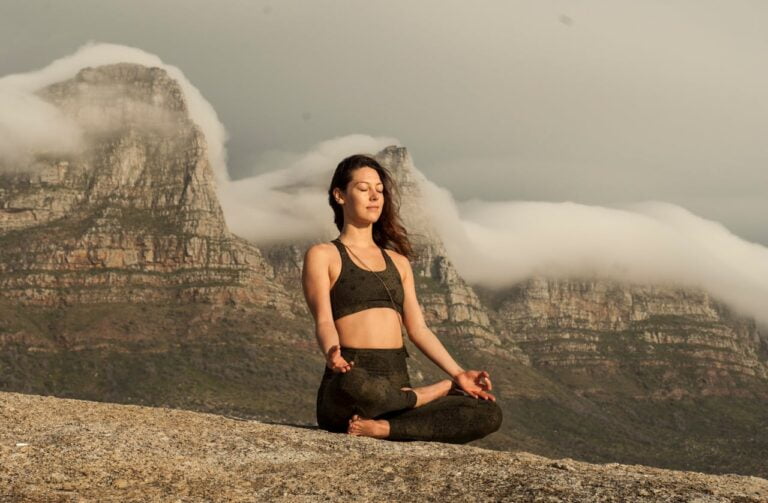
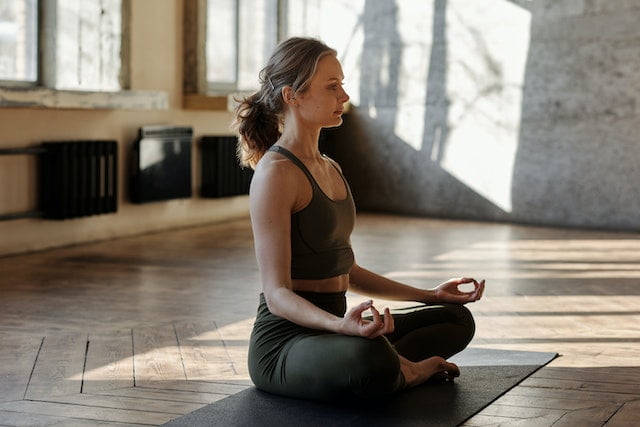
Mindfulness and Meditation
- Guided meditation sessions to increase focus and reduce stress
- Breathwork exercises for emotional regulation
- Silent reflection periods to enhance self-awareness
Personal Development Workshops
- Goal-setting and life planning
- Emotional intelligence and communication skills training
- Overcoming limiting beliefs and mental blocks
Physical and Holistic Practices
- Yoga and stretching sessions
- Nature walks, hiking, or outdoor mindfulness activities
- Nutritional guidance and healthy meal planning
Community and Support
- Group sharing circles for connection and reflection
- One-on-one sessions with facilitators for personalized guidance
- Networking opportunities to build meaningful connections
By combining these elements, a self-help retreat ensures a comprehensive experience that addresses all aspects of well-being.
How to Choose the Right Self-Help Retreat
Selecting the right self-help retreat is critical to achieving your personal goals. Consider the following factors:
Location and Setting
- Choose a location that promotes relaxation and focus, such as a forest, mountains, or near the ocean.
- Ensure the retreat environment aligns with your comfort level and desired experience.
Facilitators and Credentials
- Research the facilitators’ experience, training, and approach to personal development.
- Look for retreats with licensed therapists, experienced coaches, or spiritual guides if necessary.
Program Focus
- Identify the main goal of the retreat: stress relief, emotional healing, career clarity, or spiritual growth.
- Check that the retreat activities align with your personal goals.
Duration and Intensity
- Decide if a short weekend retreat or a longer multi-day retreat suits your schedule and energy.
- Consider the intensity of workshops, meditation, or physical activities based on your fitness and experience.
Cost and Accessibility
- Factor in all costs, including travel, accommodation, and optional sessions.
- Choose a retreat within your budget without compromising safety or quality.
By evaluating these criteria, you can select a self-help retreat that maximizes your potential for transformation.
Preparation Tips for a Self-Help Retreat
Proper preparation enhances your retreat experience and ensures a smooth transition into post-retreat life.
Mental Preparation
- Set clear intentions for your retreat experience.
- Journal current challenges and goals to track growth
- Commit to openness, honesty, and self-reflection
Physical Preparation
- Maintain a healthy diet in the days leading up to the retreat
- Engage in light exercise to prepare your body for activities.
- Get sufficient rest to arrive energized and focused.
Emotional Preparation
- Release expectations of a “perfect experience.”
- Be ready to face difficult emotions or realizations.
- Trust the process and facilitators guiding your journey.
Integration After a Self-Help Retreat
The transformation doesn’t end when the retreat concludes. Integration is essential for lasting impact.
Key Integration Strategies
- Journaling: Document insights, experiences, and plans for growth
- Routine Mindfulness: Continue meditation or breathwork practices daily.
- Community Support: Maintain connections with fellow participants or facilitators
- Action Plan: Implement changes learned during the retreat into daily life
A thoughtful integration plan ensures the lessons and experiences from your self-help retreat continue to foster growth long after the retreat ends.
Why Choose Our Self-Help Retreat?
At Temple of Umi, we offer transformative self-help retreats designed to guide you through a journey of self-discovery and healing.
What Sets Us Apart
- Experienced facilitators trained in personal development, mindfulness, and holistic healing
- Safe, serene locations that encourage focus and relaxation
- Customized programs to suit individual needs and goals
- Ongoing support post-retreat to ensure lasting transformation
Our retreats combine modern psychology with traditional practices to provide a well-rounded, life-changing experience.
Final Thoughts
A self-help retreat is more than a temporary escape; it’s a gateway to personal growth, emotional healing, and spiritual clarity. By dedicating time to yourself, you create the space to explore your inner world, release limiting beliefs, and cultivate habits that support long-term well-being.
Whether you are seeking stress relief, personal insight, or a transformative experience, a self-help retreat can provide the tools, guidance, and community support you need to step into your best self.
Take the first step toward transformation and discover how our retreats can help you recharge, reconnect, and grow.