Life moves fast. Between work, family, travel, and personal responsibilities, finding time for fitness can feel difficult. That is why a quick full body workout can be so powerful. It gives your body what it needs without asking for hours at the gym.
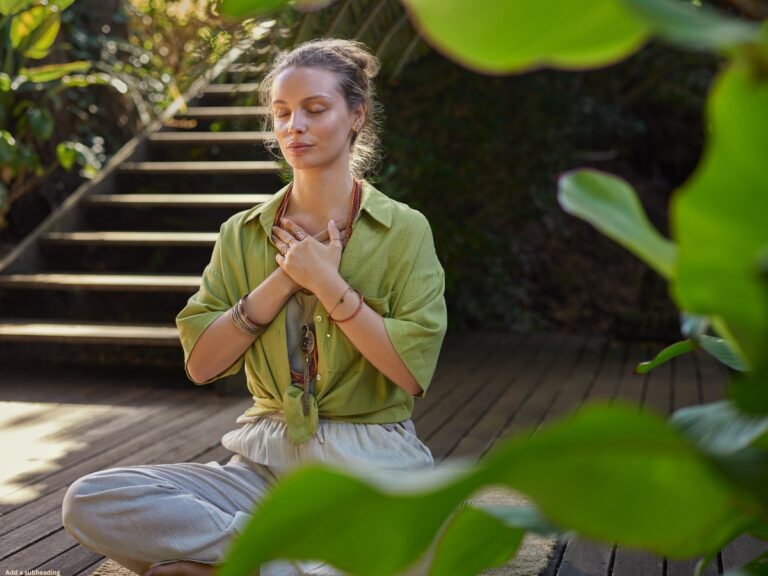
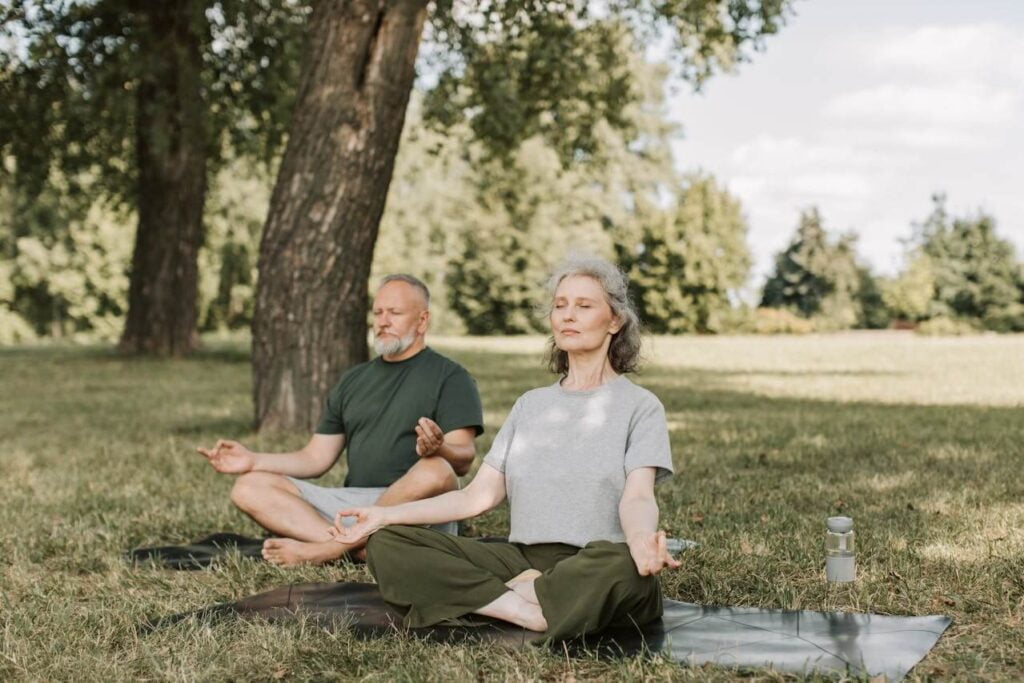
At Temple of Umi, wellness is not only about physical movement. It is also about presence, breath, discipline, and connection with yourself. A short workout can become more than exercise. It can become a daily ritual that clears your mind, wakes up your body, and helps you return to balance.
Why a Quick Full Body Workout Works So Well
A quick full body workout targets several major muscle groups in one session. Instead of training only arms, legs, or abs, you move the whole body through pushing, pulling, squatting, hinging, and core control.
This style is efficient because your body works as one connected system. You burn calories, improve strength, and raise your heart rate in a short amount of time. According to the American Council on Exercise, short body-weight sessions can be useful when time, travel, or equipment limits your normal routine.
It is also beginner-friendly. You do not need expensive machines. You only need your body, a little space, and the willingness to show up.
What Makes a 20-Minute Full Body Workout Effective?
A strong 20-minute full body workout should include three things: intensity, balance, and control.
Intensity means you are working hard enough to feel challenged. Balance means your routine includes upper body, lower body, core, and cardio-style movement. Control means you move with awareness instead of rushing through poor form.
High-intensity full body workout styles can be effective because they use short periods of focused effort. Healthline notes that HIIT-style exercise may provide fitness benefits in less time than longer steady workouts.
Still, faster is not always better. Move with purpose. Breathe steadily. Listen to your body.
Warm Up Before You Start
Before doing a quick full body workout, spend three to five minutes preparing your body. A warm-up increases blood flow, improves mobility, and helps reduce strain.
Try this simple warm-up:
Start with light marching in place, then add arm circles, shoulder rolls, bodyweight squats, hip circles, and gentle lunges. Keep everything easy and smooth.
The Mayo Clinic Press recommends warm-up movements that prepare both the upper and lower body, including leg swings, walking lunges, arm circles, and shoulder rolls.
Think of this as entering the practice, not just starting exercise.

The 20-Minute Quick Full Body Workout Plan
This routine is simple, effective, and can be done at home, in a hotel room, or outside. It works well as an at-home full body exercises plan because no equipment is required.
Do each move for 40 seconds, then rest for 20 seconds. Complete three rounds.
1. Bodyweight Squats
Squats strengthen your legs, glutes, and core. Keep your chest lifted, feet about shoulder-width apart, and push your hips back as if sitting into a chair.
This move builds lower-body strength and supports daily movement, from climbing stairs to lifting objects safely.
2. Push-Ups
Push-ups train your chest, shoulders, arms, and core. Beginners can place knees on the floor. Advanced users can perform standard push-ups or slow-tempo push-ups.
For a beginner full body workout, form matters more than speed. Keep your body aligned and lower with control.
3. Reverse Lunges
Reverse lunges challenge your legs, glutes, balance, and coordination. Step one foot back, lower gently, then return to standing.
This is one of the best quick fat-burning exercises because it uses large muscles and raises your heart rate while building strength.
4. Mountain Climbers
Mountain climbers bring cardio and core together. Keep your hands under your shoulders and drive your knees toward your chest.
Move at a pace that feels strong but controlled. Avoid bouncing your hips too high.
5. Glute Bridges
Lie on your back with knees bent and feet flat. Lift your hips, squeeze your glutes, and lower slowly.
Glute bridges support hip strength, posture, and lower-body stability. They also balance out sitting for long periods.
6. Plank Shoulder Taps
Start in a plank position. Tap your left shoulder with your right hand, then your right shoulder with your left hand.
Keep your hips steady. This move strengthens your abs, shoulders, and deep core.
7. Jumping Jacks or Step Jacks
Jumping jacks add a cardio burst. For a low-impact version, step one foot out at a time.
This helps increase energy and gives the routine a total body workout plan feel without needing machines.
8. Superman Hold
Lie face down, lift your arms and legs slightly, and hold. This strengthens your back, glutes, and posture muscles.
The NASM exercise library is a helpful resource if you want to learn more about proper exercise technique and movement variations.
This quick full body workout is short, but it trains strength, cardio, balance, and body awareness in one session.
How to Make Your Quick Full Body Workout More Mindful
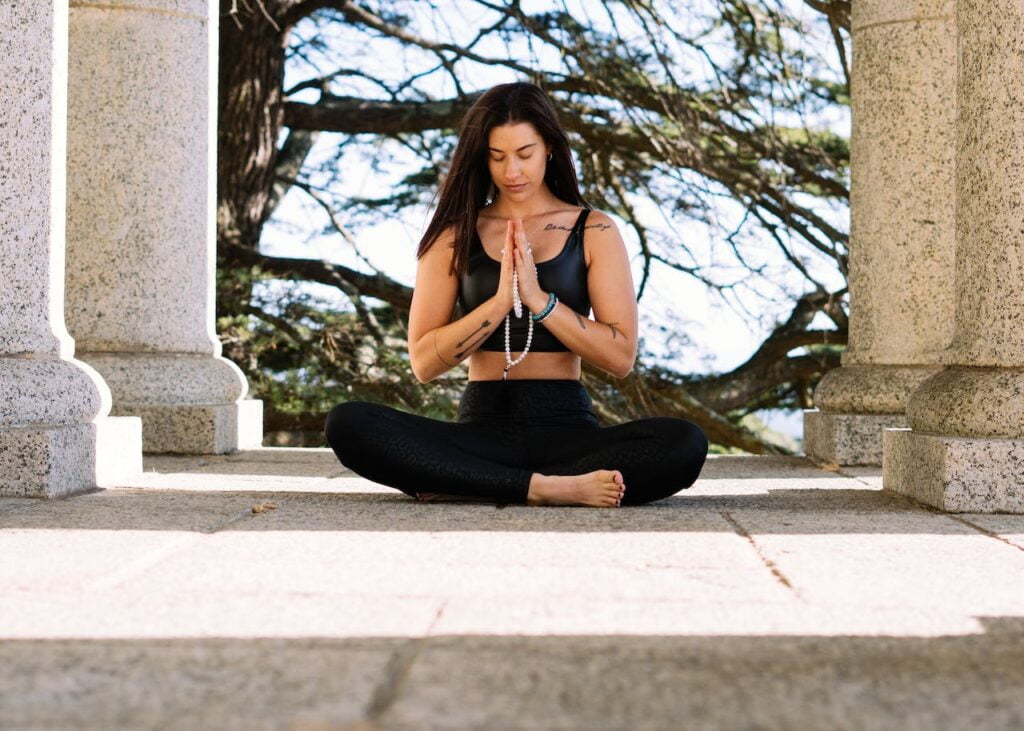
A workout does not have to feel aggressive or rushed. At Temple of Umi, movement can be treated as a grounding practice.
Before you begin, take three slow breaths. Set an intention such as “I move with strength,” “I honor my body,” or “I release stagnant energy.”
During the session, notice your breath. Feel your feet connect with the floor. Pay attention to how your body responds.
This changes your quick full body workout from a task into a ritual.
Beginner Modifications That Still Work
If you are new to exercise, reduce the intensity without quitting the routine. You can do knee push-ups instead of full push-ups, step jacks instead of jumping jacks, and slow mountain climbers instead of fast ones.
A beginner full body workout should leave you feeling challenged but not defeated. You should be able to breathe, maintain form, and recover between rounds.
Verywell Fit explains that beginner strength training often includes simple moves such as assisted lunges, bird dogs, knee push-ups, and controlled core work. These movements help build confidence before progressing.
How Often Should You Do It?
For most healthy adults, three to four sessions per week is a good starting point. You can also add walking, yoga, stretching, or meditation on other days.
A full body workout routine works best when you allow recovery. Muscles need rest to grow stronger. Your nervous system also benefits from slower days.
Try this weekly rhythm:
Monday: 20-minute workout
Tuesday: walk or stretch
Wednesday: 20-minute workout
Thursday: rest or meditation
Friday: 20-minute workout
Weekend: gentle movement, nature, or breathwork
This keeps your body active without overwhelming your schedule.
Common Mistakes to Avoid
One mistake is skipping the warm-up. Another is rushing through every movement with poor form. Many people also choose exercises that are too advanced too soon.
The goal is not to punish your body. The goal is to strengthen it.
Avoid holding your breath. Avoid comparing yourself to others. Avoid turning every workout into a test of worth.
Fitness should support your life, not control it.
Add Breathwork After Your Session
After your final round, sit or lie down for two minutes. Place one hand on your chest and one hand on your belly.
Inhale through your nose for four counts. Exhale slowly for six counts. Let your heart rate settle.
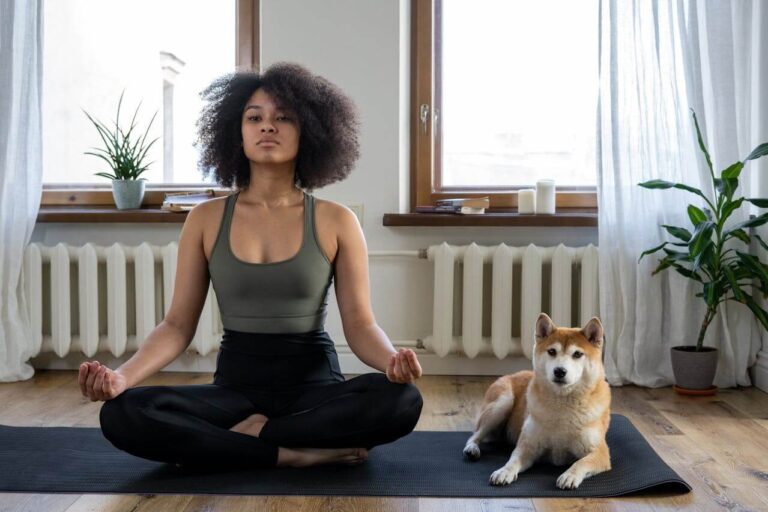
This short practice helps your body shift from effort into calm. It also creates a bridge between physical training and inner stillness.
That is where fitness becomes deeper. Your body moves, your breath steadies, and your mind becomes clearer.
When to Increase the Challenge
Once the routine feels easy, increase the challenge gradually. Add another round, use light dumbbells, slow down your tempo, or reduce rest time.
You can also turn the session into full body strength training by adding resistance bands, kettlebells, or dumbbells. Keep the same movement patterns but increase the load carefully.
Progress should feel steady, not forced.
A Simple Ritual for Busy Days
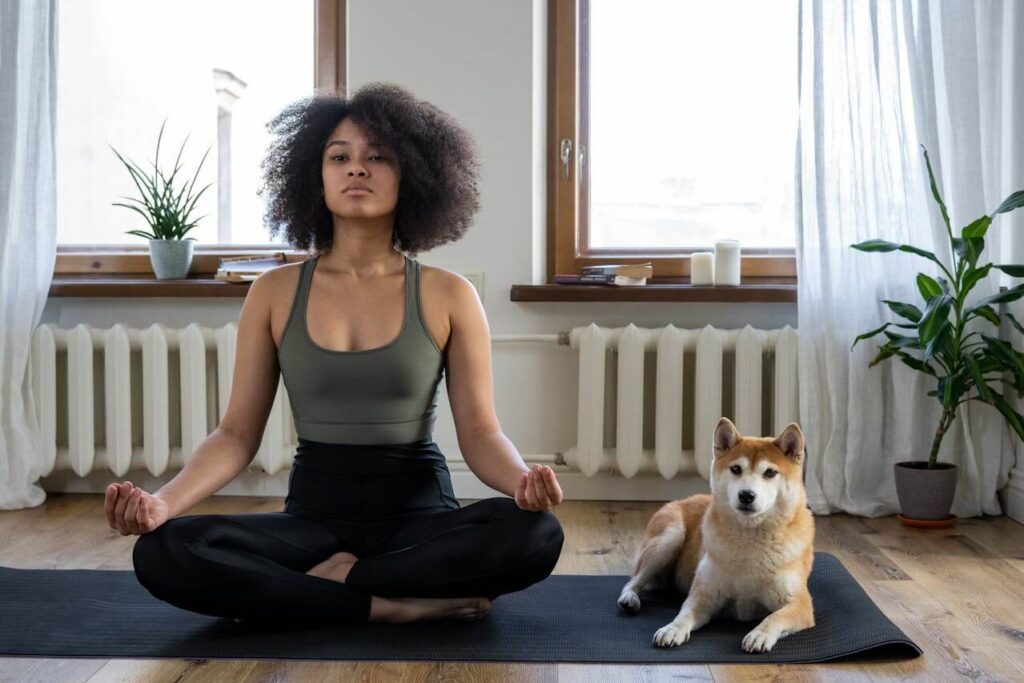
On days when you feel tired, distracted, or emotionally heavy, do not wait for perfect motivation. Roll out a mat, take one breath, and begin.
A short workout can shift your state quickly. It can help you feel capable again. It can remind you that discipline does not need to be harsh.
Even 20 minutes can reconnect you with your body.
Use this quick full body workout as a daily reset, a travel routine, or a simple home practice when life feels full. Move with intention, breathe with awareness, and let your body become part of your path back to balance.
Related Topics
- Meditation Retreat Best: Find the Right Retreat for Deep Healing
- Best Meditation Retreats in the World
- Transform Your Spirit: Yoga and Meditation Retreat in India
- Benefits of Meditation and Mindfulness
- Walking meditation
- Evening meditation routines
- Morning meditation
- Meditation posture
- Meditation exercises
- Meditation for depression