
Discover the transformative benefits of a psychological retreat. Learn how guided practices, therapy, and spiritual connection can enhance mental health and personal growth.
Overview
A psychological retreat offers more than just a break from everyday life—it’s a structured experience designed to foster deep mental, emotional, and spiritual healing. In this blog post, you will learn what a psychological retreat entails, the benefits of participating, who can benefit the most, and what to expect before, during, and after your retreat. Whether you’re seeking relief from stress, trauma, or simply looking to deepen self-awareness, this guide will help you understand why a psychological retreat could be the life-changing experience you need.
What is a Psychological Retreat?
A psychological retreat is a structured program that combines elements of mental health therapy, spiritual practices, and personal development. Unlike a typical vacation, the focus is inward. Participants are guided through exercises that help them process emotions, develop coping strategies, and reconnect with their inner selves.
- These retreats may include:
- Individual or group therapy sessions
- Mindfulness and meditation exercises
- Journaling and reflective practices
- Breathwork, yoga, or sound healing
- Nature immersion and contemplative walks
The goal is to create a safe, nurturing environment where participants can explore their mental and emotional landscapes without distraction.
The Benefits of Attending a Psychological Retreat
A psychological retreat offers a variety of benefits that can impact your life long after the program ends. Here are some of the key advantages:
1. Emotional Healing
Many retreats focus on helping participants process unresolved emotions and past trauma. Through guided exercises and professional support, individuals can release emotional blocks and find a sense of closure.
2. Stress Reduction and Relaxation
Immersive retreats provide an environment free from the stresses of daily life. Mindfulness, meditation, and nature-based activities help reduce cortisol levels and restore mental clarity.
3. Enhanced Self-Awareness
A psychological retreat encourages introspection. Participants often leave with a clearer understanding of their motivations, habits, and emotional triggers. This self-awareness is essential for long-term personal growth.
4. Improved Mental Health
By combining therapy with holistic practices, retreats can alleviate symptoms of anxiety, depression, and burnout. Many attendees report feeling more balanced and emotionally resilient after completing a retreat.
5. Connection with Others
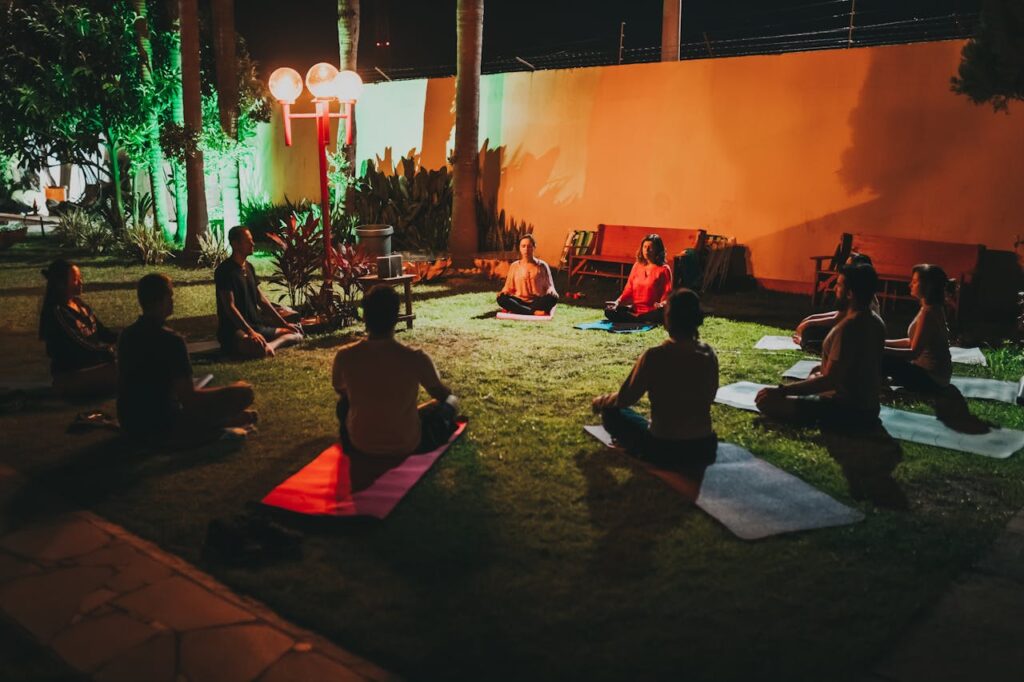
Group retreats foster community and connection. Sharing experiences in a safe space allows participants to feel understood and supported, which can enhance social bonds and reduce feelings of isolation.
Who Can Benefit from a Psychological Retreat?
Psychological retreats are suitable for a wide range of individuals, including:
- People experiencing stress, anxiety, or depression
- Individuals seeking personal growth or self-discovery
- Those recovering from trauma or grief
- Professionals facing burnout or work-related stress
- Anyone seeking spiritual or emotional clarity
It’s important to note that these retreats are not a substitute for medical treatment. Participants with severe mental health conditions should consult a licensed professional before attending.
What to Expect During a Psychological Retreat
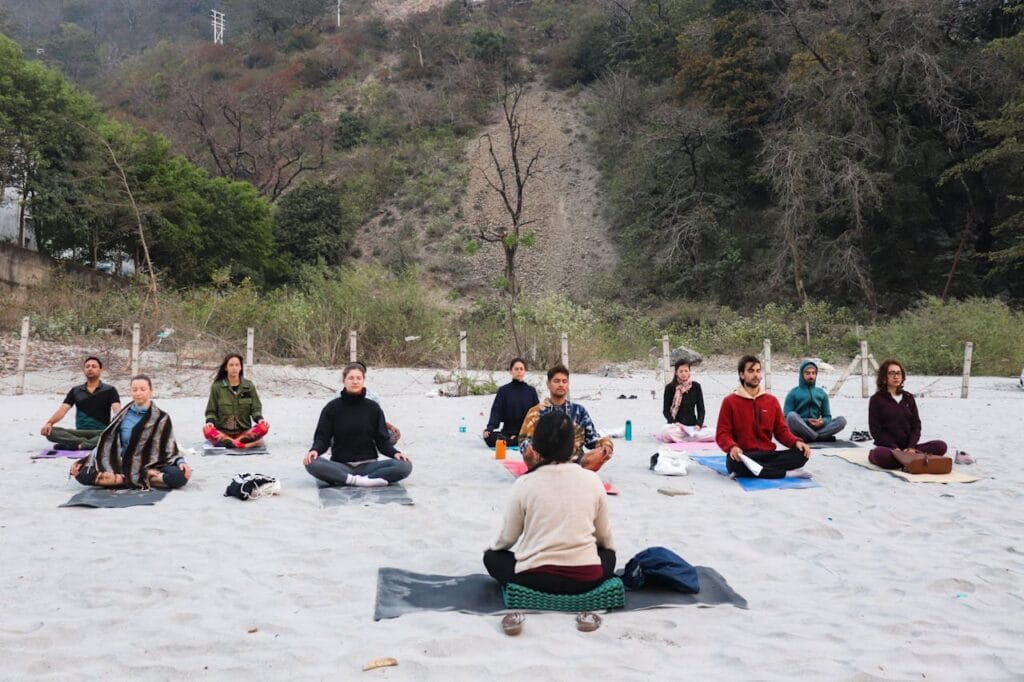
A psychological retreat is designed to be immersive, supportive, and transformative. While programs vary, here is what you can generally expect:
1. Intake and Assessment
Before the retreat begins, participants typically undergo a consultation or intake assessment. This helps facilitators tailor the experience to individual needs.
2. Structured Daily Schedule
Retreats usually have a structured schedule balancing therapy sessions, personal reflection, and group activities. The schedule allows for both introspection and social engagement.
3. Guided Practices
Facilitators lead participants through various exercises, including:
- Guided meditations
- Breathwork and relaxation techniques
- Journaling and expressive arts
- Group sharing and support circles
4. Safe and Supportive Environment
Psychological retreats emphasize confidentiality, non-judgment, and emotional safety. Trained facilitators provide guidance and support throughout the program.
Preparing for Your Psychological Retreat
Proper preparation can enhance your retreat experience. Consider the following steps:
- Set clear intentions: Determine what you hope to achieve from the retreat.
- Minimize distractions: Disconnect from work, social media, and other external pressures.
- Pack mindfully: Bring comfortable clothing, journals, and any personal items that support reflection.
- Open your mind: Be ready to explore emotions and experiences that may arise.
Post-Retreat Integration
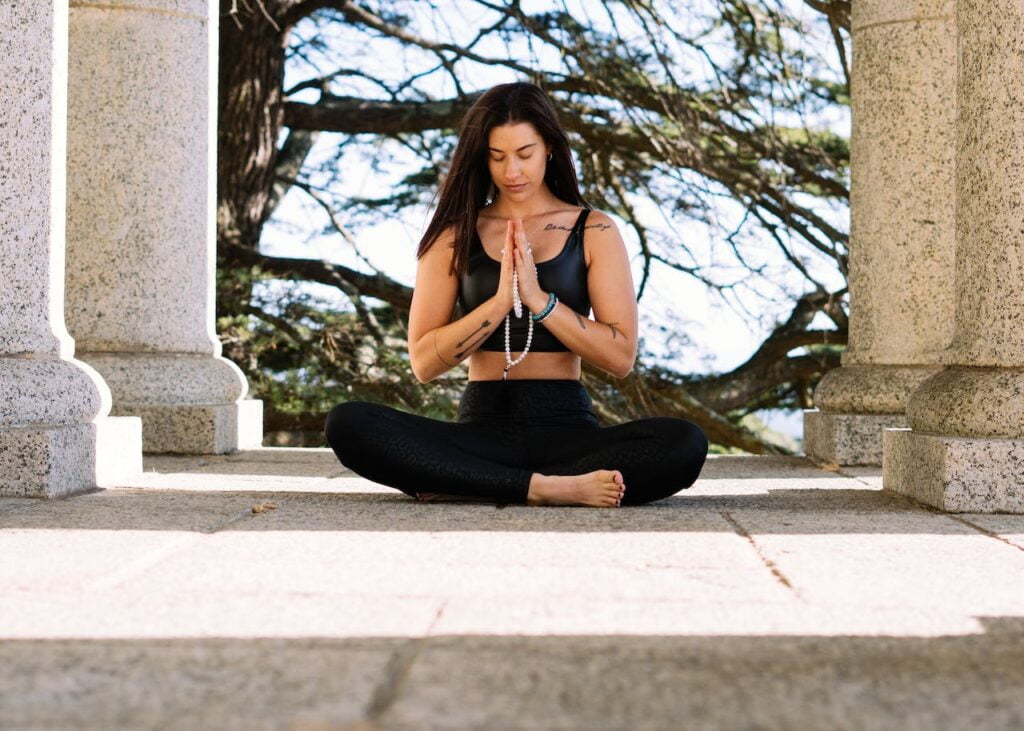
The work doesn’t end when the retreat concludes. Integration is key to making lasting changes.
- Reflect on insights: Use journals or discussions to process experiences.
- Apply practices at home: Continue meditation, journaling, or therapy exercises.
- Seek support: Follow-up sessions or support groups can help maintain progress.
Choosing the Right Psychological Retreat
Selecting the right retreat can significantly impact your experience. Consider:
- Facilitator expertise: Look for trained mental health or spiritual professionals.
- Retreat format: Decide between individual or group-focused programs.
- Duration and location: Ensure the retreat fits your schedule and comfort level.
- Safety and support: Confirm that the retreat provides a secure and nurturing environment.
Why the Temple of Umi Offers Exceptional Psychological Retreats
At the Temple of Umi, our psychological retreats are designed to support holistic healing and personal transformation. We integrate traditional therapeutic practices with plant-based ceremonies, meditation, and guided introspection to provide a comprehensive approach to mental and emotional well-being.
- Experienced facilitators: Trained in both psychological and spiritual disciplines
- Safe and sacred space: Nurturing environment promoting emotional release and clarity
- Customized programs: Retreats tailored to individual needs and intentions
- Focus on long-term growth: Emphasis on post-retreat integration and continued support
By attending a Temple of Umi psychological retreat, participants gain the tools to navigate life with greater resilience, self-awareness, and inner peace.
Final Thoughts
A psychological retreat is more than a temporary escape—it is a profound investment in your mental, emotional, and spiritual well-being. By engaging in guided practices, introspection, and supportive community, participants can experience lasting transformation. Whether you are seeking relief from stress, processing trauma, or exploring self-discovery, a psychological retreat provides the space, guidance, and tools needed to achieve meaningful personal growth.
For those ready to embark on this transformative journey, the Temple of Umi offers professional, safe, and spiritually-guided psychological retreats in Georgia, providing a sanctuary for healing and inner awakening.