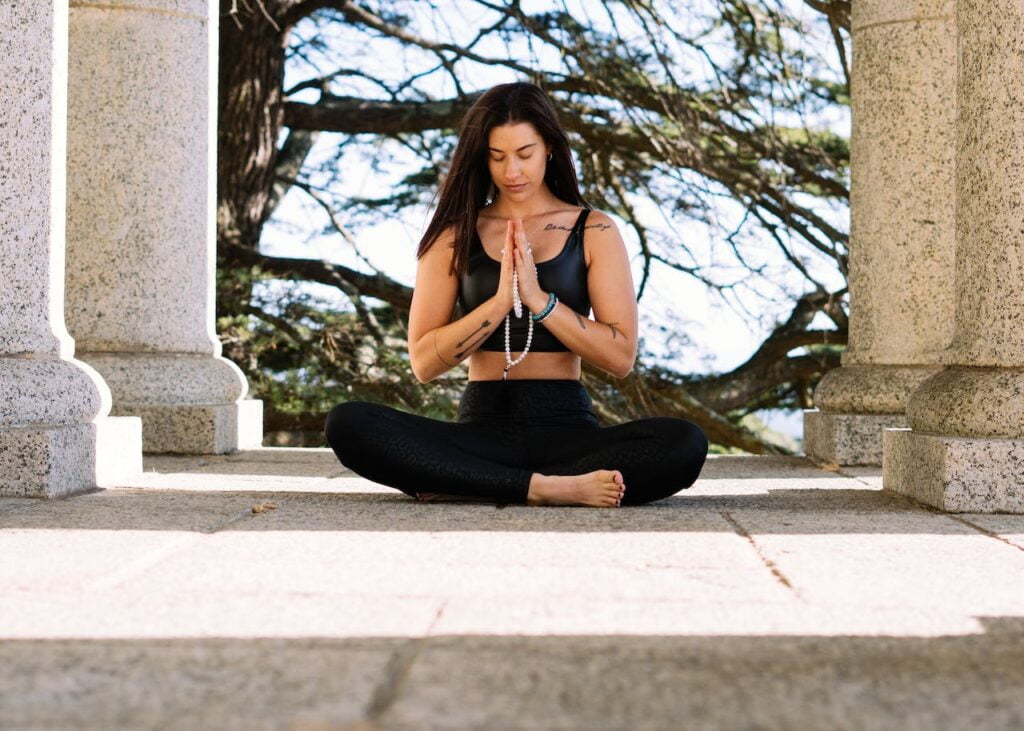
Discover the transformative power of a mental health spiritual retreat. Explore healing, self-discovery, and mindfulness practices designed to restore your mind, body, and spirit.
Overview
In this article, readers will learn how a mental health spiritual retreat can profoundly impact emotional well-being, personal growth, and spiritual awakening. We will explore what these retreats involve, the benefits they offer, and practical guidance for choosing the right retreat. By the end, readers will understand why a spiritual retreat is a valuable tool for mental health and personal transformation.
Mental Health Spiritual Retreat: A Path to Healing and Renewal
In today’s fast-paced world, stress, anxiety, and emotional burnout are common. While traditional therapies and self-care routines help, many individuals are seeking deeper healing through spiritual experiences. A mental health spiritual retreat provides a structured environment for profound inner work, offering tools and practices that foster long-term well-being.
Whether you’re struggling with anxiety, depression, trauma, or simply seeking personal growth, a retreat designed around mental health and spirituality can be life-changing.
What is a mental health spiritual retreat?
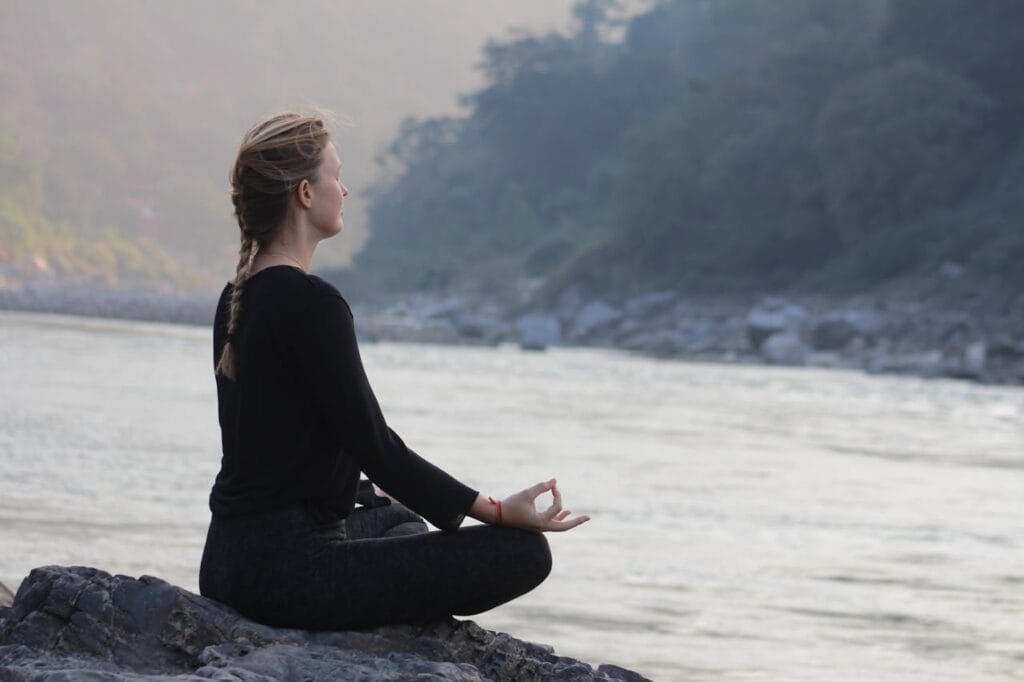
A mental health spiritual retreat is a dedicated program where individuals step away from daily life to focus on emotional and spiritual healing. These retreats integrate evidence-based mental health practices with spiritual guidance to create a holistic experience.
Key components often include:
- Mindfulness and meditation sessions
- Emotional processing and therapy circles
- Connection with nature
- Sacred rituals and ceremonies
- Nutritional guidance for mental clarity
- Yoga and movement practices
These retreats create a safe, supportive space where participants can process emotions, gain clarity, and reconnect with their inner selves.
Benefits of Attending a Mental Health Spiritual Retreat
Participating in a mental health spiritual retreat offers a wide range of benefits, both psychological and spiritual.
1. Deep Emotional Healing
Retreats provide a structured environment for participants to confront and process unresolved emotions. Through guided meditation, counseling, and ceremonial practices, attendees often experience breakthroughs in coping with trauma, anxiety, or depression.
2. Stress Reduction and Relaxation
By removing participants from the pressures of daily life, retreats create an environment conducive to relaxation. Mindfulness practices, yoga, and nature immersion reduce cortisol levels and promote mental calm.
3. Enhanced Self-Awareness
Through reflective exercises, journaling, and group discussions, participants develop greater self-awareness. This increased insight can improve decision-making, emotional regulation, and overall life satisfaction.
4. Spiritual Growth
Many retreats integrate spiritual teachings, including meditation, prayer, and ceremonial practices. This fosters a sense of purpose, connection to the Divine, and alignment between mind, body, and spirit.
5. Tools for Long-Term Mental Health
A retreat is not just a short-term escape. Participants leave with tools—such as mindfulness techniques, breathing exercises, and coping strategies—that can be incorporated into everyday life for ongoing mental wellness.
Who Can Benefit from a Mental Health Spiritual Retreat?
A mental health spiritual retreat is ideal for anyone looking to:
- Reduce stress and anxiety
- Heal from past trauma
- Break negative thought patterns
- Deepen their spiritual practice
- Gain clarity about life purpose
- Improve overall mental and emotional well-being
Even individuals without a diagnosed mental health condition can benefit by gaining insight, inner peace, and a renewed sense of direction in life.
What to Expect During a Retreat
Each retreat is unique, but participants can generally expect:
- Arrival and Orientation: Introduction to facilitators, daily schedule, and retreat guidelines.
- Meditation and Mindfulness: Daily sessions to center the mind and cultivate inner calm.
- Therapeutic Workshops: Guided emotional processing sessions, group therapy circles, or one-on-one counseling.
- Spiritual Ceremonies: Optional sacred rituals to promote self-discovery and spiritual awakening.
- Movement and Yoga Practices: Gentle exercises to release physical tension and support mental clarity.
- Nature Immersion: Time spent in natural settings to restore connection to the environment.
- Reflection and Journaling: Dedicated time for personal insights and integration of the retreat experience.
Participants often leave feeling rejuvenated, emotionally lighter, and spiritually aligned.

Tips for Choosing the Right Mental Health Spiritual Retreat
When selecting a retreat, consider the following factors:
- Accreditation and Experience of Facilitators
Ensure facilitators are trained in both mental health support and spiritual guidance. - Program Structure
Look for retreats that balance therapeutic activities with spiritual practices. - Location and Environment
A tranquil, natural setting can significantly enhance the retreat experience. - Duration
Retreats can range from a weekend to several weeks. Choose one that fits your needs and availability. - Community and Support
A supportive, nonjudgmental environment is essential for emotional and spiritual growth. - Integration Support
Some retreats offer post-retreat coaching or resources to help participants apply what they learned in daily life.
Mental Health Spiritual Retreat Practices and Techniques
Meditation and Breathwork
Mindfulness and focused breathing help calm the nervous system, reduce stress, and improve emotional regulation.
Yoga and Movement Therapy
Gentle movement releases stored tension in the body and fosters mental clarity.
Ceremonial Plant Medicine (Optional)
Some retreats incorporate sacred plant medicine to facilitate spiritual insight and emotional release under guided supervision.
Therapeutic Workshops
Interactive sessions help participants explore emotions, develop coping mechanisms, and resolve internal conflicts.
Nature Therapy
Immersion in natural environments has been shown to reduce anxiety, improve mood, and support mental recovery.
Making the Most of Your Retreat Experience
To fully benefit from a mental health spiritual retreat, consider these tips:
- Arrive with an open mind and willingness to explore.
- Set clear intentions for your retreat experience.
- Limit digital distractions to stay fully present.
- Engage actively in group sessions and ceremonies.
- Journal reflections to deepen insights.
- Integrate practices learned into your daily life after the retreat.
Final Thought
A mental health spiritual retreat offers a rare opportunity to step away from daily stress, process emotions, and reconnect with your inner self. By combining spiritual practices with mental health support, these retreats empower individuals to experience profound healing, personal growth, and long-term mental wellness.
Whether you’re seeking relief from anxiety, spiritual awakening, or personal transformation, a retreat can provide the guidance, support, and tools needed to reclaim peace, clarity, and balance in life.
Investing in your mental health and spiritual growth through a retreat is more than a getaway—it’s a journey toward lasting well-being and self-discovery.