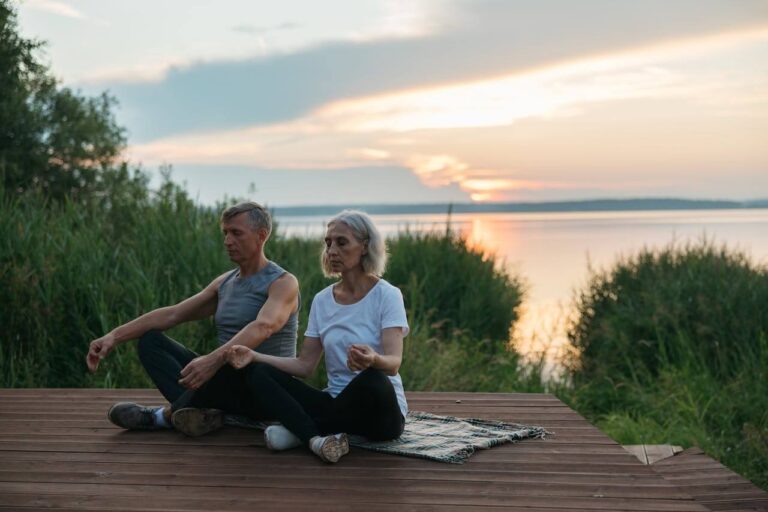

Discover how mental health retreats for depression support deep healing through mindfulness, community, and holistic therapy. Learn what to expect and how these retreats can transform your well-being.
Overview
Depression can feel overwhelming, isolating, and exhausting. Many people try therapy, medication, and lifestyle changes yet still feel stuck in cycles of sadness, burnout, or emotional numbness. For those seeking a deeper level of healing, mental health retreats for depression offer a transformative environment designed to support emotional recovery, self-discovery, and inner peace.
Unlike traditional clinical treatments, retreats create immersive experiences that allow individuals to step away from daily stress and reconnect with themselves. Through mindfulness practices, therapeutic guidance, community support, and spiritual exploration, these retreats provide powerful tools for long-term healing.
Organizations such as Temple of Umi offer sacred retreat environments focused on personal transformation, emotional healing, and spiritual growth. These spaces are designed to help participants address deep emotional wounds while rediscovering hope and meaning in their lives.
Understanding Depression Beyond Traditional Treatment
Depression is more than simply feeling sad. It can affect every part of a person’s life, including relationships, physical health, energy levels, and motivation.
Common symptoms may include:
- Persistent sadness or emptiness
- Loss of interest in activities once enjoyed
- Fatigue and lack of energy
- Difficulty concentrating
- Changes in sleep or appetite
- Feelings of hopelessness or worthlessness
While therapy and medication can be effective for many individuals, some people benefit from more immersive healing experiences. This is where mental health retreats for depression can provide a powerful complementary approach.
Retreats create a supportive setting where participants can focus fully on healing without the distractions and stressors of everyday life.

What Are Mental Health Retreats for Depression?
Mental health retreats for depression are structured wellness programs designed to help individuals address emotional challenges in a supportive and peaceful environment.
These retreats typically take place in natural settings that promote relaxation, reflection, and personal growth. Participants are guided through therapeutic practices that help release emotional blockages and develop healthier mental patterns.
Key elements of many retreats include:
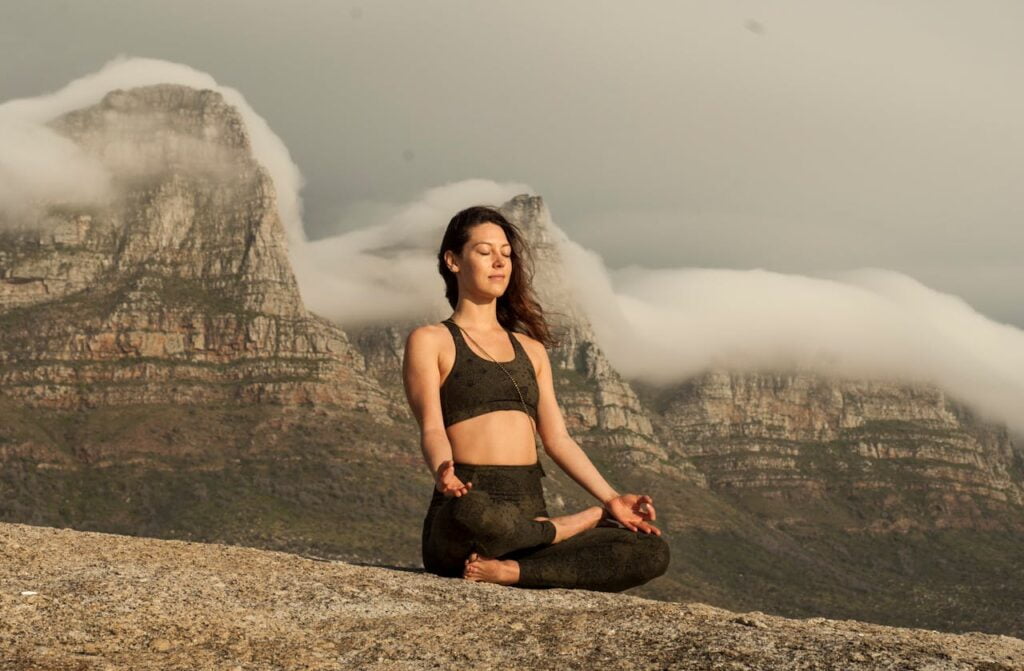
- Guided meditation and mindfulness practices
- Emotional processing and group sharing
- Nature immersion and outdoor healing activities
- Spiritual exploration and self-reflection
- Stress reduction techniques
- Holistic wellness practices
By stepping outside their usual environment, participants often gain new perspectives on their struggles and develop healthier ways to cope with life’s challenges.
Why Retreat Environments Support Mental Health Healing
One of the most powerful aspects of mental health retreats for depression is the environment itself.
Daily life is often filled with responsibilities, social pressure, and digital distractions that make it difficult to focus on emotional healing. Retreat settings intentionally remove these stressors, allowing participants to fully engage in their personal transformation.
Key Benefits of Retreat Settings
- Distance from daily stressors – Participants temporarily leave behind work pressures and personal obligations.
- Connection with nature – Natural surroundings support relaxation and emotional balance.
- Focused healing time – Retreat schedules are designed around wellness and self-reflection.
- Supportive community – Being surrounded by others on similar healing journeys reduces feelings of isolation.
This immersive experience can create breakthroughs that are difficult to achieve through weekly therapy sessions alone.
Healing Practices Used in Mental Health Retreats
Different retreats offer unique approaches, but most mental health retreats for depression incorporate a variety of therapeutic practices designed to support emotional healing.
Mindfulness and Meditation
Mindfulness helps individuals become more aware of their thoughts and emotions without judgment. Meditation practices can reduce stress, increase emotional resilience, and improve mental clarity.
Benefits of mindfulness include:
- Reduced anxiety and rumination
- Improved emotional regulation
- Greater self-awareness
- Increased sense of calm
Emotional Release and Healing Work
Retreat facilitators often guide participants through exercises that allow suppressed emotions to surface in a safe and supportive environment.
These sessions may involve:
- Guided reflection
- Breathwork practices
- Therapeutic sharing circles
- Trauma-informed emotional processing
Spiritual and Personal Growth Practices
Some retreats integrate spiritual traditions that help individuals explore deeper meaning and connection.
This may include:
- Ritual or ceremonial practices
- Energy healing work
- Nature-based spiritual activities
- Personal intention setting
Spiritual exploration can provide a sense of purpose and hope that is often missing during periods of depression.
Who Can Benefit from Mental Health Retreats for Depression?
While everyone’s healing journey is unique, mental health retreats for depression may be particularly helpful for individuals who:
- Feel stuck in long-term emotional patterns
- Experience burnout or chronic stress
- Want deeper personal transformation
- Are seeking holistic healing approaches
- Need time away from daily responsibilities to focus on recovery
Retreats can be especially beneficial for those who have already tried traditional treatments but are looking for additional tools to support their healing process.
However, it is important to choose retreats that prioritize safety, professional guidance, and emotional integration support.
What to Expect During a Mental Health Retreat
Many people feel nervous about attending their first retreat because they don’t know what to expect. Fortunately, most mental health retreats for depression are designed to create a safe and supportive environment from the moment participants arrive.
A typical retreat experience may include
- Welcome orientation and intention setting
- Daily meditation or mindfulness sessions
- Group healing circles and emotional sharing
- Guided personal reflection time
- Nature walks or grounding activities
- Workshops focused on emotional growth
- Closing integration sessions
Participants often describe retreats as both challenging and deeply rewarding. Emotional breakthroughs may occur, but they are supported by trained facilitators who guide the healing process.
The Importance of Community in Healing Depression
Depression often creates feelings of loneliness and isolation. One of the most powerful elements of mental health retreats for depression is the opportunity to connect with others on similar journeys.
Shared experiences create a sense of understanding and compassion that can be difficult to find elsewhere.
Community support provides the following:
- Validation of personal struggles
- Encouragement during difficult moments
- Opportunities for authentic connection
- A reminder that healing is possible
Many participants leave retreats with new friendships and support networks that continue long after the program ends.
Integrating Retreat Insights Into Everyday Life
The goal of mental health retreats for depression is not just temporary relief—it is long-term transformation.
After a retreat, participants are encouraged to integrate what they learned into their daily lives.
Common integration practices include:
- Continuing mindfulness or meditation routines
- Journaling emotional insights
- Maintaining supportive relationships formed during the retreat
- Working with therapists or coaches to deepen healing work
- Creating healthier lifestyle habits
When these practices are maintained, the benefits of a retreat can continue to grow over time.
Why Holistic Healing Matters in Depression Recovery
Depression is rarely caused by a single factor. Emotional trauma, lifestyle stress, spiritual disconnection, and physical health can all play a role.
That is why mental health retreats for depression often focus on holistic healing approaches that address the mind, body, and spirit.
Holistic wellness may include:
- Emotional therapy and self-reflection
- Mindfulness and meditation
- Physical movement and relaxation practices
- Spiritual exploration
- Nutritional support and healthy lifestyle guidance
By addressing the whole person rather than just symptoms, retreats can support deeper and more sustainable healing.
Final Thoughts: A Transformational Path Toward Healing
Healing from depression is not always a straight path. Many people need different tools, environments, and experiences to rediscover balance and emotional well-being.
Mental health retreats for depression offer a unique opportunity to step away from everyday stress, reconnect with your inner self, and explore powerful healing practices in a supportive environment.
For individuals seeking deeper emotional transformation, retreats provide space for reflection, connection, and renewal. When combined with professional guidance and long-term integration practices, these experiences can become a meaningful step toward lasting mental wellness.
If you feel called to explore a more immersive healing journey, a carefully chosen retreat may provide the clarity, support, and renewal you have been searching for.