

Discover the best foods for yoga that enhance energy, focus, and flexibility. Learn what to eat before and after practice for optimal results and holistic wellness.
Overview
In this blog post, readers will learn about the essential foods for yoga that support energy, focus, mental clarity, and physical flexibility. We will cover what to eat before yoga, post-practice nutrition, and key superfoods that align with a yogic lifestyle. By the end, you’ll understand how the right diet can enhance your yoga practice, improve overall health, and create balance between body and mind.
Introduction
Yoga is not just a physical practice; it’s a holistic approach that nurtures the mind, body, and spirit. To get the most out of your yoga sessions, what you eat plays a crucial role. Consuming the right foods for yoga can help increase energy levels, improve concentration, and support recovery after practice. Conversely, heavy, processed, or unsuitable foods can leave you feeling sluggish and affect your performance on the mat.
This guide will explore the best dietary choices for yogis, including pre- and post-yoga meals, snacks, and nutrient-rich superfoods.
Why Nutrition Matters in Yoga
The yogic philosophy emphasises balance in all areas of life, including diet. The foods you consume impact:
- Energy Levels: Proper nutrition fuels the body for both gentle and vigorous yoga sessions.
- Flexibility and Recovery: Nutrient-rich foods aid muscle recovery and joint health.
- Mental Clarity: Foods influence concentration, meditation, and emotional stability.
- Detoxification: A clean diet supports the body’s natural detox processes, complementing yoga practices like pranayama and asanas.
Understanding these principles helps yogis make mindful choices that align with their practice and overall well-being.
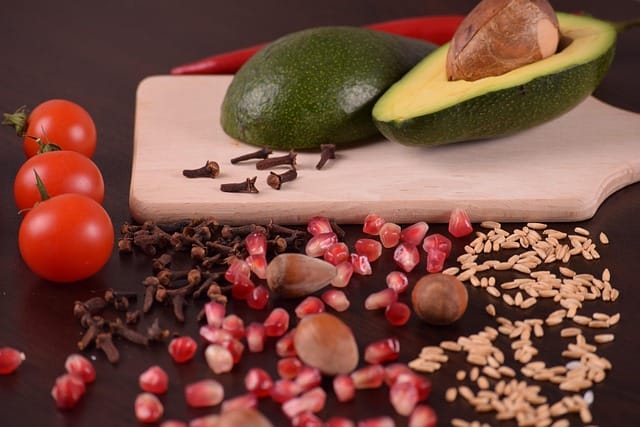
Best Foods for Yoga Practice
Here’s a breakdown of the most beneficial foods for yoga, categorised by their role and timing in your daily routine.
Pre-Yoga Foods
Eating the right foods before your practice ensures you have adequate energy without feeling heavy.
- Bananas: Rich in potassium, they prevent muscle cramps and provide quick energy.
- Oats: A light, slow-digesting carbohydrate that sustains energy.
- Dates: High in natural sugars and fibre, perfect for a quick energy boost.
- Smoothies: Blend fruits, leafy greens, and plant-based milk for hydration and light nutrition.
- Nuts and Seeds: Small amounts of almonds or chia seeds offer protein and healthy fats without feeling heavy.
Tip: Avoid heavy, fried, or highly processed foods before yoga, as they can cause sluggishness or discomfort during practice.
Post-Yoga Nutrition
After yoga, your body requires nourishment to restore energy, repair muscles, and maintain hydration.
- Quinoa: A complete protein source that aids muscle recovery.
- Leafy Greens: Spinach, kale, and collard greens replenish vital vitamins and minerals.
- Avocado: Provides healthy fats to reduce inflammation and support joint health.
- Coconut Water: Rehydrates and restores electrolytes naturally.
- Herbal Teas: Chamomile, ginger, or peppermint tea helps relax the body and support digestion.
Tip: Focus on fresh, light, and nutrient-dense foods after yoga for optimal recovery and balance.
Superfoods for Yoga
Certain superfoods are especially beneficial for yogis due to their high nutrient density and holistic benefits:
- Turmeric: Anti-inflammatory properties reduce soreness and support joint health.
- Ginger: Improves digestion and reduces inflammation.
- Berries: Antioxidants support overall wellness and combat oxidative stress.
- Goji Berries: Enhance energy and immunity.
- Spirulina: High in protein, vitamins, and minerals, perfect for plant-based yogis.
Including these superfoods in your diet promotes vitality, flexibility, and sustained energy for yoga practice.
Balanced Meals for Yogis
A balanced yogic meal includes:
- Carbohydrates: Oats, quinoa, and brown rice for energy.
- Protein: Legumes, tofu, tempeh, nuts, and seeds for muscle repair.
- Healthy Fats: Avocado, olive oil, nuts, and seeds to reduce inflammation.
- Fruits & Vegetables: Seasonal produce for vitamins, minerals, and antioxidants.
Example Meal Plan:
- Breakfast: Banana smoothie with chia seeds and almond milk.
- Lunch: Quinoa salad with spinach, avocado, cherry tomatoes, and pumpkin seeds.
- Snack: Dates or a handful of almonds.
- Dinner: Lentil soup with a side of steamed vegetables and herbal tea.
Foods to Avoid for Yoga Practice
Certain foods can hinder your yoga performance and overall health:
- Processed Foods: Chips, pastries, and refined sugar cause energy crashes.
- Heavy Dairy: May lead to bloating and sluggishness.
- Fried Foods: Difficult to digest and may reduce flexibility.
- Caffeine & Alcohol: Can dehydrate the body and affect focus.
Focusing on whole, fresh, and minimally processed foods is key for a successful yoga lifestyle.

Mindful Eating for Yoga
Mindful eating complements your yoga practice. Key practices include:
- Eating slowly and savouring each bite.
- Listening to your body’s hunger and fullness cues.
- Avoiding distractions like phones or TV during meals.
- Choosing foods with intention, focusing on nourishment and energy.
Mindful eating ensures that your nutrition supports not just physical performance but also mental clarity and emotional balance.
Integrating Yogic Foods into Daily Life
Here are some practical tips to integrate foods for yoga into your daily routine:
- Meal Prep: Prepare smoothies, salads, and snacks ahead of time.
- Seasonal Eating: Choose fruits and vegetables that are in season for maximum nutrients.
- Hydration: Drink plenty of water and herbal teas to stay hydrated.
- Plant-Based Focus: Incorporate more plant-based meals for lighter digestion and energy.
- Mindful Snacks: Opt for nuts, seeds, and fruits instead of processed snacks.
Final Thought
Choosing the right foods for yoga is an essential part of a holistic practice. By fuelling your body with energy-rich, easily digestible, and nutrient-dense foods, you can enhance flexibility, focus, and overall well-being. Remember: nutrition is not just about physical performance—it supports mental clarity, emotional balance, and spiritual growth, aligning perfectly with the yogic path.
Integrate pre- and post-yoga foods, superfoods, and mindful eating practices into your daily routine, and watch your yoga practice flourish like never before.