Indigenous use of ayahuasca
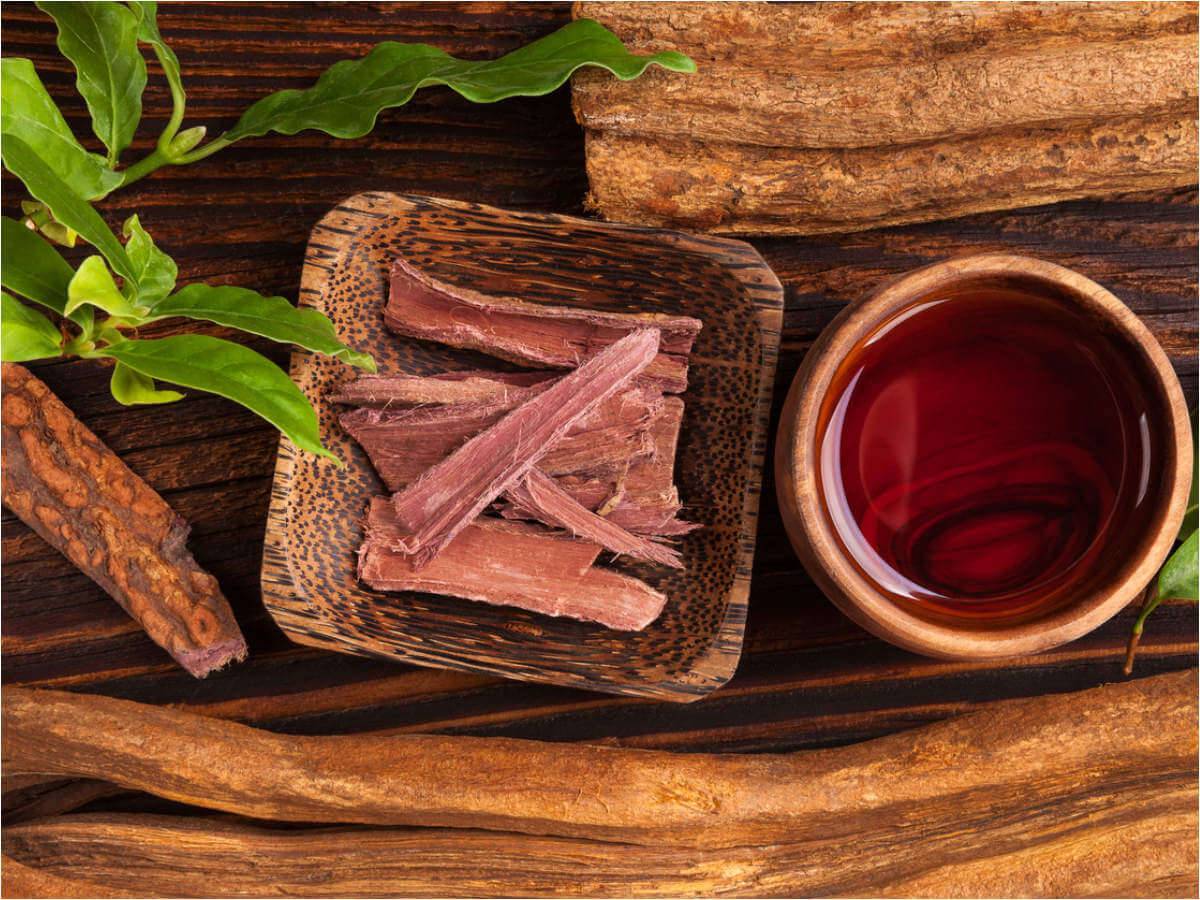
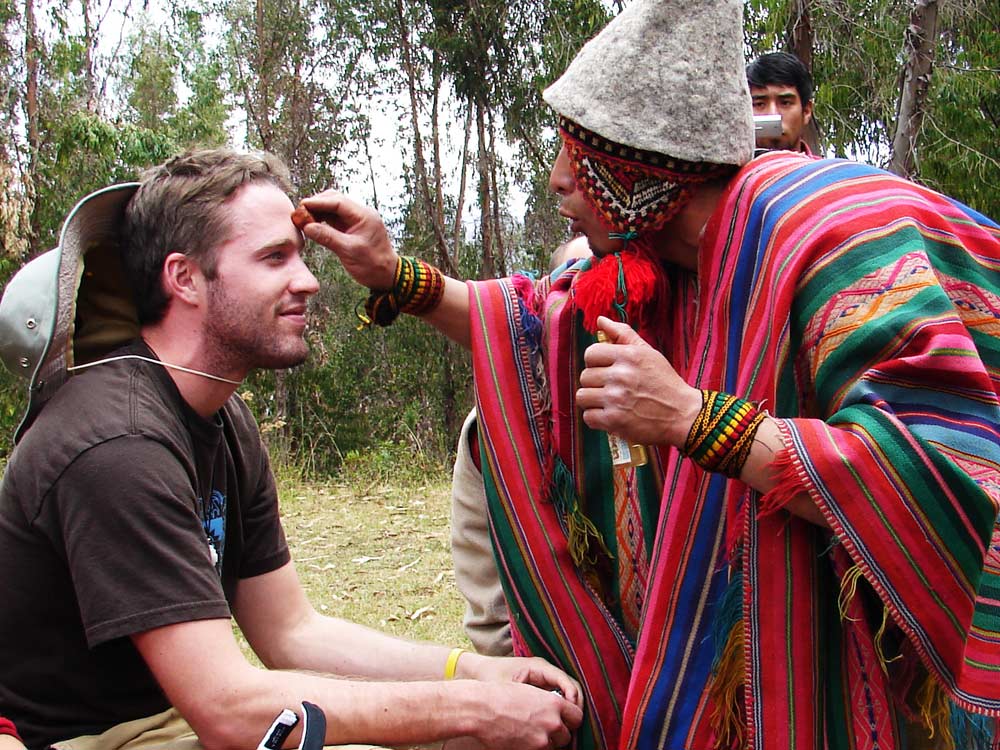
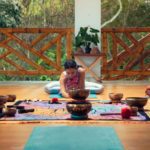
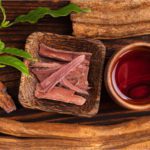
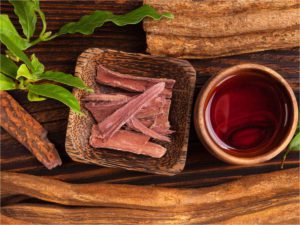
Explore the traditional indigenous use of ayahuasca, understanding its cultural significance, and the challenges of preserving this ancient practice in the modern world. Introduction Ayahuasca, a potent and sacred brew, has its roots deeply embedded in the rich soils of Amazonian spiritual traditions. Originating from the indigenous tribes of the Amazon, this entheogenic concoction has been used for centuries, weaving a tapestry of spiritual enlightenment, healing, and community bonding. The indigenous use of ayahuasca is not just about consuming a psychoactive drink; it represents a profound journey into the self, guided by ancestral wisdom and rituals. As we explore this ancient practice, it’s paramount to approach with respect and an earnest desire to understand the depth of these indigenous traditions rather than merely seeking an exotic experience. Historical Context and Significance Origins of Ayahuasca Use Among Indigenous Communities The indigenous use of ayahuasca dates back to ancient times, with evidence suggesting its use in ceremonial practices for at least a thousand years. Indigenous tribes across the Amazon basin have passed down the knowledge of ayahuasca through generations, embedding it as a cornerstone of their cultural and spiritual identity. This brew, made from the ayahuasca vine (Banisteriopsis caapi) and often combined with the leaves of the chacruna plant (Psychotria viridis), serves as a bridge to the spiritual world, offering healing and insights that are integral to the community’s fabric. Spiritual and Cultural Significance of Ayahuasca in Traditional Ceremonies For indigenous communities, ayahuasca is more than a substance; it is a sacred entity. The indigenous use of ayahuasca in rituals facilitates profound spiritual journeys. It is believed to connect individuals with the spirit realm, allowing them to communicate with ancestors, understand the deeper truths of existence, and find healing from physical and psychological ailments. These ceremonies, steeped in ritual and reverence, underscore the deep connection between the people, their environment, and the spiritual world. Learn more. The Ritualistic Preparation and Consumption of Ayahuasca The Sacred Process: Selecting and Preparing the Ayahuasca Vine and Other Ingredients The preparation of ayahuasca is a meticulous process, handled with great care and respect. Indigenous shamans select the ayahuasca vine and chacruna leaves based on their knowledge of the plants’ spirits and healing properties. The ingredients are then cleaned and boiled for hours, sometimes days, to extract the potent brew. This process is often accompanied by prayers and chants, invoking the spirits to bless the ayahuasca, making the preparation phase as spiritually significant as the consumption itself. Traditional Settings: The Ceremonial Space and Its Significance The setting for the indigenous use of ayahuasca is carefully chosen to foster a safe and sacred environment. Ceremonies are typically held in a maloca (a communal house) or nature, surrounded by the Amazonian forest, which is considered a living entity that participates in the healing. The space is arranged to support the participants’ journey, often with the shaman or spiritual leader at the center, guiding the ceremony with songs, chants, and sometimes musical instruments like the ikaros. Roles and Responsibilities: The Shaman or Spiritual Leader’s Role in Guiding the Experience The shaman plays a pivotal role in the indigenous use of ayahuasca. With years, sometimes decades, of training and experience, the shaman guides participants through their ayahuasca journey, navigating the complexities of the spiritual realm. They use their knowledge to interpret visions, provide healing, and ensure the safety of all participants. Their presence is a reassuring anchor, offering support and understanding to those embarking on this profound spiritual journey. Ayahuasca’s Spiritual and Healing Dimensions Healing the Body and Soul: Stories of Transformation and Renewal Ayahuasca, a brew with deep roots in the traditions of indigenous communities of the Amazon basin, has been central to stories of profound personal transformation and renewal. Individuals who have participated in ayahuasca ceremonies often report significant emotional, psychological, and even physical healing. These experiences include overcoming deep-seated traumas, battling addictions, and experiencing a rebirth of the self. According to participants’ testimonies, the main ingredient, a vine known scientifically as Banisteriopsis caapi, combined with other plants, typically Psychotria viridis, unlocks these transformative journeys. Visions and Teachings: How Ayahuasca Facilitates Communication with the Spiritual World Ayahuasca is not just a means to heal; it is also a bridge to the spiritual world. Many describe the visions induced by ayahuasca as direct communications with the realm beyond our ordinary experiences. Indigenous communities and shamans often interpret these visions as teachings or messages from the ancestors, spirit guides, or the natural world itself. Community and Belonging: The Role of Ayahuasca Ceremonies in Strengthening Communal Ties Ayahuasca ceremonies are deeply communal events where participants share in a collective journey of discovery and healing. These ceremonies reinforce bonds within the community, creating a sense of belonging and mutual support that extends beyond the ceremony itself. The Ethnobotanical Knowledge of Indigenous Peoples Plant Wisdom: Understanding the Ecological and Medicinal Knowledge of Indigenous Communities Indigenous communities possess an intricate understanding of the flora and fauna surrounding them, developed over generations of direct interaction and observation. This ethnobotanical knowledge includes using ayahuasca not only for its psychoactive properties but as a part of a more extensive system of plant-based healing and ecological wisdom. Conservation and Sustainability: Indigenous Approaches to Preserving Ayahuasca and Its Habitat Indigenous communities are leading efforts to conserve the Amazon rainforest, including plants like ayahuasca that call it home. Their traditional practices offer lessons in sustainability, emphasizing the need to protect these ecosystems for future generations. By weaving together the spiritual, communal, and ecological threads of ayahuasca’s story, we can begin to appreciate the depth of its significance to the indigenous peoples who have been its guardians for centuries. This holistic understanding underscores the importance of respecting and preserving the knowledge and the land that sustains this powerful plant medicine. Challenges and Considerations in the Modern World The indigenous use of ayahuasca, a potent and sacred plant brew with deep-rooted ceremonial purposes, faces significant challenges and considerations as it intersects with the modern world. These issues span cultural, legal, and ethical dimensions, each demanding careful attention and respect. Final words