BLOG POST

Chakra meditation,Shamanic healing with Ayahuasca ,Mystical Experiences, Divine Connection, Ayahuasca education

Chakra meditation

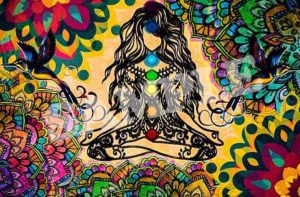
Unlock the transformative power of Chakra Meditation with our comprehensive guide. Discover techniques, benefits, and resources to balance your chakras and embark on a journey towards inner peace and holistic well-being. Start your path to enlightenment today. Introduction Chakra meditation is a form of mindfulness and spiritual practice that focuses on activating and balancing our body’s seven main energy centers, known as chakras. Originating from ancient Indian philosophy, this meditation technique is more than just a practice for inner peace; it’s a transformative journey that harmonizes the mind, body, and spirit. The importance of chakra balancing cannot be overstated—it is essential for fostering mental clarity, emotional stability, and physical health. By engaging in chakra meditation, individuals can unlock a deeper understanding of themselves and experience a profound sense of harmony and wellbeing. What Are Chakras? Definition and origins of the chakra system: The concept of chakras first appeared in the Vedas, ancient sacred texts of spiritual knowledge dating back to 1500-500 BC. In Sanskrit, “chakra” means “wheel” or “disk,” which symbolizes the idea of a vortex of energy that resides in the human body. These energy centers are not physical entities but are considered the focal points for the reception and transmission of energy. Overview of the seven main chakras in the body: Benefits of Chakra Meditation Engaging in Chakra Meditation provides many advantages that touch upon our wellbeing’s mental, emotional, and physical aspects. Here’s how embarking on this transformative journey can benefit you: Preparing for Chakra Meditation To reap the full benefits of Chakra Meditation, proper preparation is critical. Here’s how to set the stage for a fruitful meditation session: Step-by-Step Guide to Chakra Meditation Embarking on a journey through chakra meditation can be transformative, guiding you to a deeper understanding and balance within. This step-by-step guide is designed to help you navigate the basics of chakra meditation, enhancing your mental, emotional, and spiritual wellbeing. Detailed Instructions for a Basic Chakra Meditation Session Tips for Visualizing and Unlocking Each Chakra Incorporating Mantras and Affirmations for Deeper Engagement Advanced Chakra Meditation Techniques Using Crystals and Essential Oils for Enhanced Meditation Guided Chakra Meditation Sessions for Deeper Exploration Combining Yoga and Chakra Meditation for Holistic Benefits These practices make chakra meditation a powerful tool for personal growth and spiritual awakening. Whether seeking to alleviate stress, enhance creativity, or foster inner peace, these techniques offer a pathway to a balanced and fulfilling life. Overcoming Common Challenges in Chakra Meditation Embarking on a journey through chakra meditation can be both enlightening and challenging. You may encounter obstacles that test your resolve as you seek to align your energy centers. Here’s how to navigate these challenges and maintain a harmonious practice. Dealing with Distractions and Maintaining Focus Managing Expectations and Measuring Progress Adjusting Practices for Unique Individual Needs Integrating Chakra Meditation into Daily Life Making chakra meditation a part of your daily routine can transform it from a practice into a lifestyle, enhancing your wellbeing and decision-making process. Short Practices for Busy Schedules Using Chakra Meditation Principles for Decision-Making and Problem-Solving Cultivating a Lifestyle That Supports Chakra Balance Incorporating chakra meditation into your daily life enriches your growth journey and ensures you move through the world with greater intention, balance, and harmony. Whether you’re navigating challenges in your practice or weaving the principles of chakra alignment into your everyday life, remember that each step forward is a step toward greater self-awareness and inner peace. Final words Chakra meditation is a beacon of transformation and enlightenment in the journey toward inner peace and personal growth. Its profound impact on our mental, emotional, and physical wellbeing cannot be overstated. It offers a pathway to harmony that resonates deeply within the core of our being. By engaging with this ancient practice, we unlock the doors to a balanced and fulfilled life, tapping into the infinite potential that lies dormant within us. We wholeheartedly encourage you to delve deeper into the world of chakra meditation. Whether you are a beginner seeking to understand the basics or an experienced practitioner aiming to expand your knowledge, there is always more to discover. The journey of exploring your chakras is profoundly personal and endlessly rewarding, offering new insights and revelations at every turn. For those eager to continue their exploration, a wealth of resources awaits: Embarking on a chakra meditation practice is a journey toward self-discovery and holistic wellbeing. As you continue exploring and deepening your practice, remember that the journey is as important as the destination. Embrace each moment, and let the transformative power of chakra meditation illuminate your path to inner peace.

Read More »
Meditation for beginners

Meditation for beginners

Embark on a transformative journey with meditation for beginners. Uncover the power of mindfulness in daily life, explore advanced meditation techniques, and join a community eager to share experiences and insights. Start your path to inner peace today. Introduction In the hustle and bustle of modern life, finding a moment of peace can seem like searching for a needle in a haystack. Yet, the ancient practice of meditation has surged in popularity as a beacon of tranquillity in our chaotic world. Meditation for beginners offers a gateway to this serene realm, inviting individuals to explore the profound benefits of mindfulness and inner silence. Its growing appeal lies in its simplicity and its profound ability to enhance well-being and quality of life. The importance of meditation for beginners cannot be overstated. Starting this journey can transform one’s approach to life’s stressors, foster a greater sense of calmness, and enhance overall health. Let’s embark on this enlightening path, unravelling the essence of meditation and the variety of techniques tailored for newcomers. Understanding Meditation The Essence of Meditation Meditation is the practice of focusing the mind and achieving a state of deep peace. Its historical roots trace back thousands of years, with references in ancient texts across various cultures and traditions. Despite its age-old origin, meditation remains relevant, addressing the timeless quest for tranquility and self-discovery. Common misconceptions about meditation often deter beginners. Many believe it requires emptying the mind of thoughts or possessing a unique talent for concentration. However, meditation is about observing thoughts without judgment and finding calmness amidst mental activity, making it accessible to everyone. Learn more. Types of Meditation Techniques for Beginners Diving into meditation introduces beginners to techniques with unique benefits and approaches. Here are a few to consider: Each technique offers a unique path for beginners to explore meditation’s transformative power. By starting with these foundational practices, newcomers can embark on a journey of self-exploration and discovery, unlocking the numerous benefits of meditation. Benefits of Meditation Transforming Mind and Body Embarking on a meditation journey offers a profound transformation of the mind and body. This ancient practice, once the preserve of monks and mystics, has now found its place in the modern wellness toolkit due to its undeniable benefits. The Science Behind Meditation The transformative power of meditation is not just anecdotal; a growing body of scientific research backs it. The convergence of personal experiences and scientific research paints a clear picture: meditation is a powerful tool for transforming mind and body, offering a path to improved health, emotional balance, and self-awareness. Meditation provides a proven pathway to achieving these goals, whether seeking to reduce stress, improve physical health, or deepen emotional resilience. Learn more. Preparing for Meditation Setting Up Your Meditation Space Embarking on your meditation journey begins with crafting a personal sanctuary that invites tranquility and focus. Here are critical steps to setting up your meditation space: What You Need to Get Started Meditation doesn’t require elaborate setups or expensive gear. Here’s what you need: Meditation Techniques and Practices for Beginners Step-by-Step Guide to Your First Meditation Embarking on meditation for beginners can seem daunting, but with these simple steps, you’ll find your rhythm: Overcoming Common Challenges Meditation is a skill that improves with practice. Here are tips for navigating common hurdles: Enhancing Your Meditation Experience Incorporating Mindfulness into Daily Life Embarking on a meditation journey opens the door to a more mindful existence, transforming ordinary moments into opportunities for deep presence and peace. Mindfulness, the art of being fully present and engaged with the now without judgment, can be woven into the fabric of daily life with simple yet profound exercises: Advanced Techniques and Resources As your meditation practice evolves, exploring advanced techniques and resources can further enrich your experience: Final words As a beginner, your journey into meditation and mindfulness is a path of discovery, growth, and transformation. By incorporating mindfulness into daily life and exploring advanced techniques and resources, you unlock more profound layers of peace, presence, and awareness. We encourage you to continue exploring the vast landscapes of meditation, deepen your practice, and embrace the journey with openness and curiosity. Please share your experiences, challenges, and triumphs with us and the wider community. Your journey is unique yet resonates with the collective exploration of human consciousness and well-being.

Read More »
Zen meditation

Zen meditation

Dive into the essence of Zen practice as a continuous journey of self-discovery and growth. Find resources to deepen your Zen Meditation practice and connect with a global community. Introduction Unveiling the Essence of Zen Meditation Zen meditation, a practice deeply rooted in Buddhist tradition, invites us to experience peace and clarity that transcends the everyday chaos of our lives. It’s more than just a technique; it’s a journey towards inner silence and understanding the true nature of our being. Zen meditation encourages us to sit in stillness, breathe deeply, and observe our thoughts without attachment, leading to a profound sense of harmony and presence. The Historical Roots of Zen Meditation The origins of Zen meditation trace back to the 6th century when it emerged within the Mahayana Buddhism tradition in China, known as Chan Buddhism. It was later introduced to Japan, where it evolved into Zen as we know it today. This practice was built on simplicity, direct experience, and personal enlightenment, offering a path to spiritual awakening that has influenced millions worldwide. Learn more. The Zen Philosophy Understanding the Zen Mindset The Zen mindset is anchored in the here and now. It emphasizes living fully in the present moment, letting go of attachments and preconceived notions that cloud our true nature. This mindset is not about accumulating knowledge but about emptying ourselves of it, allowing for a direct experience of reality as it is. Through Zen meditation, practitioners cultivate this profound awareness and openness to each moment. Zen Buddhism: The Foundation of Zen Meditation Zen Buddhism serves as the spiritual foundation for Zen meditation, offering a rich tapestry of teachings and practices aimed at enlightenment. At its core, Zen Buddhism teaches that enlightenment is attainable for everyone through direct personal experience rather than through texts or dogma. This belief underscores the practice of Zen meditation, where insight and understanding are gained not through intellectual pursuit but through disciplined training and introspection. The Principle of Mindfulness in Zen Preparing for Zen Meditation Creating Your Zen Space: Setting the Environment To embark on the journey of Zen meditation, your environment plays a pivotal role. A Zen space is not just a physical location but a gateway to tranquility and mindfulness. Here are steps to create yours: The Importance of Posture in Zen Meditation In Zen meditation, posture is fundamental. It’s not merely about comfort but aligning the body and mind. Key aspects include: Zen Attire: Dressing for Comfort and Focus What you wear during Zen meditation significantly affects your practice. Comfortable, loose-fitting clothes are recommended for several reasons: The Practice of Zen Meditation The Basics: Breathing Techniques and Mindful Awareness The foundation of Zen meditation lies in mindful breathing and awareness. Here’s how to begin: Zazen: The Art of Sitting Zen Meditation Zazen, or seated meditation, is the core of Zen practice: Kinhin: Integrating Movement with Meditation Kinhin is the practice of walking meditation, offering a dynamic aspect to Zen meditation: Managing Expectations and Common Challenges Zen meditation is a practice of patience and persistence. Here are tips to navigate everyday challenges: Incorporating Zen into Daily Life Finding serenity in the fast-paced whirlwind of modern life can often feel like searching for a whisper in a storm. Zen meditation emerges as a beacon of calm, offering tools and practices to manage stress and enhance our overall well-being. Here’s how Zen can be seamlessly woven into the fabric of our daily routines: Zen Meditation for Stress Management The Role of Zen in Enhancing Concentration and Creativity Zen Practices for Emotional Balance and Inner Peace Advanced Zen Meditation Techniques For those who have begun to tread the path of Zen and wish to delve deeper, advanced techniques offer a profound exploration of the mind and spirit. These practices can enhance your Zen journey, leading to more significant insights and inner transformation. Koan Practice: The Use of Paradoxical Questions in Zen The Significance of Silent Retreats in Deepening Zen Practice The Global Influence of Zen Meditation Zen Meditation in the West: Adoption and Adaptation Zen meditation, deeply rooted in Buddhist tradition, has traversed oceans to significantly impact the Western world. Its journey westward began in earnest in the mid-20th century, facilitated by pioneering Zen masters and intrigued Western seekers. This cultural exchange led to adapting Zen practices, making them accessible to a broader audience while preserving their essence. The Impact of Zen Meditation on Health and Wellness The global spread of Zen meditation has profoundly impacted the health and wellness landscape. Its practices offer a holistic approach to well-being, addressing physical, mental, and emotional health. Final words The Continuous Journey of Zen Practice Zen meditation is not merely a practice but a journey—a continuous path of discovery, growth, and understanding. It invites practitioners to explore the depths of their being, embrace the present moment, and cultivate a peaceful coexistence with the world. The journey of Zen practice is lifelong, offering endless opportunities for personal and spiritual development. Further Resources for Zen Meditation Enthusiasts For those drawn to the path of Zen meditation, a wealth of resources awaits to support and enrich your practice:

Read More »
Vipassana meditation ,Awakening the Soul:, Spiritual Insights

Vipassana Meditation

Explore the enriching world of Vipassana meditation and its community. Dive into the benefits, support networks, and guidance from mentors to transform your practice and life. Embrace the journey towards inner peace and enlightenment with our comprehensive guide. Introduction Vipassana Meditation: A Path to Inner Tranquility and Awareness Vipassana Meditation is a profound practice aimed at achieving deep self-awareness and purifying the mind from impurities through introspection and mindfulness. Originating from the time of Gautama Buddha over 2,500 years ago, Vipassana has traversed centuries, maintaining its essence while spreading across cultures and borders. This ancient technique, meaning “to see things as they are,” has found a place in contemporary life, offering solace and clarity in a world often marked by chaos and distraction. Historical Roots and Global Spread The journey of Vipassana Meditation from the quiet corners of ancient India to the bustling cities of the modern world is a testament to its timeless relevance. Taught originally in Pali, the language of Buddha, Vipassana, was preserved in the Theravada Buddhist tradition. In the 20th century, figures like S.N. Goenka played a pivotal role in introducing Vipassana to a global audience, establishing centers worldwide where individuals from all walks of life could learn and practice. The Significance of Vipassana in Contemporary Life In today’s fast-paced world, Vipassana offers a sanctuary for the mind. Its principles help individuals navigate life’s challenges with serenity and insight, fostering a profound connection to the present moment and a deeper understanding of the self and others. Vipassana’s growing popularity underscores a universal quest for peace, mental clarity, and a more meaningful existence. Understanding Vipassana Meditation What is Vipassana Meditation? Vipassana Meditation is a technique of mental purification through self-observation. At its core, it focuses on the breath and bodily sensations, witnessing the impermanent nature of thoughts and feelings without attachment or aversion. This practice cultivates balanced mindfulness, enhancing self-awareness and liberation from suffering. Core Principles and Practices The Science Behind Vipassana: Benefits for Mind and Body Emerging research highlights the numerous benefits of Vipassana Meditation, linking it to reduced stress, anxiety, and depression, as well as improved emotional regulation, cognitive function, and overall well-being. By promoting deep relaxation and mindfulness, Vipassana can enhance physical health by lowering blood pressure and improving immune response, illustrating the profound interconnection between the mind and body. Learn more. Getting Started with Vipassana Preparing for Your First Vipassana Experience Embarking on your Vipassana meditation journey is a transformative step towards self-awareness and inner peace. Before diving into the practice, it’s crucial to understand that Vipassana requires patience, openness, and a commitment to self-exploration. To prepare, consider reading introductory materials or watching instructional videos on Vipassana. Please familiarize yourself with its origins and principles, setting realistic expectations for your journey. Additionally, cultivate a mindset of non-judgment and patience, which are essential qualities for a fruitful Vipassana practice. Learn more. Standard Vipassana Techniques for Beginners Vipassana meditation focuses on insight and mindfulness, observing bodily sensations with a calm, detached awareness. Here are a few techniques to get you started: Setting Up a Conducive Meditation Environment Creating a peaceful and comfortable space can significantly enhance your Vipassana practice. Choose a quiet, clean room where you won’t be disturbed. Consider adding cushions or a mat for seating, ensuring comfort during extended periods of meditation. Consider setting a regular schedule to reinforce the habit, and include serene elements like plants or soft, natural lighting to foster a calming atmosphere. Learn more. Deepening Your Vipassana Practice Advanced Techniques and Tips As your practice matures, you can explore more profound aspects of Vipassana: Integrating Vipassana into Daily Life To truly benefit from Vipassana, integrate its principles into your everyday life. Maintain mindfulness and awareness throughout the day, observing thoughts and sensations without attachment. This can transform routine activities into opportunities for growth and insight, enriching your life with a more profound sense of presence and peace. Common Challenges and How to Overcome Them By embracing these practices and principles, you can embark on a rewarding journey towards self-discovery, inner peace, and profound understanding through Vipassana meditation. Learn more. Vipassana Meditation Retreats What to expect at a Vipassana retreat Embarking on a Vipassana meditation retreat is a journey into deep self-exploration and silence. These retreats, often lasting ten days, are periods of intense meditation where participants follow a structured schedule from early morning till night. Expect to engage in numerous meditation sessions throughout the day, interspersed with breaks for meals and rest. The retreats emphasize maintaining ‘Noble Silence’ – the silence of body, speech, and mind – to foster a deep inner focus. Accommodations are typically modest, reflecting the retreat’s emphasis on simplicity and introspection. How to choose the suitable retreat for you Selecting the suitable Vipassana retreat involves considering several factors: Personal stories: Transformations through retreats Many individuals report profound transformations following a Vipassana retreat. Stories range from enhanced clarity of mind and increased emotional resilience to significant life changes from insights gained during meditation. These personal accounts underscore the powerful impact of dedicating time to intensive meditation practice, often highlighting a deeper understanding of oneself and a renewed perspective on life. Learn more. Vipassana and Mental Health Vipassana’s impact on stress, anxiety, and depression Vipassana meditation has been shown to have a beneficial effect on mental health, particularly in reducing symptoms of stress, anxiety, and depression. The practice promotes mindfulness and awareness, helping individuals observe their thoughts and emotions without judgment. This process can lead to decreased negative mental patterns and increased emotional regulation, contributing to overall well-being. Scientific studies and expert opinions Numerous scientific studies support the positive effects of Vipassana meditation on mental health. Research indicates that regular practice can lead to changes in brain regions associated with emotional processing, stress regulation, and attention. Experts in psychology and neuroscience highlight Vipassana’s potential to improve mental health outcomes, emphasizing its value as a complementary approach to traditional therapies. Personal testimonies of mental health improvement Personal accounts from individuals who have practiced Vipassana meditation often speak to significant improvements in mental health. Many describe reductions in chronic stress, anxiety, and depressive

Read More »
Taoist Meditation,

Buddhist meditation

Embark on a transformative journey with Buddhist meditation. Uncover the profound impact it can have on your life and find inspiration to delve deeper into meditative practices for inner peace and enlightenment. Introduction Buddhism, a spiritual tradition rich in history and practice, intricately weaves the art of meditation into its core teachings. Originating over 2,500 years ago in the Indian subcontinent, Buddhism explores the path to enlightenment and liberation from suffering. Meditation is at the heart of this pursuit, a fundamental practice that cultivates mindfulness, insight, and inner peace. Meditation in Buddhism is not just a technique but a profound way of life, offering practitioners the tools to understand the mind, reduce suffering, and ultimately achieve a state of Nirvana. The Foundations of Buddhist Meditation Historical Context: Origins and Evolution The inception of Buddhist meditation traces back to the Buddha, Siddhartha Gautama, who attained enlightenment while meditating under the Bodhi tree. Since then, meditation has evolved into various forms across Buddhist traditions, adapting to cultural and historical changes without losing its essence. From Southeast Asia’s Theravada traditions to Japan’s Zen schools, meditation remains a cornerstone in the quest for spiritual awakening. The Role of Meditation in Buddhist Teachings In Buddhist teachings, meditation is the key to unlocking the truths of life: impermanence, suffering, and the absence of a permanent self. Through meditation, one can develop the clarity and wisdom needed to see reality as it is. The practice is integral for cultivating the Eightfold Path, leading to ethical living, mental discipline, and understanding. It’s not merely an exercise in concentration but a transformative process fostering deep insight into the nature of existence. Learn more. Different Types of Buddhist Meditation Insight (Vipassanā) and Concentration (Samatha) Meditation Walking Meditation: Mindfulness in Motion Unlike the stillness often associated with meditation, walking meditation involves mindful walking, observing the movement of the feet and the sensations in the body with each step. It’s a practice of presence, allowing practitioners to cultivate mindfulness in everyday activities. Loving-kindness (Mettā) Meditation: Cultivating Compassion Mettā meditation fosters an attitude of loving-kindness towards oneself and others. Through the repetition of phrases of goodwill and compassion, practitioners break down barriers of ill will, developing a heart of kindness and empathy. Zen Meditation (Zazen): The Practice of Stillness Zazen, the core of Zen practice, emphasizes just sitting in awareness without attachment to thoughts or actions. This practice promotes a state of alert openness, allowing practitioners to experience the present moment entirely and without judgment. Learn more. The Benefits of Meditation in Daily Life Meditation, a cornerstone in Buddhist practice, offers profound benefits beyond the cushion or mat. Its integration into daily life can lead to transformative outcomes, touching various aspects of one’s existence. Here, we explore how meditation enriches the practitioner’s life, emphasizing mindfulness, mental health, and spiritual growth. The Process: How to Meditate in the Buddhist Tradition Meditation in Buddhism is not a one-size-fits-all practice but a diverse array of techniques and approaches designed to suit different needs and preferences. The process involves preparation, understanding standard practices, and integrating meditation into daily life. Overcoming Challenges in Meditation Meditation, a Buddhist core practice, profoundly benefits the mind, body, and spirit. However, beginners often encounter several obstacles on their path to tranquility and enlightenment. Recognizing and overcoming these challenges is crucial for a fruitful meditation practice. Common Obstacles for Beginners and Strategies to Overcome Them The Importance of Patience and Persistence Meditation in Buddhism teaches that patience and persistence cultivate inner peace and enlightenment. The journey of meditation is one of gradual discovery and understanding. Embrace each session with an open heart and mind, allowing yourself the space to grow and learn. Remember, every master was once a beginner. Your commitment and perseverance will lead you to profound transformations in time. Case Studies: Transformation Through Meditation The transformative power of meditation in Buddhism is not just theoretical but has been evidenced by countless individuals and communities worldwide. Here are some insights into personal stories of transformation and the broader impact of meditation practices. Personal Stories of Transformation and Enlightenment The Impact of Meditation on Communities and Buddhist Practitioners Worldwide Integrating Buddhist Meditation Into Modern Life In an era when the pace of life seems to be ever-accelerating, the ancient practice of Buddhist meditation offers a serene harbor amidst the tumult. The challenge and opportunity lie in integrating this venerable tradition into the fabric of modern existence, striking a harmonious balance between the ancient and the contemporary. This integration enriches our personal lives and allows the timeless wisdom of Buddhism to flourish in new soil. Final words The transformative power of meditation in Buddhism is a testament to its enduring relevance across millennia. Integrating meditation into our daily lives becomes a beacon of hope and strength as we navigate the complexities of the modern world. This ancient practice offers a refuge from the storm and a path to fundamentally transform how we experience life, fostering a more profound sense of peace, clarity, and compassion. The journey of integrating Buddhist meditation into modern life is both a personal and collective adventure. It invites us to explore the rich tapestry of Buddhist teachings and to discover the profound changes that come from within when we commit to this path. Whether you are new to meditation or seeking to deepen your practice, the world of Buddhist meditation is vast and welcoming. Embrace the journey, and let the timeless wisdom of Buddhism illuminate your way in this modern age.

Read More »
Emotional health and wellbeing

Meditation benefits

Explore the profound meditation benefits—reduced stress, better focus, increased emotional balance, and more. Dive into the world of meditation and transform your life from the inside out. Introduction Meditation, a practice as ancient as time itself, has woven its presence through the tapestry of human history, offering solace and enlightenment to civilizations across the globe. Its origins, deeply rooted in the spiritual traditions of the East, have transcended boundaries, cultures, and epochs to emerge as a beacon of inner peace and self-awareness in our contemporary society. Today, amidst the din of our fast-paced world, meditation stands as a testament to the human quest for tranquility and mindfulness, drawing millions to its practice in search of solace and clarity. The allure of meditation in modern times is undeniable. As science begins to unravel its profound benefits for the mind, body, and spirit, society’s interest in meditation has skyrocketed. This burgeoning fascination is not merely a trend but a reflection of a collective yearning for a deeper connection with ourselves and the universe around us. Meditation, in its myriad forms, offers a bridge to this understanding, making it a vital element of holistic well-being in the 21st century. Understanding Meditation What is Meditation? Exploring its Definitions and Forms At its core, meditation is the art of introspection and awareness. In this deliberate practice, one focuses the mind, often on a particular object, thought, or activity, to achieve a mentally clear and emotionally calm state. However, defining meditation is akin to capturing the essence of the wind—it’s a simple and profound practice, varying widely across different traditions and individuals. From mindfulness meditation, which emphasizes present-moment awareness, to transcendental meditation, which focuses on transcending one’s thoughts to a state of pure consciousness, the forms of meditation are as diverse as the people who practice them. Learn more. The Evolution of Meditation Practices Worldwide Tracing the evolution of meditation reveals a fascinating journey across time and geography. Initially rooted in ancient India’s religious and spiritual practices, meditation has spread through Buddhist and Hindu traditions to the far corners of Asia, embedding itself in the cultural fabric of countries from China to Japan and beyond. Each culture adapted meditation to its spiritual needs, creating a rich mosaic of practices. In recent decades, the West has embraced meditation as a spiritual pursuit and a form of mental and physical wellness, leading to an explosion of interest and research into its benefits. The Science Behind Meditation Demystifying How Meditation Affects the Brain The profound impact of meditation on the brain is a subject of intense scientific scrutiny. Research reveals that regular meditation can significantly change brain structure and function, including enhanced connectivity between regions associated with attention, self-awareness, and emotional regulation. These changes are not fleeting but can persist long-term, indicating that meditation can fundamentally rewire the brain for improved well-being. The Physiology of Meditation: What Happens Inside Your Body? Beyond the brain, meditation positively influences the body’s physiology. Meditation activates the body’s relaxation response, a state of rest that counters the stress response, leading to observable health benefits. Key changes include: By fostering a state of deep rest, meditation enables the body to repair and rejuvenate, setting the foundation for lasting physical health and vitality. Learn more. Mental Health and Emotional Well-being Enhancing Mindfulness and Concentration Meditation is a powerful tool for enhancing mindfulness and concentration, key components of mental health and emotional well-being. By focusing on the present moment and acknowledging thoughts without judgment, individuals can significantly improve their attention span and concentration levels. This process not only aids in reducing the clutter in one’s mind but also enhances the quality of work and personal life by fostering a deep awareness. Stress Reduction: A Closer Look at the Evidence Numerous studies have validated the effectiveness of meditation in stress reduction. By inducing a state of relaxation, meditation decreases the production of stress hormones, such as cortisol, and promotes peace and calm. This physiological response to meditation has been linked to improved symptoms of stress-related conditions, showcasing meditation as a viable non-pharmacological approach to stress management. Meditation as a Tool for Anxiety Management Anxiety, a prevalent mental health issue, can be significantly alleviated through regular meditation practice. Meditation teaches the mind to focus on the present, reducing the tendency to ruminate over past or future worries. This shift in focus can decrease the frequency and intensity of anxiety attacks, offering a natural and empowering way to manage anxiety symptoms. The Role of Meditation in Combating Depression Meditation contributes to the management and reduction of depression by fostering a positive mindset and altering the brain’s response to stress and negative thoughts. Practices such as mindfulness meditation have been shown to improve the symptoms of depression, potentially by enhancing neural plasticity and increasing the levels of neurotransmitters associated with mood regulation. Physical Health Benefits Meditation and Blood Pressure: Connecting the Dots High blood pressure is a risk factor for cardiovascular diseases that can be effectively managed with meditation. By promoting relaxation and reducing stress, meditation can lead to vasodilation and a subsequent decrease in blood pressure. This non-invasive approach offers a complementary method to traditional treatments, highlighting the role of mental well-being in cardiovascular health. Boosting the Immune System Through Mindful Practices Meditation’s impact on the immune system is profound. Meditation practices can enhance the body’s natural defense mechanisms by reducing stress and balancing the body’s response to inflammation. This boost in immune function is crucial for preventing illnesses and promoting overall health and longevity. Pain Management: How Meditation Can Help Chronic pain affects millions worldwide, and meditation offers a promising avenue for pain management. By altering the perception of pain, meditation can lead to significant reductions in pain intensity and improve the quality of life for those suffering from chronic pain conditions. This mind-body approach empowers individuals to manage pain through inner resources, reducing reliance on medications. The Impact of Meditation on Heart Health The heart is the center of our physical being and benefits immensely from meditation. The

Read More »
Meditation techniques, Introspection Retreats

Meditation techniques

Embark on a journey of self-discovery and well-being with our comprehensive guide to meditation techniques. Explore the profound benefits and embrace regular practice for a more fulfilling, productive life. Start your transformative journey now. Introduction Meditation, an ancient practice dating back thousands of years, has surged in popularity as a refuge from today’s fast-paced world. Meditation involves a deliberate attempt to focus and quiet the mind, offering many benefits ranging from improved mental clarity and stress reduction to enhanced physical health and emotional well-being. However, with various meditation techniques available, discovering the one that resonates with your needs and lifestyle is crucial for a sustained practice. This journey begins with understanding the essence of meditation, exploring its scientific backing, and debunking common myths surrounding it. Understanding Meditation Preparing for Meditation By embracing the foundational aspects of meditation and preparing your mind and environment, you’re setting the stage for a rewarding journey into meditation techniques. Each step, from understanding the practice’s roots to crafting a conducive meditation space, is crucial in unlocking meditation’s full spectrum of benefits. Types of Meditation Techniques Exploring different meditation techniques is pivotal in the journey to mental clarity and emotional stability. Each technique offers unique benefits and pathways to mindfulness, helping individuals find the best method for their needs and preferences. Mindfulness Meditation: The Art of Being Present Mindfulness meditation is a practice rooted in the art of being present. It teaches practitioners to observe their thoughts, feelings, and sensations without judgment. The essence of mindfulness lies in awareness: Transcendental Meditation: Going Beyond the Surface Transcendental Meditation (TM) is a technique that transcends ordinary thinking to reach a state of pure consciousness. Characterized by simplicity and depth, it involves: Guided Meditation: The Power of Guided Imagery and Visualization Guided meditation leverages the power of imagination and visualization to achieve a state of relaxation and focus. Through the guidance of a narrator: Zen Meditation (Zazen): The Path to Enlightenment Zen meditation, or Zazen, is the heart of Zen Buddhism, offering a path to enlightenment and self-discovery. It emphasizes sitting in a lotus or half-lotus position, focusing on the following: Loving-Kindness Meditation (Metta): Cultivating Compassion Loving-kindness meditation focuses on developing an attitude of love and compassion towards oneself and others. It involves: Meditation Techniques for Beginners Embarking on a meditation practice can seem daunting to beginners, but with simple techniques, anyone can start their journey towards mindfulness and relaxation. Simple Breathing Exercises to Ease into Meditation Breathing exercises are the foundation of many meditation practices, serving as an accessible entry point for beginners: Body Scan Meditation for Awareness and Relaxation The body scan is a technique to promote awareness and relaxation by focusing attention on different parts of the body: Visualization Techniques for Beginners Visualization is a powerful tool for beginners to create a sense of calm and focus: Each of these meditation techniques offers unique pathways to mindfulness and well-being. Experimenting with different practices can help beginners identify the most effective approach to cultivating mindfulness, reducing stress, and enhancing life quality. Whether through the focused attention of mindfulness, the profound transcendence of TM, the guided journeys of visualization, the disciplined simplicity of Zen, or the compassionate focus of Metta, meditation techniques provide valuable tools for navigating the complexities of life with greater ease and insight. Learn more. Advanced Meditation Techniques Advanced Breath Control Techniques (Pranayama) Pranayama, the ancient art of breath control, forms a core part of yoga and meditation practices. By mastering Pranayama, individuals can unlock significant benefits, ranging from reduced stress levels to enhanced concentration and mental clarity. Key techniques include: Kundalini Yoga: Awakening Inner Energy Kundalini Yoga, often called the yoga of awareness, seeks to awaken the dormant energy at the base of the spine. This energy, known as Kundalini, is visualized as a coiled serpent. When awakened, it travels up through the chakras, leading to spiritual enlightenment. Key practices include: Vipassana Meditation: Insight and Awareness Vipassana, one of the oldest meditation techniques, emphasizes self-observation to achieve deep insights into the nature of existence. Practitioners learn to focus on the interconnection between mind and body, observing sensations without attachment or aversion. The goal is to understand the impermanent nature of all things, leading to a state of detachment and liberation. Learn more. Meditation Tips and Tricks Overcoming Common Meditation Challenges Meditation offers profound benefits, yet many encounter obstacles. Here’s how to navigate common challenges: How to Integrate Meditation into Your Daily Routine Making meditation a daily habit can seem daunting, but it’s achievable with these strategies: Using Meditation Apps and Resources to Enhance Your Practice A wealth of digital tools can support your meditation journey. Consider: The Benefits of Regular Meditation Embarking on a regular meditation journey can transform your life. It offers many benefits extending from the core of your mental well-being to the outer realms of your physical health. Consistently embracing meditation techniques is a practice and a journey toward a rejuvenated self. Mental and Emotional Benefits Physical Health Benefits Long-Term Effects on Well-being and Productivity Final words Reflecting on the meditation techniques covered, it’s clear that the journey into meditation is not just about the moments of silence but the transformation those moments bring into our lives. From mindfulness meditation to more advanced practices, each technique offers a pathway to many benefits that enhance our mental, emotional, and physical health. I encourage you to explore and practice regularly, allowing yourself the space and time to experience the profound changes that meditation can bring. Remember, the journey of meditation is unique to each individual; it’s a personal exploration into the depths of your being, a journey that promises growth, peace, and well-being.

Read More »
Family Wellness Retreat

Guided meditation

Discover how guided meditation can transform your life with tailored practices for stress relief, improved sleep, and enhanced focus. Explore personalized meditation techniques to achieve your specific goals and embrace a journey towards a more balanced life. Introduction to Guided Meditation Definition and Overview Guided Meditation is a transformative practice that involves being led by a narrator or instructor through a meditative experience. This form of Meditation utilizes verbal cues, storytelling, and visualization techniques to guide participants through self-discovery and relaxation. Designed to engage the mind and body, it allows individuals to focus their attention, eliminate the stream of jumbled thoughts, and reach a state of peace and inner calm. The Evolution of Guided Meditation in Wellness Practices Historically, Meditation has roots in various cultures and religions worldwide, evolving over thousands of years. Guided Meditation, as we know it today, has become a cornerstone of modern wellness practices, adapting ancient traditions for contemporary life. From its early incorporation in spiritual and healing rituals to its present-day application in stress management programs, digital apps, and wellness retreats, guided Meditation has significantly transformed. Its accessibility and adaptability have made it a popular choice among people seeking to improve their mental health and well-being. Benefits of Incorporating Guided Meditation into Your Daily Routine Understanding the Mechanics of Guided Meditation How Guided Meditation Works: The Role of Voice and Visualization Guided Meditation leverages the power of the spoken word and vivid imagery to create an immersive experience. The guide’s voice plays a crucial role, setting a calm and safe tone and leading the listener through a narrative or series of visualizations. These mental images are designed to engage the senses, transporting the meditator to peaceful settings or guiding them through processes of self-reflection and discovery. The Science Behind Guided Meditation: From Stress Reduction to Enhanced Creativity Research supports Meditation’s efficacy in various mental and physical health areas. Neuroscientific studies reveal that this practice can alter brain patterns, reducing areas associated with anxiety and stress while enhancing those related to emotional regulation, creativity, and problem-solving abilities. Promoting relaxation and mindfulness contributes to a healthier, more resilient brain. Learn more. Different Types of Guided Meditation: Exploring Techniques and Themes Preparing for Your Guided Meditation Experience Embarking on the path of guided Meditation opens a world of tranquillity, self-discovery, and mental clarity. The initial step in this transformative journey involves meticulous preparation to ensure an enriching experience. Here’s how to lay the groundwork for a fruitful guided meditation practice. Setting Up Your Meditation Space: Creating a Serene Environment Choosing Your Guide: Apps, Online Resources, and Instructors What to Expect During Your First Guided Meditation Session Deep Dive into Guided Meditation Practices Guided Meditation offers a tapestry of practices, each with unique flavor and benefits. Whether you seek relaxation, awareness, or healing, there’s a practice tailored to your journey. Guided Imagery: A Journey Through the Senses Mindfulness Meditation: Cultivating Awareness and Presence Loving-Kindness Meditation: Fostering Compassion and Empathy Body Scan Meditation: Attuning to Physical Sensations for Deep Relaxation Enhancing Your Guided Meditation Practice Embarking on a guided meditation journey opens the door to a serene mind and a harmonized life. To elevate this experience, integrating other wellness practices can create a holistic well-being approach. Here’s how you can enhance your guided meditation practice for profound effects on your mind, body, and spirit. Combining Guided Meditation with Other Wellness Practices Tips for Overcoming Common Challenges in Meditation Tracking Your Progress: Reflective Practices and Mindfulness Journals Advanced Guided Meditation Techniques As your guided meditation practice deepens, exploring advanced techniques can unlock new levels of self-discovery and inner peace. Here are some methods to consider: Exploring Chakra Meditation for Energy Balancing Visualization Techniques for Personal Growth and Manifestation Integrative Breathwork: Enhancing Meditation with Focused Breathing Each of these practices can significantly enhance the quality of your guided meditation sessions. By exploring and integrating these techniques, you create a tailored meditation practice that supports your unique path to wellness and personal fulfilment. Learn more. Guided Meditation for Specific Goals Guided Meditation serves as a versatile tool, catering to various personal objectives. Here are ways it addresses specific needs: The Future of Guided Meditation Guided Meditation is evolving, integrating with technology and expanding its reach and effectiveness: Final words Optimizing your life through guided Meditation addresses specific goals and opens the door to exploring inner landscapes, fostering a deep connection with oneself. The future of guided Meditation is bright, with technology and community playing pivotal roles in its evolution. As we move forward, the essence of guided Meditation remains a beacon of peace, mindfulness, and personal growth.

Read More »
Retreat Depression

Mindfulness

Embark on a journey of mindfulness to unlock profound benefits for both work and personal life. Embrace the path of continuous practice and exploration for a more aware, compassionate, and fulfilling existence. Introduction Definition and Importance of Mindfulness Mindfulness focuses on the present moment while calmly acknowledging and accepting one’s feelings, thoughts, and bodily sensations. It’s a therapeutic technique rooted in meditation that aims to cultivate active, open attention to the present. Mindfulness’s importance lies in its ability to reduce stress, enhance emotional regulation, and improve overall mental and physical well-being. By fostering mindfulness, individuals learn to observe their thoughts and feelings without judgment, leading to greater peace of mind and increased self-awareness. Brief History of Mindfulness Practices Mindfulness originates in ancient Eastern philosophies, notably Buddhism, forming part of the Eightfold Path to enlightenment. Over centuries, mindfulness practices have spread across cultures and have been adapted into various forms of meditation, yoga, and other spiritual and therapeutic practices. In the late 20th century, mindfulness was introduced into Western medicine by Dr. Jon Kabat-Zinn, who founded the Mindfulness-Based Stress Reduction (MBSR) program, blending traditional Buddhist mindfulness techniques with modern psychological insights to help patients cope with pain, stress, and illness. The Fundamentals of Mindfulness Understanding Mindfulness What is Mindfulness? Mindfulness is maintaining a moment-by-moment awareness of our thoughts, feelings, bodily sensations, and the surrounding environment through a gentle, nurturing lens. It involves acceptance, meaning we pay attention to our thoughts and feelings without believing there’s a “right” or “wrong” way to think or feel at any moment. Mindfulness means living in the here and now, engaging fully with life as it unfolds without undue judgment or distraction. Learn more. The Psychological and Physical Benefits of Mindfulness The Pillars of Mindfulness Practice Present Moment Awareness The cornerstone of mindfulness is living with awareness of the present moment. This means consciously directing your focus to what is happening now, engaging fully with the task, and observing the fleeting nature of your thoughts and feelings without getting swept away. Non-judgmental Observation A key aspect of mindfulness is observing thoughts and sensations without criticism or judgment. This involves recognizing and accepting your thoughts, feelings, and sensations as they are without trying to change or resist them. It’s about understanding that no thought or feeling is permanent and that they don’t define your reality. The Integration of Mindfulness into Daily Life Incorporating mindfulness into daily life means finding opportunities to practice awareness in everyday activities, whether during a commute, while eating, or in conversations with others. It involves: Mindfulness isn’t just a practice but a way of living that encourages a fuller, more present engagement with the world. Individuals can enjoy a more prosperous, more balanced life by cultivating mindfulness. Learn more. Mindfulness Meditation Techniques Mindfulness meditation is a cornerstone of cultivating a more present and aware state of being. Here, we explore accessible techniques that invite tranquility and clarity into your daily life. Mindfulness Exercises Beyond Meditation Mindfulness extends beyond the cushion or chair; it’s a practice that can be woven into the fabric of our daily lives. Here, we explore how to maintain mindfulness through movement and sensory engagement. By integrating mindfulness meditation techniques and exercises into our lives, we enhance our mental and emotional well-being and discover a more profound connection to ourselves and the world around us. Whether through guided meditations, breathing exercises, mindful movement, or sensory engagement, mindfulness offers a path to tranquility, clarity, and enrichment in every moment. Learn more. Overcoming Challenges in Mindfulness Practice In the journey of cultivating mindfulness, practitioners often encounter various challenges that can seem daunting. Understanding these obstacles and learning strategies to navigate them can significantly enhance the effectiveness and depth of your mindfulness practice. Common Mindfulness Challenges and How to Overcome Them Distractions and restlessness are the most common barriers to a consistent mindfulness practice. Our minds are naturally inclined to wander, and in today’s fast-paced world, external distractions are ubiquitous. Overcoming these challenges starts with accepting and understanding that distraction is a natural part of mindfulness. Mindfulness can sometimes surface uncomfortable emotions and thoughts. This is a normal part of the process, as mindfulness directly encourages us to confront our inner experiences. Advanced Mindfulness Strategies Transitioning from sporadic mindful moments to a comprehensive mindful lifestyle requires intention and dedication. This evolution in practice fosters a profound connection to the present moment, impacting all facets of life. Mindfulness can transform relationships by promoting empathy, patience, and open communication. It teaches us to listen actively and express ourselves with clarity and compassion. Embracing these strategies enhances your mindfulness practice and enriches your life with greater peace, understanding, and connection. Remember, the path of mindfulness is a journey, not a destination. Each challenge overcome is a step forward in your personal growth and well-being. Learn more. The Impact of Mindfulness on Health and Well-being Mindfulness, a practice rooted in ancient traditions, has blossomed into a critical mental and physical health element in the modern wellness landscape. Engaging in mindfulness practices can significantly improve overall well-being, offering a holistic approach to health that benefits both the mind and the body. Mindfulness and Mental Health The Role of Mindfulness in Managing Anxiety and Depression Mindfulness serves as a powerful tool in the management of anxiety and depression, conditions that millions worldwide grapple with daily. By fostering an increased awareness of the present moment and cultivating a non-judgmental attitude towards one’s thoughts and feelings, mindfulness encourages individuals to observe their mental patterns without getting entangled in them. This practice can significantly reduce the symptoms of anxiety and depression by: Mindfulness-Based Stress Reduction (MBSR) Techniques Developed by Dr. Jon Kabat-Zinn, Mindfulness-Based Stress Reduction (MBSR) is a structured program that integrates mindfulness meditation, body awareness, and yoga to help individuals cope with stress, pain, and illness. MBSR techniques involve: Participants in MBSR programs have reported significant reductions in stress and improvements in mood, indicating the effectiveness of mindfulness in enhancing mental health. Learn more. Mindfulness and Physical Health Impact on Blood Pressure, Sleep, and Chronic Pain The

Read More »
Mental Health Retreats for Depression

Meditation

Discover the transformative power of meditation with our comprehensive guide. Dive into the journey of self-discovery and inner peace today. Introduction In recent years, meditation has transcended its traditional boundaries to become a mainstream tool for enhancing mental well-being and achieving a balanced lifestyle. This ancient practice, once confined to spiritual and religious contexts, has now garnered widespread attention across the globe for its profound benefits on mental and physical health. The essence of meditation lies in its simplicity and universality, making it accessible to everyone, regardless of age, background, or belief system. Meditation offers a much-needed refuge in the fast-paced, digitally-driven modern world, allowing individuals to find peace, clarity, and resilience amidst chaos. Understanding Meditation The Essence of Meditation Meditation is often misconceived as merely sitting silently, but it encompasses much more. Meditation is a practice of focused attention and mindfulness, aiming to foster a deeper connection with one’s inner self and the surrounding world. It is an inward journey transcending the physical act of sitting quietly, offering pathways to enhanced self-awareness and emotional health. The roots of meditation stretch back thousands of years, spanning various cultures and civilizations. From the Buddhist monasteries of Asia to the ancient Indian scriptures of Yoga, meditation has been a cornerstone of spiritual and contemplative practices. Each tradition offers a unique perspective on meditation, yet all share the goal of achieving inner peace and enlightenment. Learn more. Types of Meditation The Benefits of Meditation Mental Health Miracles Meditation serves as a powerful tool in nurturing mental resilience and fostering a sense of inner peace. Individuals unlock remarkable benefits that contribute significantly to mental health improvements by delving into regular meditation practices. Physical Health Transformations Beyond its profound mental health benefits, meditation also offers tangible physical health advantages, reinforcing its role as a holistic practice for overall well-being. Meditation, with its dual focus on mind and body, offers a comprehensive approach to well-being. Its ability to bring about mental health miracles and physical health transformations underscores its value as a practice for personal development and maintaining and enhancing health. By integrating meditation into daily life, individuals can experience a marked improvement in their mental and physical health, paving the way for a more fulfilled and balanced life. Getting Started with Meditation Embarking on your meditation journey is an exciting venture toward self-discovery and inner peace. The first step to a successful meditation practice is setting the stage—both physically and mentally. Let’s dive into how to prepare your meditation space and master essential techniques to kickstart your training. Preparing Your Meditation Space Creating a serene and inviting environment is crucial for meditation. Your environment significantly influences your ability to relax and focus. Here’s how you can design a space that enhances your meditation experience: Meditation Techniques for Beginners Starting with meditation doesn’t have to be daunting. Focus on these fundamental techniques to build a strong foundation for your practice: Embarking on your meditation journey is both a personal and transformative experience. By carefully preparing your meditation space and embracing foundational techniques, you set the stage for a rewarding practice. Remember, the beauty of meditation lies in the journey, not the destination. Explore these practices with curiosity and openness, and watch as your life transforms from the inside out. Overcoming Common Meditation Challenges Addressing Obstacles in Meditation Meditation, while profoundly beneficial, comes with its set of hurdles. The path to mastery involves recognizing and navigating these challenges effectively. Here, we delve into common obstacles and offer strategies to overcome them, ensuring your meditation journey is enriching and fulfilling. Integrating Meditation into Daily Life Making Meditation a Habit Embedding meditation into your daily routine ensures you reap its benefits consistently. Here’s how to cultivate a meditation habit that sticks: Beyond the Cushion: Living Mindfully Meditation’s impact extends far beyond the moments of practice—it’s about cultivating an approach to life filled with awareness and compassion. Integrating meditation into your life is a journey that enriches your well-being and interactions with the world. Through consistent practice and mindful application, you unlock a reservoir of peace, resilience, and connectivity, enhancing every aspect of your life. Learn more. Final words As we draw our exploration of meditation to a close, it’s clear that this ancient practice holds a transformative power that transcends time and culture. In its myriad forms, meditation offers a gateway to inner peace, enhanced mindfulness, and a renewed sense of purpose. It’s not merely an act of sitting in silence; it’s an invitation to journey inward, discovering the depths of our consciousness and the potential for personal growth. We invite you to embrace meditation not just as a practice but as a journey that unfolds in unique and personal ways for each individual. The benefits of meditation are as vast and varied as the experiences that lie in wait. So, we encourage you to take the first step, let go of any expectations, and allow meditation’s transformative power to work its magic in your life. As you embark on this journey, remember that the path of meditation is one of discovery, patience, and, most importantly, kindness to oneself. May your meditation practice bring you closer to the serenity, clarity, and joy within you.

Read More »
Plant Medicine

Plant Medicine

Discover the ancient wisdom and modern science behind plant medicine. Learn how natural remedies can complement your health regimen and promote wellness. Plant Medicine Explanation Introduction: In the realm of healing and wellness, plant medicine stands as a testament to nature’s incredible bounty. This ancient practice, which taps into the therapeutic properties of plants, has been a cornerstone of human health care for thousands of years. From the lush rainforests to the humblest gardens, every leaf and root carries a potential remedy, honed by generations of traditional knowledge and now reaffirmed by modern science. The historical significance of plant medicine cannot be overstated; it has shaped the fabric of medical and cultural practices across civilizations. We’ve witnessed a remarkable resurgence of interest in natural remedies in recent years. This revival is driven by a growing awareness of synthetic pharmaceuticals’ limitations and side effects, alongside a deeper understanding of and respect for traditional healing wisdom. People worldwide are now rediscovering the power of plant medicine, seeking more holistic and harmonious ways to nurture their health and well-being. Learn more. Understanding Plant Medicine Definition and Key Concepts Plant medicine is the use of plants and their extracts to prevent, alleviate, or cure disease and maintain health. This broad definition encompasses a variety of practices and products, from herbal teas and tinctures to essential oils and beyond. Central to the concept of plant medicine is the belief in the intrinsic healing properties of plants, which can support the body’s healing processes. The Science Behind Plant-Based Healing The effectiveness of plant medicine is more than folklore; it’s grounded in the complex chemistry of plants. Phytochemicals, the active compounds found in herbs, have been shown to have various therapeutic effects, including anti-inflammatory, antimicrobial, and antioxidant properties. Modern scientific research continues to explore and validate the mechanisms through which these natural compounds exert their effects, often finding that traditional uses have a firm basis in pharmacology. Differentiating Between Plant Medicine and Pharmaceuticals While both plant medicine and pharmaceuticals aim to promote health and treat diseases, they differ significantly in their approach and philosophy. Plant medicine often uses whole plants or extracts in their natural form, leveraging the synergistic effects of the plant’s components. This holistic approach contrasts with the pharmaceutical industry’s focus on isolating and synthesizing individual active ingredients. Additionally, plant medicine emphasizes prevention and works harmoniously with the body’s natural processes, whereas pharmaceuticals often target specific symptoms or biological pathways. The distinction also extends to the side effect profile, with plant medicines typically offering a gentler, more balanced intervention.n The Roots of Healing: Historical Overview Ancient Practices and Cultures That Utilized Plant Medicine The journey of plant medicine is as old as human civilization, with roots deeply embedded in the rich soil of ancient wisdom. Cultures across the globe have harnessed the power of the Earth’s flora to heal, protect, and nourish. The Egyptians, renowned for their advanced medical knowledge, meticulously documented herbal remedies on papyrus, utilizing plants like garlic and mint for their medicinal properties. Similarly, Ayurveda, an ancient Indian healing system, and Traditional Chinese Medicine (TCM) have emphasized botanicals‘ significance in maintaining balance and health. These practices highlight a universal reverence for the natural world as a source of healing and well-being. Evolution of Plant Medicine Through the Ages As centuries passed, the knowledge of plant medicine expanded, evolving with each generation. The Middle Ages in Europe saw the proliferation of herbals and detailed manuscripts describing the medicinal properties of various plants. This period they also marked the establishment of apothecaries, the predecessors of modern pharmacies, where herbal remedies were prepared and sold. The Renaissance renewed interest in scientific inquiry and natural history, further propelling the study of medicinal plants. Fast forward to the present, the principles of plant medicine continue to inform modern pharmacology, with many drugs being derived from plant compounds. This evolution from ancient remedies to contemporary medicines underscores the enduring legacy of plant medicine in human health. Types of Plant Medicines and Their Uses Herbal Remedies and Their Preparations Herbal remedies stand at the forefront of plant medicine, offering myriad health benefits through various forms of preparation. These include: Herbs like chamomile for relaxation, echinacea for immune support, and turmeric for its anti-inflammatory properties are just a few examples of how diverse and effective herbal remedies can be. Learn more. Essential Oils and Aromatherapy Essential oils are derived from the distillation of plants and capture the essence and therapeutic properties of botanicals. Aromatherapy utilizes these concentrated oils to improve physical and emotional well-being. Lavender oil, for instance, is widely recognized for its calming effects, while peppermint oil is celebrated for its ability to relieve headaches and digestive issues. Through inhalation or topical application, essential oils offer a direct pathway to harnessing the healing power of plants. Alkaloids and Their Effects on the Human Body Alkaloids are potent compounds found in plants that profoundly affect the human body. They are the active ingredients in many traditional remedies and modern medicines. For example, quinine, extracted from the bark of the Cinchona tree, has been used for centuries to treat malaria. Similarly, morphine, derived from the opium poppy, is a potent analgesic. Alkaloids work by interacting with the body’s cells and systems, often mimicking or influencing natural physiological processes. Adaptogens and Their Role in Stress Reduction Adaptogens are a special category of medicinal plants known for helping the body resist stressors. These herbs and roots have been used in Ayurvedic and Chinese medicine for centuries to improve the body’s stress response and support overall vitality. Examples include ashwagandha, which is said to reduce anxiety and stress, and rhodiola, which may improve endurance and mental performance. By normalizing physiological functions, adaptogens offer a holistic approach to mitigating stress and enhancing well-being. Each of these types of plant medicine serves as a testament to the natural world’s vast potential to heal and nurture. From ancient practices to modern applications, the exploration of plant medicine continues to evolve, offering promising pathways to health and healing. How Plant Medicine Works in the Body The Physiological Impact of Plant Compounds Plant medicine exerts

Read More »
mental health and ayahuasca, ayahuasca retreats

Mental health and ayahuasca

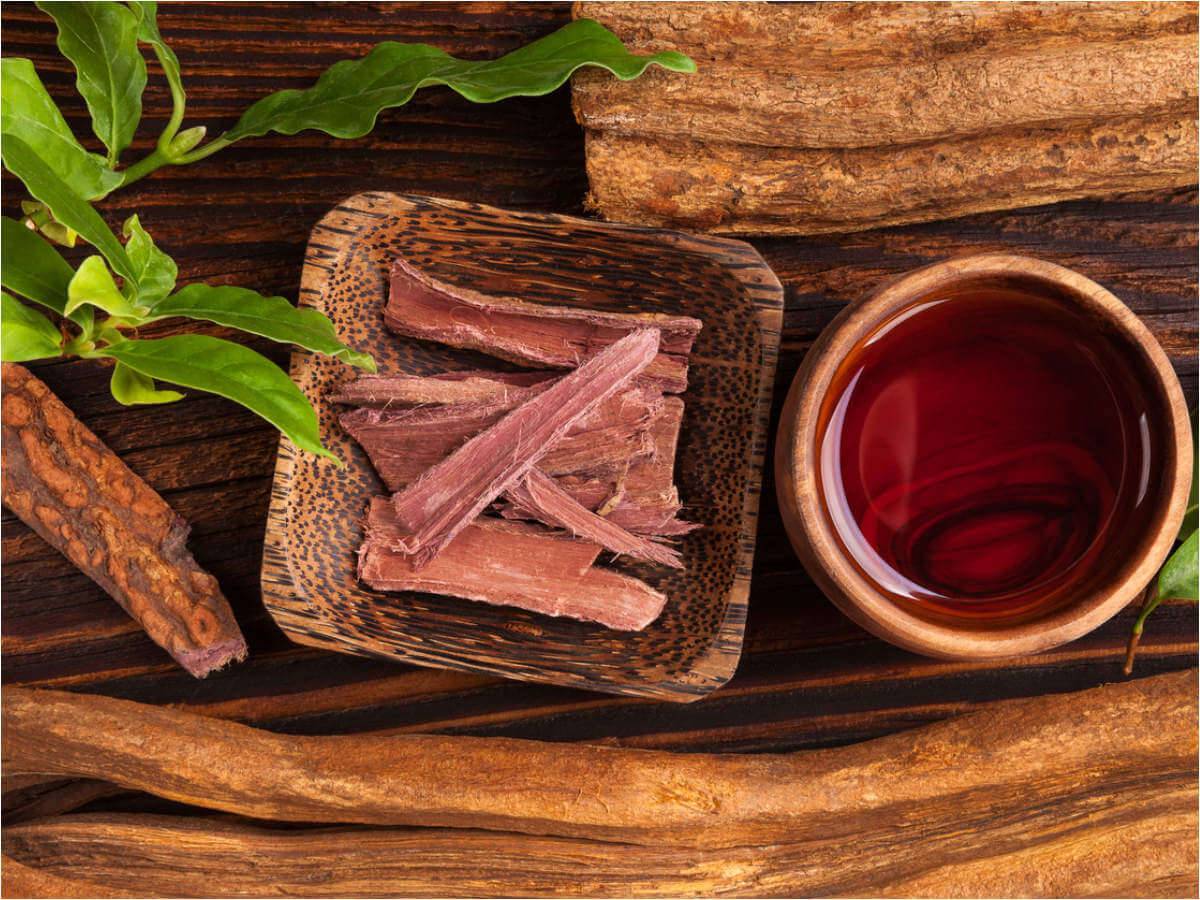
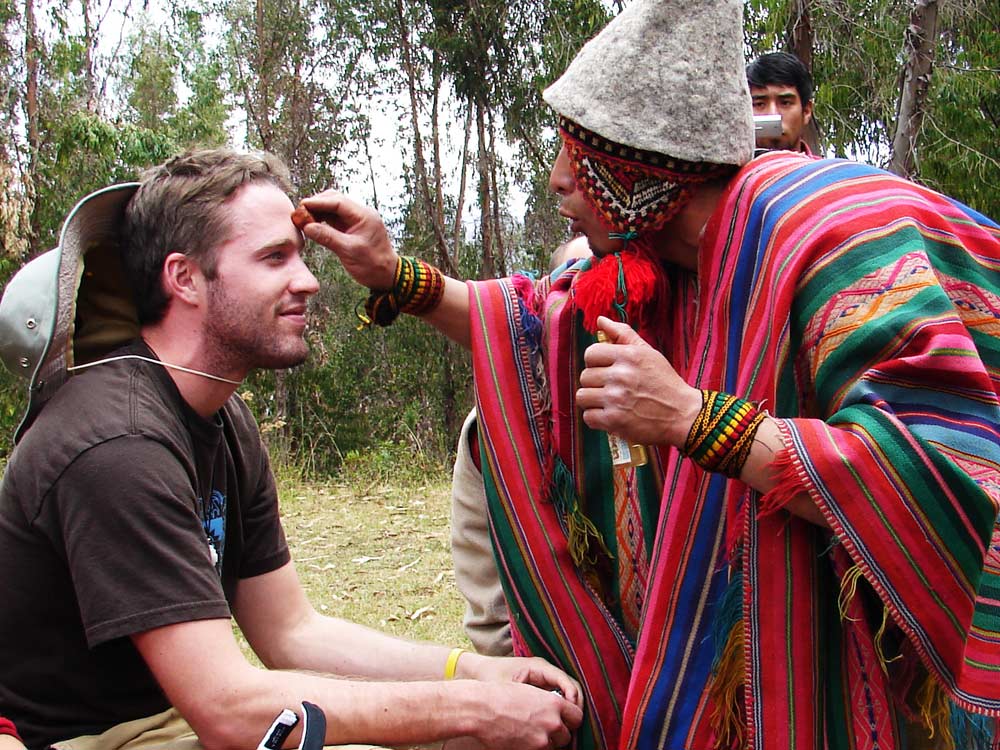
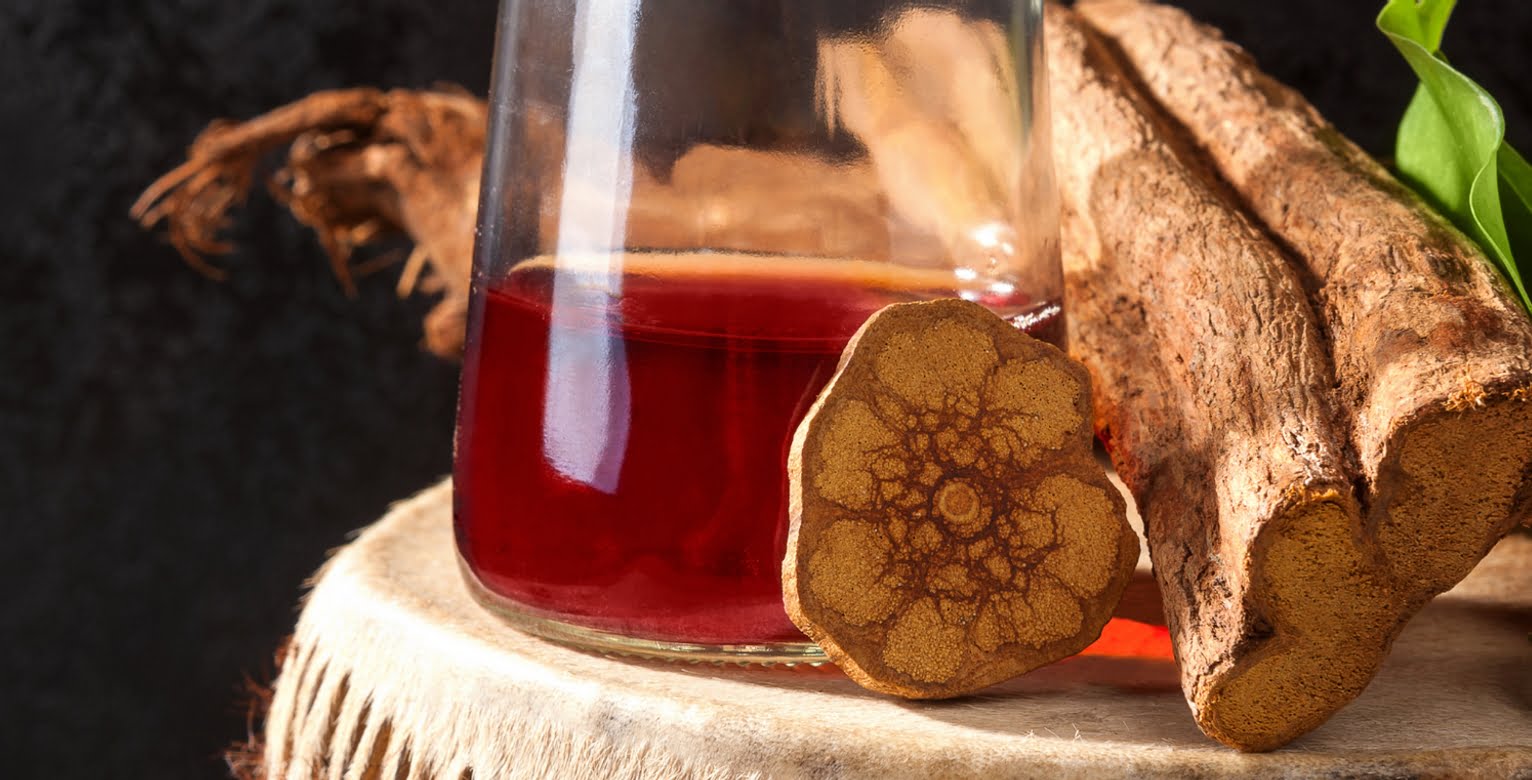
Explore the transformative intersection of mental health and ayahuasca. Learn how this ancient brew is being studied for its potential to heal depression, anxiety, and PTSD, and what experts say about its efficacy and safety. Introduction Ayahuasca, a brew with deep roots in the spiritual and medicinal practices of Indigenous tribes in the Amazon basin, has captivated global attention. This ancient concoction, made from the Banisteriopsis caapi vine and the Psychotria viridis shrub, is renowned for its psychoactive properties, which induce altered states of consciousness. In recent years, the spotlight has turned toward ayahuasca’s potential in mental health treatment, sparking both curiosity and controversy. This article delves into the enigmatic world of ayahuasca, exploring its history, traditional uses, and journey into Western societies. Readers will embark on an enlightening journey, uncovering the complexities of this potent brew and its implications for mental wellness. Understanding Ayahuasca What is Ayahuasca? Composition and Psychoactive Properties Ayahuasca is more than just a drink; it blends two primary ingredients: the Banisteriopsis caapi vine and the Psychotria viridis shrub. The vine provides harmala alkaloids and monoamine oxidase inhibitors (MAOIs), while the shrub contains N, N-Dimethyltryptamine (DMT), a potent psychedelic substance. These components combine to create a powerful synergistic effect, leading to profound changes in consciousness, perception, and emotion. The brew’s unique composition is pivotal in its ability to profoundly affect the human psyche, making it a subject of fascination and research in mental health. Learn more. The Traditional Use of Ayahuasca in Indigenous Ceremonies For centuries, ayahuasca has been a cornerstone in the spiritual and healing practices of various Indigenous communities across the Amazon. These ceremonies, led by a shaman or spiritual leader, are considered sacred rituals that cleanse the body and mind, allowing individuals to confront their fears, traumas, and emotions directly. The ceremonial use of ayahuasca is deeply embedded in the cultural fabric of these communities, highlighting its significance not just as a substance but as a spiritual conduit for healing and enlightenment. Ayahuasca’s Journey into Western Societies The allure of ayahuasca has transcended its traditional boundaries, making its way into Western cultures in search of spiritual depth and mental health solutions. This migration has sparked a complex dialogue surrounding spirituality, medicine, and the legality of psychoactive substances. As researchers begin to untangle the therapeutic potential of ayahuasca for conditions such as depression, PTSD, and addiction, its integration into Western medicine faces both skepticism and optimism. This cultural and scientific crossover illustrates the growing search for alternative mental health treatments and the challenges of bridging Indigenous wisdom with modern therapeutic practices. The Science Behind Ayahuasca and Mental Health Overview of Scientific Research on Ayahuasca’s Effects on the Brain Ayahuasca, a traditional Amazonian brew with psychoactive properties, has caught the attention of the scientific community for its potential impact on mental health. Recent studies delve into how this ancient remedy influences brain chemistry, shedding light on its profound effects. Ayahuasca contains DMT (N, N-Dimethyltryptamine), which promotes the release of various neurotransmitters, offering insights into its therapeutic possibilities. Ayahuasca and Its Impact on Neurological Pathways Associated with Mental Health Case Studies and Research Findings: The Therapeutic Potential of Ayahuasca A growing body of case studies highlights ayahuasca’s potential as a therapeutic agent. Participants in these studies often report significant reductions in symptoms of mental health disorders, supported by both qualitative and quantitative data. These findings underscore the need for further research to fully understand ayahuasca’s capabilities and limitations as a treatment option. Ayahuasca as a Treatment for Mental Health Disorders Ayahuasca’s Role in Treating Depression: A Closer Look Anxiety and PTSD: Can Ayahuasca Provide Relief? The Therapeutic Process: What to Expect from an Ayahuasca Experience Controversies and Challenges Legal Status of Ayahuasca Around the World Safety Concerns and Potential Risks of Ayahuasca Use Ethical Considerations: Cultural Appropriation and the Commercialization of Ayahuasca Personal Stories and Experiences Interviews with Individuals Who Have Participated in Ayahuasca Ceremonies The Emotional and Spiritual Impact of Ayahuasca on Mental Health Healing Journeys: Transformative Experiences and Challenges Faced Preparing for an Ayahuasca Experience Ayahuasca, a traditional Amazonian brew known for its psychedelic properties, has garnered attention for its potential in treating various mental health issues. Preparing for an ayahuasca ceremony involves several vital steps to ensure a safe and transformative experience. Here’s how to prepare mentally, physically, and spiritually for your journey. How to Prepare Mentally and Physically for an Ayahuasca Ceremony Finding a Reputable Shaman or Facilitator Setting Intentions and Navigating the Experience for Therapeutic Benefits Final words Ayahuasca has shown promise as a tool for mental health treatment, offering profound insights and emotional healing for some. However, it’s essential to approach cautiously, understanding its potential benefits and limitations. The journey with ayahuasca is profoundly personal and varies widely among individuals. Proper mental and physical preparation and professional guidance can make all the difference in harnessing its potential for mental health and personal growth.

Read More »
Ayahuasca safety

Ayahuasca safety

Explore our comprehensive guide on Ayahuasca safety, including how to choose ethical retreats and recognize red flags, for a secure spiritual experience. Introduction Ayahuasca, a potent brew with deep roots in the indigenous cultures of the Amazon basin, has captivated the modern world’s imagination. This ancient concoction, made primarily from the Banisteriopsis caapi vine and the Psychotria viridis leaf, serves as a bridge to the spiritual realm, offering profound insights and healing to those who partake in its journey. As interest in Ayahuasca grows beyond its traditional boundaries, fueled by testimonials of transformative experiences, navigating its waters safely cannot be overstated. Understanding Ayahuasca safety is crucial to ensuring that the quest for spiritual enlightenment and healing does not compromise one’s well-being. Understanding Ayahuasca Preparing for an Ayahuasca Experience Ayahuasca Safety Concerns Potential Risks and Side Effects of Ayahuasca Ayahuasca, a potent psychedelic brew, has been sought after for its profound spiritual and healing experiences. However, it’s essential to approach it with awareness of potential safety concerns. The main active ingredient, DMT, can lead to various effects, both physically and psychologically. Physically, users might experience nausea, vomiting, diarrhea, and elevated heart rate and blood pressure. Psychologically, the intensity of the experience can lead to disorientation, intense emotional upheaval, and, in rare cases, worsening of mental health issues. Understanding these risks is crucial for anyone considering an Ayahuasca ceremony. Contraindications: Who Should Avoid Ayahuasca? Ayahuasca isn’t suitable for everyone. Specific individuals should avoid it due to potential adverse effects on their health and well-being. This includes people with: Navigating Legal Issues: Ayahuasca’s Status Around the World The legal status of Ayahuasca varies significantly around the globe, reflecting diverse cultural, religious, and legal perspectives in some South American indigenous ceremonies. However, in many South American countries Western countries, the ingredients of Ayahuasca fall under controlled substance laws, making its use and distribution illegal. Before considering an Ayahuasca experience, thoroughly research your local laws to avoid legal complications. The Ayahuasca Experience What to Expect During an Ayahuasca Ceremony Participating in an Ayahuasca ceremony is a unique journey that varies for each individual. Generally, ceremonies are led by experienced shamans or facilitators who guide participants through the process. The setting is usually quiet, safe, and supportive, often at night. After consuming Ayahuasca, the effects begin within 20-60 minutes, and the experience can last several hours. Participants should prepare for an intense journey that might include vivid visions, profound emotional insights, and a sense of connection with the universe. Learn more. Everyday Experiences: Visions, Insights, and Emotional Release Dealing with Challenging Experiences Safely While Ayahuasca can offer healing and insight, it can also provoke challenging and intense experiences. Staying grounded and remembering that the experience is temporary can help. Trust in the facilitator and the process is crucial. If the experience becomes overwhelming, communicate with the ceremony leader, who can provide support and guidance. After the Ceremony Integrating the Ayahuasca Experience into Daily Life The journey doesn’t end with the ceremony; incorporating the insights and lessons learned into daily life is where the true transformation occurs. This might involve making lifestyle changes, pursuing new paths, or simply adopting a new perspective on life. Journaling, meditation, and creative expression are beneficial for processing the experience. Support Systems: Finding Community After Your Journey Connecting with a community of individuals who have undergone similar experiences can be incredibly supportive. Many find solace in sharing their journeys and insights with those who understand the profound nature of Ayahuasca. Look for local or online groups dedicated to Ayahuasca integration. When to Seek Professional Help If integrating the experience proves challenging or negative emotions persist, it may be beneficial to seek professional help. Therapists familiar with psychedelic integration can offer valuable support, helping individuals navigate the complexities of their Ayahuasca journey. Ensuring Safety in Ayahuasca Retreats Choosing the Right Ayahuasca Retreat: Safety and Ethical Considerations Selecting an Ayahuasca retreat requires diligent research and a deep understanding of safety and ethical standards. When considering a retreat, prioritize those that: Red Flags and Warning Signs to Watch Out For Awareness of potential red flags can help you avoid unsafe or unethical retreats: Questions to Ask Before Participating in an Ayahuasca Ceremony Asking the right questions can guide you to a safe and respectful Ayahuasca experience: Final words Summarizing the Importance of Safety in Ayahuasca Experiences The journey through an Ayahuasca experience is profound and can be transformative. However, the importance of prioritizing safety must be addressed. Ensuring you are in a supportive, ethically conscious, and medically safe environment is crucial to a positive and healing experience. Encouraging Responsible and Informed Participation As interest in Ayahuasca grows, so does the responsibility of each participant to engage in these experiences with respect, mindfulness, and due diligence. By choosing a suitable retreat, being aware of red flags, and asking pertinent questions, individuals can make informed decisions that honor their journey and the sacred traditions of Ayahuasca. Final Thoughts: The Role of Ayahuasca in Spiritual and Personal Growth Ayahuasca offers many unique spiritual and personal growth pathways. When approached with respect, caution, and an open heart, it can provide profound insights and healing. Remember, the journey is as much about preparation and integration as the ceremony. By prioritizing safety and ethics, we can ensure that the sacred traditions of Ayahuasca are preserved and respected and that each person’s journey is as meaningful and safe as possible.

Read More »
Ayahuasca visions

Ayahuasca visions

Discover the transformative process of integrating Ayahuasca visions into your daily life. Learn about the long-term benefits, changes post-Ayahuasca, and how to build a supportive community. Introduction Overview of Ayahuasca: A Sacred Brew Ayahuasca is a potent, entheogenic brew used for centuries by indigenous tribes in the Amazon basin. This mystical concoction is made from the Banisteriopsis caapi vine and the Psychotria viridis leaf, each contributing unique properties that combine to facilitate profound spiritual experiences. Renowned for its psychoactive properties, Ayahuasca initiates a journey of deep introspection and spiritual awakening, making it a central element in various healing and ceremonial practices. The Cultural and Spiritual Significance of Ayahuasca Use The use of Ayahuasca transcends mere ingestion of a psychoactive substance; it is deeply embedded in the cultural fabric and spiritual traditions of numerous South American indigenous communities. Ayahuasca ceremonies are holistic experiences led by a shaman or spiritual leader, aimed at purifying the body and spirit. These rituals underscore a profound connection with the natural and spiritual realms, offering insights, healing, and guidance. The reverence for Ayahuasca reflects its power to unlock mystical experiences, bridging the human and the divine and facilitating communion with the unseen forces of the universe. Understanding Ayahuasca Visions What Are Ayahuasca Visions? Ayahuasca visions are vivid, often transformative experiences that occur during an Ayahuasca ceremony. Participants report encountering intricate visual patterns, ethereal entities, and profound, symbolic scenarios with deep personal and spiritual significance. These visions are not merely hallucinations but gateways to understanding one’s inner self, the nature of reality, and the interconnectedness of all things. Through these visions, individuals often find answers to existential questions, resolve deep-seated emotional issues, and gain insights into spiritual truths. The Science Behind the Visions: How Ayahuasca Affects the Brain Scientifically, Ayahuasca’s impact on the brain is as fascinating as the visions themselves. The active compound in Ayahuasca, DMT (N, N-Dimethyltryptamine), along with other alkaloids that inhibit its breakdown, significantly alters the brain’s normal functioning. This alteration results in changes in perception, emotion, and cognition. Research suggests that Ayahuasca enhances neural plasticity, allowing the brain to form new connections and pathways. It also affects the brain’s default mode network, which can lead to experiences of ego dissolution and a sense of unity with the universe. This biochemical foundation supports the profound shifts in consciousness and perception reported by Ayahuasca users. The Spiritual Journey of Ayahuasca Visions Entering the Spiritual Realm: What to Expect Embarking on an Ayahuasca journey is like entering an entirely different dimension of existence. Participants should anticipate an intense, often challenging exploration of their deepest selves and the cosmos. The experience can vary widely among individuals, but many report a sense of leaving their physical bodies, encountering spiritual entities, and experiencing revelations about life and their purpose in it. Preparation, openness, and the guidance of an experienced shaman are crucial to navigating this journey safely and meaningfully. Common Themes and Symbols in Ayahuasca Visions Ayahuasca visions are rich with symbols and themes that transcend personal and cultural boundaries. Common motifs include encounters with animal spirits, ancestral figures, and otherworldly beings, each imparting wisdom or healing. Visions of death and rebirth, fractal patterns, and journeys through cosmic or natural landscapes are also frequent. These symbols are often interpreted as messages from the subconscious or the spirit world, guiding the individual towards healing, understanding, and growth. Personal Transformation Through Ayahuasca Visions The true power of Ayahuasca lies in its capacity for personal transformation. The insights gained from Ayahuasca’s visions can lead to profound understanding, behavior, and changes in life direction. Many report a renewed sense of purpose, more profound empathy, and a greater appreciation for life. The challenges and revelations of the journey often catalyze significant healing, helping individuals overcome traumas, addictions, and negative patterns. This transformative potential makes Ayahuasca a unique and powerful spiritual and emotional growth tool. Preparing for Ayahuasca Visions The Importance of Set and Setting The journey into the world of Ayahuasca visions is profound and transformative. The “set” refers to one’s internal mindset, encompassing attitudes, expectations, and intentions toward the experience. The “setting” signifies the physical and social environment where the Ayahuasca ceremony occurs. Both elements are crucial for a safe and insightful journey. A supportive setting ensures comfort and security, while a positive mindset can significantly enhance the healing potential of Ayahuasca visions. Dietary and Mental Preparation for Ayahuasca Ceremonies Preparation for an Ayahuasca ceremony involves both dietary and mental readiness: Finding a Trusted Shaman or Guide The guidance of an experienced shaman or facilitator is invaluable for navigating Ayahuasca visions. A trusted guide ensures the ceremony’s safety and assists in interpreting and integrating the visions and messages received. Researching and seeking recommendations within the Ayahuasca community can lead you to a skilled and compassionate guide who resonates with your spiritual journey. The Healing Power of Ayahuasca Visions Emotional Healing and Ayahuasca: Personal Stories Ayahuasca visions often facilitate deep emotional healing. Many individuals report breakthroughs in overcoming trauma, depression, and anxiety, attributing these improvements to the profound, introspective insights gained during their journeys. Personal stories highlight the transformative power of Ayahuasca, showing how it enables a reconnection with one’s emotions and the release of long-held burdens. Ayahuasca Visions and Their Role in Psychological Therapy The therapeutic potential of Ayahuasca is gaining attention in the mental health community. Ayahuasca visions can unearth subconscious thoughts and emotions, offering a unique form of psycho-spiritual therapy. This process can catalyze personal growth and healing, offering perspectives that traditional therapy methods might not reach. The Global Perspective: Ayahuasca’s Healing Impact Beyond Indigenous Cultures Ayahuasca’s healing benefits extend far beyond its indigenous Amazonian roots. Across the globe, people from diverse backgrounds are seeking Ayahuasca as a tool for spiritual awakening and emotional healing. This global interest highlights Ayahuasca’s universal appeal and underscores the interconnectedness of human experiences of healing and transformation. Navigating the Challenges of Ayahuasca Visions Addressing the Psychological Intensity of Visions Ayahuasca visions can be profoundly vivid and impactful, often described as more real than reality. These experiences can bring intense emotions and unearth deep-seated memories, which might be challenging to

Read More »
Ayahuasca Diet

Ayahuasca diet

Discover how the Ayahuasca diet journey transcends dietary preparation, offering a pathway to personal growth and holistic wellness. Unveil the transformative power of integrating Ayahuasca experiences into your life for lasting mindfulness and well-being. Introduction Overview of Ayahuasca: Historical and Cultural Significance Ayahuasca, a sacred brew with deep roots in the indigenous cultures of the Amazon, stands as a testament to the enduring quest for spiritual enlightenment and healing. This potent concoction, made from the Banisteriopsis caapi vine and the Psychotria viridis leaf, has been used for centuries in ceremonial contexts, offering profound insights and transformational experiences to those who partake. Its historical and cultural significance is a mosaic of ancient wisdom, community rituals, and a deep respect for nature, illustrating its pivotal role in the spiritual practices of numerous South American tribes. Understanding the Connection Between Diet and Ayahuasca Experiences The journey with Ayahuasca is not just spiritual but also profoundly intertwined with physical well-being, necessitating a preparatory diet to ensure the safest and most profound experience possible. The Ayahuasca diet, with its specific restrictions and guidelines, serves as a bridge, connecting the physical body to spiritual realms. This dietary preparation helps to purify the body, minimizing potential adverse reactions to the brew and enhancing the spiritual connection. It’s a testament to these cultures’ holistic approach toward healing, emphasizing the balance between mind, body, and spirit. The Foundations of the Ayahuasca Diet The Ayahuasca Diet: What Is It and Why Is It Important? The Ayahuasca diet is a regimen followed by individuals preparing to partake in an Ayahuasca ceremony. It’s designed to cleanse the body and mind, reducing potential interference with the brew’s psychoactive properties. This diet is not only about physical purification but also a form of respect and readiness, signaling to oneself and the spirit of Ayahuasca a serious commitment to the journey ahead. Essential Components and Restrictions: A Comprehensive Overview The Spiritual and Physical Rationale Behind the Diet Spiritually, this diet helps to clear the mental clutter, allowing for a deeper, more meaningful connection with the Ayahuasca experience. Physically, it reduces the risk of adverse reactions, such as nausea and hypertension, by avoiding foods that could react negatively to the brew’s MAOIs. Preparing for Your Journey: Pre-Ayahuasca Dietary Guidelines Timeline for Dietary Preparation: From Weeks to Days Before the Ceremony Preparation starts weeks in advance, gradually removing restricted foods from your diet. This gradual approach helps the body adjust without shock, reducing cravings and withdrawal symptoms. By the final week, the diet becomes more restrictive, focusing on the most benign foods to ensure purity and readiness. Foods to Embrace: Enhancing Your Experience with the Right Nutrients Foods to Avoid: Understanding the Reasons Behind Dietary Restrictions Avoiding certain foods is crucial due to their potential to cause adverse reactions with the Ayahuasca brew or to detract from the mental clarity needed for a significant spiritual experience. This includes tyramine-rich foods, stimulants, and heavily processed items. Navigating Common Challenges and Tips for Adherence During the Ceremony: What to Eat and What to Avoid Managing Your Diet on the Day of the Ceremony Maintaining a light and noninvasive diet is paramount on the day of the Ayahuasca ceremony. Your focus should be on foods that are easy to digest and low in fat and sugar. This approach helps minimize physical discomfort and enhance the spiritual journey you’re about to undertake. Hydration and Fluid Intake: Best Practices Hydration is crucial but should be balanced. Drinking too much water can be as uncomfortable as not drinking enough, especially during the ceremony. Dietary Adjustments for Enhanced Spiritual Connectivity Believe it or not, what you consume can influence your spiritual connection during the ceremony. Foods rich in magnesium and potassium, like bananas, can help muscle relax and prevent cramps. Post-Ayahuasca: Nourishing Your Body and Spirit Transitioning Back to a Regular Diet: Timing and Recommendations After the ceremony, your body and mind are in a state of recovery and integration. It’s essential to reintroduce foods slowly and mindfully. Foods That Support Integration and Healing The post-ceremony phase is a time for healing and reflection. Foods rich in antioxidants and omega-3 fatty acids can support this process by reducing inflammation and nourishing your brain. Recognizing and Respecting Your Body’s Signals Listening to your body is more important than ever after an Ayahuasca ceremony. If you experience cravings or aversions, consider what they might be telling you about your recovery and emotional state. In summary, a mindful approach to nutrition during and after the Ayahuasca ceremony can significantly impact your experience and recovery. Respecting your body’s needs and signals and choosing foods that support your physical and spiritual well-being can enhance the benefits and integration of your Ayahuasca journey. Beyond the Diet: Holistic Wellness in Ayahuasca Integration The journey with Ayahuasca extends far beyond the confines of dietary preparation and the ceremonial experience. To fully integrate the profound insights and transformations that Ayahuasca can catalyze, individuals must consider their overall wellness. This holistic approach encompasses the mind, body, and social environment, each crucial in post-ceremony healing and growth. The Role of Meditation and Mindfulness in Post-Ceremony Healing Physical Activities and Their Importance in Your Spiritual Journey Building a Supportive Community: Sharing Experiences and Insights Final words Reflecting on the Ayahuasca diet journey illuminates its pivotal role in facilitating personal growth and transformation. This path is not merely about adhering to dietary guidelines but is a profound process of preparing the mind, body, and spirit for a transformative experience. The Ayahuasca diet, with its emphasis on purity and mindfulness, acts as a gateway to a more profound exploration of one’s consciousness and a step towards holistic wellness. Integrating Ayahuasca experiences into one’s life is a deeply personal and ongoing process. It involves the initial dietary preparation and a comprehensive, holistic approach to wellness that includes meditation, physical activity, and community support. This holistic approach can lead to lasting changes in personal well-being, mindfulness, and an enriched sense of connection to the broader tapestry of life. As individuals embark on this transformative

Read More »
ayahuasca for depression

Ayahuasca for depression

Dive into the transformative potential of ayahuasca for depression. Understand its historical roots, scientific studies, and how it compares with traditional treatments. Navigate the journey safely with our comprehensive guide. Introduction Ayahuasca, a term that sparks both curiosity and reverence, refers to a traditional Amazonian brew with potent psychoactive properties. This concoction, deeply rooted in the indigenous cultures of the Amazon basin, is made from the Banisteriopsis caapi vine and the Psychotria viridis leaf. The former contains monoamine oxidase inhibitors (MAOIs), while the latter is rich in N, N-Dimethyltryptamine (DMT), a powerful hallucinogenic compound. Together, they create a beverage used for centuries in ceremonial contexts aimed at spiritual awakening and healing. In recent years, ayahuasca has garnered significant attention beyond its traditional realms, particularly in the field of mental health. Anecdotal evidence and a growing body of research suggest that ayahuasca may offer potential benefits for treating various psychiatric disorders, including depression. This surge in interest has led to a global dialogue about the brew’s therapeutic possibilities, prompting scientific curiosity and cautious optimism. However, it’s crucial to approach ayahuasca with an understanding of its complexity, both legally and health-wise. The legality of ayahuasca varies worldwide, with it being illegal in some countries due to its DMT content. Additionally, the psychoactive experience it induces requires careful consideration and respect for safety protocols. Individuals need to research and understand these aspects thoroughly before considering ayahuasca as a treatment option. Understanding Depression Depression, a disorder that affects millions globally, is characterized by persistent sadness, a lack of interest in activities once enjoyed, and an overwhelming sense of despair. Symptoms can range from moderate to severe and may include changes in appetite, sleep disturbances, fatigue, and feelings of worthlessness or guilt. This mental health condition goes beyond occasional sadness, impacting daily functioning and quality of life. Traditional treatments for depression typically involve a combination of medication and therapy. Antidepressants aim to balance brain chemicals that regulate mood, while counseling or psychotherapy addresses behavioral patterns, thoughts, and emotional challenges contributing to depression. Despite the availability of these treatments, many individuals continue to struggle with depression, partly due to the limitations and side effects associated with conventional methods. Ayahuasca: The Amazonian Psychedelic Ayahuasca’s roots trace back to the indigenous tribes of the Amazon, where it has been a cornerstone of spiritual and healing practices for centuries. The brew’s significance extends beyond its psychoactive effects, encompassing deep cultural and spiritual dimensions. It’s used in ceremonies led by experienced shamans, who guide participants through the intense experiences that ayahuasca can induce. The key components that give ayahuasca its unique properties are DMT, a compound that produces profound psychedelic experiences, and MAO inhibitors, which allow DMT to be orally active. This combination facilitates experiences that users describe as life-changing, including intense visual hallucinations, emotional revelations, and a sense of interconnectedness with the universe. Traditionally, ayahuasca is prepared by boiling or soaking the Banisteriopsis caapi vine and Psychotria viridis leaves. This process, often taking several days, is carried out with specific intentions and prayers, imbuing the brew with spiritual significance. The preparation and consumption of ayahuasca are integral to its therapeutic potential, emphasizing the importance of set, setting, and guidance from experienced practitioners. This overview of ayahuasca’s origins, its increasing consideration in mental health contexts, and its traditional use highlight the complexities surrounding this ancient brew. As interest continues to grow, so does the dialogue about its potential benefits, legal status, and safety considerations, underscoring the need for informed and respectful exploration of ayahuasca as a possible tool for healing and personal growth. Scientific Perspectives on Ayahuasca for Depression Overview of Research Studies on Ayahuasca’s Effects on the Brain Ayahuasca, a traditional Amazonian brew with psychoactive properties, has captured the interest of scientists and researchers worldwide. Recent studies delve into how this potent mixture affects the brain, revealing that ayahuasca may facilitate unique neurological responses. These include increased neural plasticity, enhanced emotional processing, and reduced depressive symptoms. By activating serotonin receptors and stimulating brain regions associated with emotion and memory, ayahuasca presents a novel pathway for depression treatment, distinct from conventional methods. Ayahuasca’s Potential Impact on Mood, Emotions, and Mental Health The psychoactive components of ayahuasca, primarily DMT (N, N-Dimethyltryptamine), have shown promising effects on mood and emotional well-being. Participants in various studies often report a profound sense of clarity and emotional release following ayahuasca sessions, suggesting its potential to reset mental states. Research indicates that these experiences might contribute to long-lasting improvements in mood and mental health, offering hope for those with treatment-resistant depression. Comparing Ayahuasca’s Effectiveness with Traditional Antidepressants Unlike traditional antidepressants, which often target specific neurotransmitters like serotonin, ayahuasca provides a comprehensive brain experience that can alter perception, emotion, and cognition. While SSRIs (Selective Serotonin Reuptake Inhibitors) work by gradually increasing serotonin levels to improve mood and anxiety, ayahuasca’s immediate and intense effect offers a different therapeutic potential. Although direct comparisons are complex due to the differing mechanisms of action, anecdotal and preliminary clinical evidence suggests that ayahuasca might offer a faster route to emotional healing for some, particularly those who have not found relief through conventional treatments. Personal Testimonies and Experiences Case Studies: Individuals’ Experiences with Ayahuasca for Depression Personal stories and case studies provide compelling insights into ayahuasca’s impact on depression. Numerous individuals, having struggled with conventional treatment modalities, turn to ayahuasca as a last resort. Their accounts often highlight profound journeys of self-discovery and healing, marked by intense visual and emotional experiences that lead to significant shifts in perspective and reduction in depressive symptoms. Positive Outcomes and Transformative Experiences The narratives of those who have participated in ayahuasca ceremonies frequently underscore life-altering changes: Potential Risks and the Importance of a Supportive Setting While the benefits can be significant, the risks associated with ayahuasca should not be overlooked. The experience can be intense and sometimes distressing, emphasizing the need for a safe, supportive setting. Proper screening, guidance by experienced facilitators, and post-ceremony integration support are crucial to mitigate risks and enhance the therapeutic potential. Through the lens of both scientific

Read More »
Meditation for pain relief Integration Therapy, Healing Narratives, Psychedelic Therapy

Ayahuasca therapy

Unlock the healing potential of Ayahuasca therapy. From emotional release to spiritual awakening, find out how Ayahuasca can pave the way for profound personal growth. Introduction to Ayahuasca Therapy Ayahuasca Therapy: An ancient brew with a modern purpose. Ayahuasca, a sacred concoction with roots deep in the Amazon rainforest, has traversed centuries to become a beacon of healing and introspection in the realm of modern wellness. This potent brew, made from the Banisteriopsis caapi vine and the Psychotria viridis leaf, unlocks profound psychedelic experiences, guiding individuals through transformative journeys. Historical Origins and Traditional Uses: Historically, Ayahuasca has been the centrepiece of spiritual and healing ceremonies among indigenous peoples of the Amazon basin. These traditional practices, rich with cultural and spiritual significance, have been carefully passed down through generations. They highlight Ayahuasca’s role in community bonding and spiritual awakening and as a bridge to the ancestral and natural worlds. The Rise of Ayahuasca Therapy in Modern Wellness Practices: In recent years, Ayahuasca therapy has witnessed a remarkable surge in popularity beyond its traditional boundaries, attracting global attention. As individuals seek alternative paths to healing and self-discovery, Ayahuasca has emerged as a powerful tool in the exploration of consciousness, offering insights into the psyche and promoting emotional, mental, and spiritual growth. Understanding Ayahuasca: The Brew, The Ritual, The Experience Composition of the Ayahuasca Brew: At its core, the Ayahuasca brew is a synergy between the Banisteriopsis caapi vine, which contains harmala alkaloids, and the Psychotria viridis leaf, rich in the psychedelic compound DMT. This blend, carefully prepared by experienced shamans, initiates a journey through the depths of one’s being. The Ceremonial Context: Setting, Shamans, and Intentions: Ayahuasca ceremonies are profound events steeped in ritual and reverence. Shamans conduct these gatherings in sacred spaces that foster a sense of safety and belonging. Participants enter with intentions, seeking answers, healing, or guidance, thus setting the stage for a deeply personal and communal experience. Phases of the Ayahuasca Experience: Physical, Emotional, and Spiritual Insights: The journey unfolds in stages, beginning with physical sensations, progressing through emotional revelations, and culminating in spiritual epiphanies. Participants may encounter vivid visions, confront deep-seated emotions, and gain insights into their lives and the universe. Scientific Insights: How Ayahuasca Affects the Mind and Body Neurological Impacts of Ayahuasca: Ayahuasca’s influence extends to the very fabric of the brain, affecting its chemistry and promoting neural plasticity. Research suggests that Ayahuasca may enhance the brain’s capacity for change and healing, potentially resetting the neurological patterns associated with addiction, depression, and trauma. Ayahuasca’s Potential Therapeutic Benefits: The therapeutic landscape of Ayahuasca is vast and varied, encompassing mental health disorders like PTSD, depression, and anxiety. By facilitating profound introspective experiences, Ayahuasca therapy offers a unique avenue for emotional and psychological healing. Safety and Health Considerations: While the potential benefits are significant, Ayahuasca therapy has risks. Proper preparation, guidance from experienced practitioners, and attention to medical and psychological history are crucial to mitigate these risks. Ayahuasca Therapy in Practice Preparing for an Ayahuasca Ceremony: Mental, Physical, and Spiritual Readiness Engaging in Ayahuasca therapy is a journey that requires comprehensive preparation across all facets of one’s being. Optimizing one’s readiness involves several key aspects: Integration: Understanding and Applying the Insights Gained from the Experience Post-ceremony, integrating the insights and lessons learned during the Ayahuasca therapy session into one’s life is a vital step: Finding a Reputable Ceremony: Guidelines for Safety and Authenticity Ensuring the authenticity and safety of the Ayahuasca ceremony is paramount: Legal and Ethical Considerations The Legal Status of Ayahuasca in Different Parts of the World Ayahuasca’s legal standing varies significantly across the globe: Ethical Considerations in the Use of Ayahuasca The ethical implications of Ayahuasca therapy are multifaceted: The Role of Traditional Cultures and the Debate over Cultural Appropriation As Ayahuasca therapy gains global attention, the conversation around cultural appropriation becomes increasingly important: Personal Stories: Transformations and Challenges Ayahuasca therapy, an ancient practice turned modern healing path, carries a rich tapestry of personal stories, each narrating a profound journey of transformation and healing. These anecdotes provide a window into the potential of Ayahuasca to catalyze profound, personal change. The Future of Ayahuasca Therapy As Ayahuasca therapy steps into the limelight of global health consciousness, its future seems both promising and laden with challenges. Final words As we journey through the realms of Ayahuasca therapy, from personal transformations to its potential future in healing practices, several key points emerge: Ayahuasca therapy stands at the intersection of ancient wisdom and modern science, promising new pathways to healing and well-being. As we move forward, embracing this ancient practice within a framework of respect, research, and responsibility will be critical to unlocking its full potential.

Read More »
Ayahuasca and shamanism, Ancestral Healing, Sacred Feminine, Spirit guides, Sacred geometry

Ayahuasca and shamanism

Dive deep into the heart of spiritual healing with our guide on Ayahuasca and shamanism. Explore the ancient practices that connect the soul, nature, and the universe for profound transformation Introduction Ayahuasca, a potent and sacred brew, has its roots deeply embedded in the rich soil of shamanic practices, emerging from the heart of the Amazon rainforest. This entheogenic concoction is made from the Banisteriopsis caapi vine and the Psychotria viridis leaf, ingredients that combine to open the gates to profound spiritual realms. Ayahuasca’s origins trace back to the indigenous tribes of the Amazon, where it has been used for centuries as a critical component in ceremonial practices aimed at healing, divination, and community bonding. In both traditional and modern contexts, Ayahuasca serves as a bridge to the unseen, facilitating deep spiritual healing and personal transformation. Its significance transcends the boundaries of culture and time, making it a subject of growing interest in modern spiritual healing and psychological therapy. As people from all walks of life seek more significant meaning and healing, Ayahuasca offers a path to explore the depths of one’s soul and the mysteries of the universe. The Roots of Ayahuasca in Shamanic Tradition The Ayahuasca Experience: What to Expect The Role of the Shaman in Ayahuasca Ceremonies In the heart of Ayahuasca ceremonies, the shaman stands as a pivotal figure, bridging the physical and spiritual realms. These guardians of the sacred tradition possess deep-rooted qualities and undergo rigorous training to guide participants through the transformative Ayahuasca journey. Qualities and Training of a Shaman: Guardians of the Sacred Tradition How Shamans Guide Participants Through the Ayahuasca Journey Shamanic Songs (Icaros): Their Purpose and Power in Ceremonies Healing and Transformation: The Benefits of Ayahuasca Ayahuasca offers a unique path to healing and transformation, impacting individuals on emotional, psychological, and spiritual levels. Testimonials and research findings highlight its potential for profound change, making Ayahuasca a key component in personal and communal growth. Emotional and Psychological Healing: Testimonials and Research Findings Spiritual Awakening and Personal Transformation: Exploring the Deeper Self The Role of Ayahuasca in Community Building and Social Healing Navigating the Challenges and Risks Potential Risks and How to Mitigate Them: Physical and Psychological Aspects Exploring the world of Ayahuasca and shamanism invites us on a journey of profound spiritual and emotional depth. However, it’s paramount to acknowledge and navigate the potential risks associated with Ayahuasca ceremonies. Physically, participants may experience intense nausea, vomiting, and other discomforts. Psychologically, the journey can uncover deep-seated emotional issues, leading to challenging experiences. Legal and Ethical Considerations of Participating in Ayahuasca Ceremonies The legal landscape surrounding Ayahuasca varies significantly across regions, reflecting diverse cultural, legal, and ethical standards. Engaging with Ayahuasca necessitates a clear understanding and respect for these frameworks to ensure the safety and legality of the practice. Choosing the Right Setting and Shaman: Safety and Integrity in Practice The setting and the shaman play pivotal roles in the Ayahuasca experience. Selecting the right environment and guide ensures a safe and transformative journey. Integrating the Ayahuasca Experience into Everyday Life Post-Ceremony Integration: Strategies for Applying Insights and Changes Integrating the profound insights from an Ayahuasca ceremony into daily life is a critical step towards lasting transformation. This process involves reflection, application of lessons learned, and, often, lifestyle adjustments. The Importance of Support Networks and Community in the Integration Process The journey doesn’t end at the ceremony’s close. The support of a community or network that understands and shares similar experiences is invaluable. Long-Term Impacts of Ayahuasca Experiences on Lifestyle and Worldview Ayahuasca can significantly influence one’s lifestyle and worldview, often guiding individuals towards more reflective, compassionate, and environmentally conscious living. Final words The Evolving Role of Ayahuasca and Shamanism in Modern Society As Ayahuasca continues to gain interest worldwide, its role within modern society is undeniably evolving. It stands at the intersection of ancient wisdom and contemporary spiritual seeking, offering insights and healing that are increasingly sought after in our fast-paced, often disconnected world. Reflections on the Sustainability and Future of Ayahuasca Practices The sustainability of Ayahuasca practices hinges on respectful, ethical engagement with the traditions, cultures, and environments that nurture this powerful plant medicine. Looking forward, our collective commitment to these principles will shape the future of ayahuasca practices, ensuring that this ancient path of healing and transformation remains accessible and beneficial for generations to come.

Read More »
Chakra meditation,Shamanic healing with Ayahuasca ,Mystical Experiences, Divine Connection, Ayahuasca education

Legal status of Ayahuasca | An International Overview

Dive deep into the global legal status of ayahuasca. From cultural heritage to controlled substance, discover how different countries navigate its use. Introduction Ayahuasca, a sacred brew with deep roots in the indigenous cultures of the Amazon, has captivated the interest of people worldwide. This potent concoction, made from the Banisteriopsis caapi vine and the Psychotria viridis leaf, is renowned for its psychedelic properties and profound cultural and spiritual significance. Ayahuasca ceremonies, historically central to the spiritual practices of various indigenous tribes, are now sought after by individuals across the globe seeking healing, enlightenment, and a deeper connection with the natural world. This guide aims to navigate the intricate legal landscape surrounding ayahuasca. As its popularity surges, so do questions about its legality, leading to a complex patchwork of regulations that vary significantly from one country to another. This guide aims to shed light on these complexities, offering a clearer understanding of where and under what conditions ayahuasca can be legally accessed. The Roots of Ayahuasca: Historical and Cultural Background Origins of Ayahuasca Use in Traditional Ceremonies For centuries, ayahuasca has been a cornerstone of spiritual and healing practices among indigenous tribes of the Amazon basin. This tradition is deeply embedded in the cultural fabric of these communities, serving as a bridge to the spiritual world and a means to gain wisdom, healing, and guidance. The preparation and consumption of ayahuasca are surrounded by rituals and ceremonies that are as diverse as the tribes themselves, each with its unique set of beliefs and practices. Its Role in Modern Spiritual and Therapeutic Practices In recent decades, the allure of ayahuasca has transcended its traditional roots, capturing the interest of the global community. Today, ayahuasca is at the forefront of a psychedelic renaissance, heralded for its potential to treat a range of mental health issues such as depression, anxiety, and PTSD. Modern seekers use ayahuasca in a variety of contexts, from traditional ceremonies led by indigenous shamans to sessions facilitated by trained healers in countries far from its Amazonian home. Despite the controversies, anecdotal evidence and emerging scientific research suggest that ayahuasca may offer profound spiritual and therapeutic benefits. Global Legal Perspectives on Ayahuasca The Challenge of Categorizing Ayahuasca Under International Drug Laws The legal status of ayahuasca presents a unique challenge for lawmakers around the world. Unlike other controlled substances, ayahuasca is a brew that contains naturally occurring psychoactive compounds, making its classification under international drug laws complex. The primary psychoactive ingredient, DMT (N, N-Dimethyltryptamine), is listed under Schedule I of the United Nations 1971 Convention on Psychotropic Substances. However, the brew itself is not explicitly mentioned, leading to a legal grey area that countries navigate differently. A Comparison of U.N. Drug Treaties and Ayahuasca’s Status The ambiguity in international treaties has resulted in various legal interpretations by member states. Some countries focus on the presence of DMT to justify strict regulations or outright bans on ayahuasca. In contrast, others consider the traditional and religious use of the brew as exempt from such restrictions. This discrepancy highlights the tension between international drug control efforts and the growing recognition of ayahuasca’s cultural and therapeutic importance. As the global community continues to grapple with these issues, the legal status of ayahuasca remains a subject of debate and evolution. This comprehensive overview aims to untangle the complex legalities surrounding ayahuasca, providing clarity for those seeking to understand where and how they can legally engage with this ancient yet increasingly popular spiritual practice. Ayahuasca’s Legal Status by Region The legal landscape of ayahuasca is as diverse as its cultural heritage, with laws varying significantly across different regions of the world. Understanding the legal status of ayahuasca by region is crucial for those interested in its use, whether for spiritual, therapeutic, or scholarly purposes. Below, we delve into the intricacies of ayahuasca legality across various global regions, shedding light on the complex interplay between cultural traditions, legal frameworks, and international regulations. North America Europe South America Other Regions Understanding the legal status of ayahuasca by region is essential for navigating its use’s complexities. As global perspectives on psychoactive substances continue to evolve, so too will the laws governing ayahuasca. Advocates and practitioners must stay informed and engaged with the legal frameworks affecting ayahuasca in their regions. Legal Battles and Notable Cases The journey of ayahuasca through the legal systems around the world has been complex and multifaceted, marked by several critical legal battles and the proactive roles of advocacy groups and religious organizations. These entities have been instrumental in shaping the conversation around the legal status of ayahuasca, highlighting the delicate balance between cultural heritage, religious freedom, and drug regulation. The Future of Ayahuasca’s Legal Status As we look towards the future, the legal status of ayahuasca stands at a crossroads, influenced by evolving global drug policies and a growing body of research into psychedelic therapies. As global perspectives shift and new evidence emerges, the legal landscape for ayahuasca is poised for change. Advocacy, research, and respectful dialogue will be vital in navigating these changes, ensuring that ayahuasca’s future is marked by understanding, respect, and legal recognition of its profound cultural and therapeutic value. Navigating Legal Anticipations: Tips for Ayahuasca Practitioners In the complex and often shifting legal landscape surrounding ayahuasca, practitioners, facilitators, and participants must navigate with caution and diligence. Understanding and adhering to the legal status of ayahuasca in your region or any region you plan to engage with is crucial for responsible and safe practice. Here are essential tips to help ayahuasca practitioners stay on the right side of the law: Final words The legal status of ayahuasca continues to evolve globally, reflecting a growing recognition of its cultural, spiritual, and therapeutic value. However, this evolution comes with a responsibility for practitioners to engage with ayahuasca in a manner that is both respectful and informed. Navigating the legal landscape of ayahuasca requires a proactive and informed approach underpinned by a deep respect for the traditions and communities associated with its use. As the conversation around psychedelics and their legal status

Read More »
Ayahuasca in traditional medicine

Ayahuasca in traditional medicine

Explore the ancient roots and transformative power of Ayahuasca in traditional medicine. Dive into its cultural significance and healing potential in a respectful and ethical manner Introduction A brief overview of Ayahuasca: Its origins and traditional use Ayahuasca, a potent brew with deep roots in the spiritual and medicinal practices of indigenous Amazonian tribes, has fascinated people around the globe. Crafted from the Banisteriopsis caapi vine and the Psychotria viridis leaf, this entheogenic concoction has been utilized for centuries, primarily for its powerful psychoactive properties. Traditional use encompasses spiritual ceremonies aimed at healing, divination, and connecting with the spiritual world. Importance of Ayahuasca in indigenous cultures For indigenous cultures, Ayahuasca is more than a psychoactive brew; it’s a bridge to the spiritual realm, offering insight, healing, and guidance. The significance of Ayahuasca in these communities cannot be overstated—it’s woven into the fabric of their cultural identity, embodying their deep connection with nature and the universe. Its role extends beyond mere medicine, serving as a spiritual guide for communities, fostering a sense of unity and understanding essential to their way of life. The Historical Roots of Ayahuasca Ayahuasca’s origins in the Amazonian tribes The origins of Ayahuasca trace back thousands of years, with evidence suggesting its use by Amazonian tribes as far back as 1000 B.C. Initially, its use was deeply shrouded in mysticism, integral to religious and healing ceremonies that sought to connect the physical and spiritual worlds. Through oral traditions and archaeological evidence, we’ve glimpsed Ayahuasca’s profound role in these ancient societies. Evolution of Ayahuasca use over the centuries. Over centuries, the use of Ayahuasca has evolved, spreading beyond the Amazon and into the global consciousness. As indigenous people shared their sacred practices with the world, the brew’s application broadened, intersecting with modern psychotherapy and spirituality. This evolution highlights the adaptability of Ayahuasca’s use, demonstrating its timeless relevance and the universal quest for understanding and healing. Ayahuasca’s Components and Their Effects Key ingredients of the Ayahuasca brew Ayahuasca’s power lies in its ingredients; the Banisteriopsis caapi vine provides harmala alkaloids and MAO inhibitors that allow the psychedelic properties of N, N-Dimethyltryptamine (DMT) from the Psychotria viridis leaves to take effect. This combination induces profound changes in consciousness, offering users experiences of introspection and spiritual revelations. Scientific breakdown: How Ayahuasca affects the human brain Scientifically, Ayahuasca stimulates the serotonin receptors in the brain, akin to how serotonin functions. This interaction leads to an altered state of consciousness, characterized by vivid visions, emotional revelations, and a sense of interconnectedness. Research suggests these effects can be therapeutic, potentially aiding in the treatment of depression, anxiety, and PTSD by fostering a profound psychological introspection and emotional catharsis. Ayahuasca in Traditional Healing Practices Ritualistic use of Ayahuasca in healing ceremonies In traditional healing practices, Ayahuasca is more than a medicine; it’s a ceremonial tool that facilitates the journey of healing and self-discovery. Conducted by a shaman or a knowledgeable healer, these rituals are carefully designed to navigate the spiritual dimension, seeking insights and guidance from the spirit world to address physical, mental, and spiritual ailments. Types of ailments treated with Ayahuasca in traditional medicine Traditionally, Ayahuasca has been used to treat a wide array of ailments, ranging from the physical to the profoundly spiritual. It’s been employed to address everything from addiction and depression to spiritual malaise and existential crises. The holistic approach of traditional medicine views healing as a comprehensive process, where Ayahuasca catalyzes emotional, psychological, and physical restoration. The Spiritual and Psychological Dimensions of Ayahuasca Ayahuasca, a traditional Amazonian brew, is revered for its profound impact on spiritual and psychological well-being. This potent concoction, used for centuries by indigenous tribes, has crossed cultural boundaries, intriguing those searching for spiritual awakening and emotional healing. Here, we delve into Ayahuasca’s spiritual and psychological aspects, exploring how it continues to influence lives beyond its traditional roots. Ayahuasca’s Role in Spiritual Awakening and Enlightenment Emotional Healing and Psychological Benefits Reported by Users Challenges and Controversies Surrounding Ayahuasca Despite its potential benefits, Ayahuasca’s journey into the global consciousness has not been without hurdles. Legal issues and health concerns pose significant challenges to its acceptance and use. Legal Status of Ayahuasca Around the World Health Risks and Potential Side Effects Ayahuasca’s Influence on Modern Medicine and Therapy The intrigue surrounding Ayahuasca has not escaped the notice of Western scientists and therapists, who are keenly exploring its potential therapeutic applications. Interest in Ayahuasca Among Western Scientists and Therapists Potential Therapeutic Benefits and Areas of Ongoing Research In conclusion, while Ayahuasca’s journey from traditional medicine to a subject of global interest is fraught with challenges and controversies, its potential for spiritual enlightenment, emotional healing, and therapeutic application continues to captivate researchers, therapists, and seekers alike. As our understanding deepens, it’s crucial to navigate the complexities of its use with respect, caution, and an open mind. Ethical Considerations and Cultural Respect In the journey to understand and incorporate Ayahuasca into broader healing practices, navigating the terrain with the utmost respect and ethical consideration is paramount. Ayahuasca, a brew with deep roots in the spiritual and medicinal traditions of Indigenous peoples in the Amazon basin, offers not just a psychedelic experience but a gateway to understanding the intricate relationship between nature, medicine, and spirituality. Here are the critical points to consider: Final words As we reflect on Ayahuasca’s profound significance in traditional medicine, its role extends beyond mere symptom treatment to encompass a holistic approach to healing, emphasizing balance and integration of the physical, mental, and spiritual aspects of being. The insights from its traditional use illuminate a path forward for integrating ancient wisdom with modern therapeutic practices, potentially offering new avenues for addressing complex health challenges. The prospects of Ayahuasca in healing and therapy are promising yet warrant a careful, respectful approach that honors its origins and the communities that have stewarded this knowledge for generations. By embracing these ethical and cultural considerations, we pave the way for a future where Ayahuasca’s full potential can be realized in a beneficial,

Read More »

Our retreats start on Fridays and end on Sunday – WE will send you the itinerary once you register.
Please register at least three weeks before your upcoming retreat so that you can be prepared for your ceremony. Our 3 Day and 2 Night Ayahuasca Retreats have been developed with Qero Inca Priest and/or Amazonian Shipibo Healer.  See the Latest post from Facebook.
Scroll to Top